









What is the difference between encapsulated and non encapsulated?
Aug 06, 2025
Leave a message
What is the difference between encapsulated and non encapsulated?
The main difference is the presence of an enclosing structure: encapsulated means something is enclosed or contained within a protective layer or capsule, while non-encapsulated means it lacks this distinct protective boundary. This distinction applies to various fields, such as nerve endings, where encapsulated nerve endings have a connective tissue capsule while non-encapsulated ones are free nerve endings, and to tumors, where an encapsulated tumor has a distinct tissue capsule separating it from healthy tissue, unlike a non-encapsulated tumor.

Encapsulated
Definition:
Something that is enclosed or surrounded by a layer, like a capsule or a distinct boundary of tissue.
Examples:
Sensory Nerve Endings: Encapsulated nerve endings are surrounded by layers of connective tissue, enhancing their sensitivity to stimuli like pressure and vibration.
Tumors: An encapsulated tumor has a thin layer of tissue that separates it from the surrounding healthy tissue.
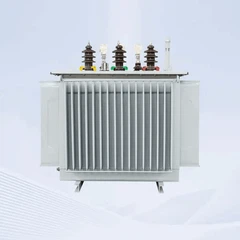
Encapsulated Transformers: The windings are covered in epoxy resin for protection against moisture, dust, and noise.
Non-Encapsulated
Definition: Something that is not enclosed by a distinct capsule or layer.
Examples:
Sensory Nerve Endings: Non-encapsulated nerve endings are free nerve endings that lie freely in the connective tissue without a specialized surrounding structure.
Tumors: A non-encapsulated tumor lacks this distinct capsule, making it less defined from the surrounding healthy tissue.
Non-Encapsulated Transformers: These have visible, bare windings that are exposed to dust and moisture.
Send Inquiry