







Can a failed pole mounted transformer be repaired?
Jun 09, 2025
Leave a message
A pole-mounted transformer is a critical component in the electrical distribution system, commonly found on utility poles in residential and rural areas. These transformers step down the high-voltage electricity from the power grid to a lower, safer voltage for household and commercial use. However, like any electrical equipment, pole-mounted transformers can fail. The question then arises: Can a failed pole-mounted transformer be repaired?
Understanding Pole-Mounted Transformers
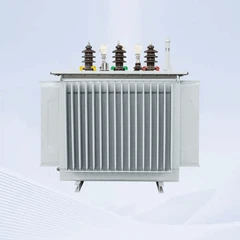
Before delving into the repair possibilities, it's essential to understand what a pole-mounted transformer is and how it works. Pole-mounted transformers are typically oil-filled and consist of a core, windings, and an enclosure. The core is made of laminated steel sheets, which reduce energy losses due to eddy currents. The windings are copper or aluminum coils that transfer electrical energy through electromagnetic induction. The enclosure protects the internal components from environmental factors and contains the insulating oil.
There are different types and sizes of pole-mounted transformers available in the market. For instance, the Electric Pole Mounted Transformer is a common type used for general distribution purposes. Another example is the 37.5 KVA 120/240V Pole Mount Transformer, which is designed to handle a specific power capacity and voltage output. The 25 Kva Pole Mounted Distribution Transformer is also widely used in areas with relatively lower power demands.
Common Causes of Pole-Mounted Transformer Failure
Several factors can lead to the failure of a pole-mounted transformer. One of the primary causes is overloading. When a transformer is subjected to a load that exceeds its rated capacity for an extended period, it can overheat, leading to insulation breakdown and eventual failure. This can happen during peak demand periods or when there are sudden increases in power consumption in the area served by the transformer.
Another common cause is lightning strikes. Lightning can induce high-voltage surges in the electrical system, which can damage the transformer's insulation and windings. Even with the use of lightning protection devices, a direct or nearby lightning strike can still cause significant damage.
Age is also a significant factor. Over time, the insulation materials in the transformer degrade due to factors such as heat, moisture, and chemical reactions. This can lead to reduced insulation resistance and increased leakage currents, ultimately resulting in failure.
Mechanical damage, such as from a vehicle hitting the utility pole or severe weather conditions like strong winds or ice storms, can also cause a pole-mounted transformer to fail. Physical damage to the enclosure or the internal components can disrupt the normal operation of the transformer.
Assessing the Repairability of a Failed Transformer
When a pole-mounted transformer fails, the first step is to conduct a thorough assessment to determine if it can be repaired. This involves a combination of visual inspections, electrical tests, and diagnostic procedures.
Visual inspections can reveal obvious signs of damage, such as cracks in the enclosure, leaks of insulating oil, or burnt components. If the damage is limited to the external parts and does not affect the core and windings, there is a higher chance of repair.
Electrical tests, such as insulation resistance testing, winding resistance testing, and turn ratio testing, can provide valuable information about the condition of the internal components. These tests can help identify issues such as short circuits, open circuits, or insulation degradation.
Diagnostic procedures, such as oil analysis, can also be used to assess the condition of the insulating oil. Contaminants, moisture, or breakdown products in the oil can indicate internal problems within the transformer.


Repair Options for Failed Pole-Mounted Transformers
If the assessment determines that the transformer can be repaired, there are several repair options available.
One of the most common repair procedures is replacing the damaged insulation. Insulation breakdown is a frequent cause of transformer failure, and replacing the insulation can restore the transformer's electrical performance. This involves carefully removing the old insulation and installing new insulation materials, following strict safety and quality standards.
Another repair option is replacing the damaged windings. If the windings are short-circuited or have suffered significant damage, they can be rewound. This requires specialized equipment and skilled technicians to ensure that the new windings have the correct specifications and are properly installed.
In some cases, the transformer's enclosure may be damaged, and it may need to be repaired or replaced. This can involve welding, patching, or completely replacing the enclosure to protect the internal components from further damage.
Factors Affecting the Decision to Repair or Replace
While repair is a viable option for some failed pole-mounted transformers, several factors need to be considered when deciding whether to repair or replace the transformer.
Cost is a significant factor. The cost of repair can vary depending on the extent of the damage and the type of repair required. In some cases, the cost of repair may be close to or even exceed the cost of a new transformer. If the repair cost is too high, it may be more economical to replace the transformer.
Time is another important factor. Repairing a transformer can take a significant amount of time, especially if specialized parts need to be ordered or if the repair process is complex. In situations where power needs to be restored quickly, replacing the transformer may be the preferred option.
The age and condition of the transformer also play a role. If the transformer is old and has already experienced multiple failures, it may be more prone to future problems even after repair. In such cases, it may be more prudent to replace the transformer with a new one to ensure long-term reliability.
Benefits of Repairing a Failed Transformer
Despite the factors that may influence the decision to repair or replace, there are several benefits to repairing a failed pole-mounted transformer.
One of the main benefits is cost savings. Repairing a transformer can be significantly cheaper than buying a new one, especially if the damage is relatively minor. This can result in substantial savings for utility companies or other end-users.
Repairing a transformer also helps to reduce waste. Instead of discarding the old transformer and adding to the environmental burden, repairing it extends its useful life and conserves resources.
In addition, repairing a transformer can be a quicker solution in some cases. If the necessary parts and expertise are readily available, the repair process can be completed in a shorter time compared to ordering and installing a new transformer.
Conclusion
In conclusion, a failed pole-mounted transformer can often be repaired, depending on the cause and extent of the damage. A thorough assessment is crucial to determine the repairability of the transformer. While there are several factors to consider when deciding whether to repair or replace, repairing a transformer can offer cost savings, environmental benefits, and a quicker solution in some situations.
As a pole-mounted transformer supplier, we have the expertise and resources to assess, repair, and supply high-quality transformers. If you are facing issues with a failed pole-mounted transformer or are in need of new transformers for your electrical distribution system, we invite you to contact us for further discussion and to explore the best solutions for your needs.
References
- "Electrical Power Distribution System Engineering" by Turan Gonen
- "Transformer Engineering: Design, Technology, and Diagnostics" by G. Deb and G. B. Krein
Send Inquiry