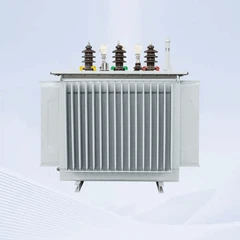
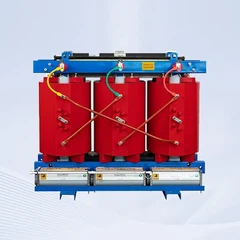

What is Pad Mounted Transformer


Pad mounted transformer is a ground-mounted electric power distribution transformer in a locked steel cabinet mounted on a concrete pad.


Benefits of Pad Mounted Transformer


Safety features
Pad mounted transformers are designed with safety as a priority. Their enclosed structure prevents accidental contact with live parts, significantly reducing the risk of electric shock.


Aesthetic impact
These transformers are known for their low-profile and compact design, which allows them to blend into various environments more seamlessly than other types of transformers.


Reliability and durability
Constructed to withstand harsh environmental conditions, pad mounted transformers boast a robust design, contributing to their. They resist weather elements, vandalism, and wildlife interference, ensuring consistent and reliable power distribution over time.


Ease of installation and maintenance
The ground-level placement of pad mounted transformers simplifies the installation process, requiring only a concrete pad and electrical connections. This accessibility also makes routine maintenance and inspections more straightforward, reducing operational costs and less downtime.


Enhanced security
The lockable enclosures of pad mounted transformers provide an additional layer of security, protecting against unauthorized access and tampering. This is particularly important in areas susceptible to vandalism or where public safety is a concern.

First 1234567 Last

Why Choose Us


Professional Competence
GNEE are professional one-stop solution for steel products of China. Self-designed Corten steel design and rust technology have reached the world average technical level.


Comprehensive Quality Service
Which continuously satisfy different needs of customer around the world in the steel supply chain area. Professional sales team, providing customers with first-class services; strict purchasing and quality inspection team, carefully selecting high-quality raw materials; advanced scientific and technical team to improve production and reduce costs for customers; excellent design and processing team, carefully crafted and refined; intimate shipping logistics team protecting product transportation.


Excellent Service Team
GNEE with Professional team, Quickly response, Short delivery time, Best competitive price, Best service.


Competitive Pricing
We strive to maintain competitive pricing, offering customers audio and video accessories that deliver high value for their investment.


Pad Mounted Transformer


Which electrical parts are inside the Pad Mounted Transformer

High-voltage bushings: These are insulated devices that allow high-voltage connections to be made to the transformer.


Transformer core: This is the central part of the transformer that consists of a laminated iron core designed to provide a path for the magnetic flux.


Windings: The transformer windings are made up of insulated copper conductors that are wound around the transformer core to provide the necessary voltage transformation.


Tap changer: This is an adjustable device that allows the transformer's output voltage to be varied by changing the number of turns in the transformer winding.


Insulation: The transformer is filled with a suitable insulating fluid, such as mineral oil, to provide electrical insulation and cooling.


Protection and control equipment: This may include circuit breakers, fuses, and relays that protect the transformer and the distribution system from overloads and faults.


Low-voltage bushings: These are insulated devices that allow low-voltage connections to be made to the transformer.


What Can You Find Inside A Pad Mounted Transformer

Core: The pad mounted transformer's core is highly made of laminated sheets of magnetic material, such as silicon steel.
It provides a path for the magnetic flux and helps to transfer electrical energy from one circuit to another.


Windings: Pad mounted transformers frequently use both copper and aluminum as conductive materials, and each has advantages and things to keep in mind.


Insulation: Insulation is generally used to separate the windings and the core to prevent electrical arcing and short circuits. The insulation includes a variety of materials, such as paper, enamel, or resin.


Bushings: A pad mounted transformer's bushing creates an electrical connection between the interior components and the outer high-voltage or low-voltage electrical system.
Bushings provide a mechanism to safely move electrical current and voltage into or out of the transformer in addition to providing electrical insulation and mechanical support.


Tap Changers: Tap changers provide the ability to modify the transformer's output voltage to compensate for the input voltage or to meet specific load requirements.

Pad Mounted Transformer

How Do I Get The Pad Transformer Ready For Installation


Step 1. Site Preparation
Make sure the transformer pad has a good foundation. You should provide a stable and flat surface that should consist of concrete or any other appropriate material.
Ensure that the site meets the necessary electrical and safety requirements. Clear the area of any obstacles, debris, or vegetation that may interfere with the installation or access to the pad mounted transformers.


Step 2. Concrete Pad Construction
The construction of a concrete platform for the installation of pad mounted transformers is generally known as concrete pad construction.identify and mark the positions of any subsurface utilities that are already in place, such as communication, water, and gas lines.


Step 3. Electrical Connections
Coordinate with the utility company or electrical contractor to arrange for electrical connections to the pad mounted transformers. This may involve trenching or laying underground cables to connect the transformer to the electrical grid or power source.


Step 4. Obtain Permits and Approvals
Consult with your local authority to see if any permissions are necessary for the installation of the pad mounted transformer. Ensure compliance with all applicable regulations and codes.


Step 5. Transformer Delivery and Inspection
Arrange for the delivery of the pad mounted transformer to the installation site. Verify that all necessary components, accessories, and documentation are included.


Step 6. Lift and Positioning
Once the transformer is correctly positioned, securely anchor it to the concrete pad using approved methods, such as bolts or anchors. Next is to install the necessary warnings, high voltage indicators, and emergency contact information in the vicinity of the pad mounted transformer.


Step 7. Documentation and Record-Keeping
Maintain accurate records of the installation process, including any permits, inspections, and test results. Keep detailed documentation for future reference and compliance purposes.


Essential Tips for Staying Safe Around Pad-Mounted Transformers
 

Maintain Distance: When possible, maintain a safe distance from pad-mounted transformers. A general guideline is to stay at least 10 feet away from the equipment to avoid exposure to any hazards. The green box is safely grounded, so it's safe to occasionally mow and trim vegetation that accumulates around the base of the box.


No Unauthorized Access: Pad-mounted transformers should only be accessed by trained and authorized personnel. Never attempt to open or tamper with the equipment unless you are qualified to do so.


Report an Open or Unlocked Unit: If you come across a transformer with an open, damaged, or absent lock, please contact Tampa Electric at the number listed below. Make sure to prevent anyone else from approaching the transformer until a qualified technician arrives.
Don't Paint or Cover. The green paint helps electrical workers identify the transformer as having live voltage inside and to use care.the paint could obscure the warning sign and potentially put others at risk.


Keep Clear of Spills: If you notice any oil leaks around a pad-mounted transformer, keep a safe distance and report it. Transformer oil is flammable and can pose a fire hazard.


Avoid Water Contact: Never allow water to come into contact with pad-mounted transformers. Periodically inspect and adjust your lawn sprinklers. Water conducts electricity and can lead to dangerous electrical shocks.


Stay Clear During Maintenance: If you see maintenance personnel working on a pad-mounted transformer, respect their workspace and maintain a safe distance.


Never Dig or Plant Nearby: Underground wires from a transformer could stretch in any direction. Hitting one of these wires with a shovel could cause electrocution.


Pad Mounted Transformer


Pad mount transformer safety

Pad-mounted transformers, those big green utility boxes commonly seen around town, serve the purpose of lowering high voltage to standard household voltage used to power electronics, appliances and lighting. These transformers are not protected in the way overhead lines and substations are. Though they may appear safe to use as workbenches and climbing obstacles, electrical equipment can still pose a risk to anyone who may come in contact with it. Members should always use caution and keep a safe distance.
Berkeley Electric crews also need safe access for repairs and maintenance. Barriers, such as landscaping and fencing, should be kept clear of electrical equipment. While it may be tempting to “camouflage” transformers with landscaping, please remember cooperative crews need at least 10-feet of clearance at the opening of a pad-mounted transformer and four-feet at the rear and sides of the housing. The distance allows crews to safely use tools required for working with energized equipment. It also ensures crews have the ability to move about safely should problems arise.
In many newer subdivisions and residential developments pad-mounted transformers are more common – and in many cases are located on consumer property. These transformers are connected to primary high voltage lines, and secondary lines can extend from the transform in several directions underground. Remember this before planting shrubs or trees, setting fence posts, installing sprinkler systems or digging anywhere near a transformer.


Where Are Pad-Mounted Transformers Used

Residential Areas: Pad-mounted transformers are often used in residential neighborhoods to step down high-voltage electricity from the utility grid to a lower voltage suitable for residential use. They are typically installed on concrete pads or enclosures near the street or in the backyard.


Commercial and Industrial Areas: Pad-mounted transformers are also prevalent in commercial and industrial areas where they provide power distribution for buildings, factories, shopping centers, and other establishments. These transformers help supply electricity to the various electrical loads within these areas.


Rural and Remote Areas: In rural and remote areas, pad-mounted transformers are commonly employed to distribute electricity to scattered homes, farms, and small communities. They play a vital role in extending the electrical grid to areas where overhead power lines may not be feasible or cost-effective.


Underground Power Distribution: Pad-mounted transformers are a key component of underground power distribution systems. Instead of using overhead power lines, these systems rely on buried cables to transport electricity. Pad-mounted transformers are strategically placed along the underground distribution network to step down voltage and provide power to consumers.

Pad Mounted Transformer


Pad mounted transformer maintenance
 
 
Inspection

Conduct regular visual inspections of the transformer and its surroundings, looking for signs of damage or wear. Check for signs of oil leaks or damage to the transformer’s exterior and ensure that the transformer is free of debris.

 
Oil level check

Check the oil level in the transformer and top it up if necessary. Make sure to use the correct type of oil for the transformer

 
Cleaning

Keep the transformer clean and free of dirt and debris. Use a soft cloth and mild detergent to clean the exterior of the transformer.

 
Electrical testing

Conduct regular electrical tests on the transformer to ensure that it is functioning correctly. These tests should include insulation resistance, turns ratio, winding resistance, and dielectric strength tests, as well as load and no-load loss tests.

 
Replacement of worn or damaged parts

If any parts of the transformer are found to be worn or damaged during inspections or testing, they should be replaced promptly to prevent further damage.

 
Infrared testing

Using an infrared camera to detect hot spots on the surface of transformers while they are under load. Hot spots can indicate potential issues like loose connections, damaged windings, or insulation degradation.


Our Factory


The products have passed SGS, intertek, CCC, CE and other international certifications. Noise, easy installation, energy saving and emission reduction, long service life, etc. The product production cycle is short, easy to install, and fast delivery. At present, the company has more factories.Our team is composed of very professional engineers. We strive to deliver you on time within the budget Power equipment, and provide excellent product quality. Provide you with the ultimate experience.


202404181604086634e.jpg (1600×398)


Certificate 


20240418141329319fb.jpg (921×500)


FAQ
 

Q: How Close Can A Pad-Mounted Transformer Be To A House?

A: PadMounted Transformers can be located as close as a few feet from a house, but the closer the transformer is to your house, the worse it will affect your electric system.
If you’re within 50 feet of a pad-mounted transformer, you might need to do some electrical work before you submit your application for approval.

Q: Is It Safe To Sit Next To A Pad-Mounted Transformer?

A: Yes. It is safe to sit next to a pad-mounted transformer. Pad Mounted Transformers are designed with safety in mind.
They are also mounted safely to minimize the risk of accidental contact by people or animals.

Q: Why Are PadMounted Transformers Painted Green?

A: It is not unusual for electrical equipment to be painted green for safety reasons.
When people are working on these types of electrical equipment, they are shocked by the live voltage inside the unit.
The green paint serves as a warning to the user that there is live voltage inside.

Q: What are the requirements for a pad mounted transformer?

A: 20 feet of vertical clearance is required above all equipment. 5 feet on all sides and 9 feet by 9 feet on operating sides of equipment is the space requirement from pad-mounted equipment.

Q: What is the safe distance from a pad mounted transformer?

A: 10 feet
Maintain Distance: When possible, maintain a safe distance from pad-mounted transformers. A general guideline is to stay at least 10 feet away from the equipment to avoid exposure to any hazards.

Q: How many houses can a pad mounted transformer handle?

A: This single phase pad mount transformer is found in residential or small commercial areas. They convert electricity from 7200 volts to 120/240 volts. A typical transformer this size feeds 10-15 homes or one or more small commercial businesses.

Q: Can pad-mounted transformers be moved?

A: When the use of the crane is restricted, the pad-mounted transformer can be moved using a rolling device. During the movement, the transformer should be kept in a vertical state and moved horizontally.

Q: Is it safe to sit on a pad-mounted transformer?

A: While they are built for safety, conditions that might make a transformer unsafe can never completely be ruled out. It's better to keep your distance and teach your kids to do the same. Look for and follow warning labels on pad-mounted transformers and all other electrical equipment.

Q: Are pad-mounted transformers safe to touch?

A: Never touch, climb or play on a pad-mounted transformer. Never put fingers, sticks or other objects through cracks in the transformer.

Q: What is the purpose of a pad-mounted transformer?

A: Padmount transformers are used with underground electric power distribution lines at service drops to step down the primary voltage on the line to the lower secondary voltage supplied to utility customers. A single transformer may serve one large building or many homes.

Q: Where do you put a pad-mounted transformer?

A: Padmounted transformers are usually green/yellow rectangular metal boxes/cabinets located next to sidewalks or roadways. Most units are about 0.6 m (2 feet) high and have one door. A few units are larger and have two sets of doors. Buried beneath and connecting to the transformer are live electrical cables.

Q: What is the minimum clearance around pad-mounted transformers?

A: The minimum working clearance around pad mount transformers is 8 feet to the left, 10 feet in front, and 3 feet behind and to the right side of the pad mount transformer. If metering is inside the pad mount transformer, the minimum clearance to the right side is 5 feet. See the above diagram.

Q: How far off a wall should a transformer be?

A: Non-ventilated Transformers should be a minimum of 3 inches from any obstruction on all sides and top. Newer Energy Efficient (EX Type) require . 5" from rear and sides to any obstruction. Epoxy resin filled Transformers may be mounted directly on the wall, but require 12 inches on both sides, top and bottom.

Q: How many volts is a pad-mounted transformer?

A: Pad-mounted transformers come in all sizes and capacities, but there are certain things you should immediately know whenever you see them: There is both high voltage (up to 23,000 volts) and secondary voltage (120/240/480 volts) inside. They are metal. All the electricity is coming and going underground.

Q: What is used to connect cables to a pad mounted transformer?

A: A transformer can supply power to a large building or many homes. Pad transformers are rated between 15 and 5000 KVA and usually include built-in fuses and switches. The main power cable can be connected to the elbow connector.

Q: What is the difference between pad mounted and ground mounted transformers?

A: Pad-mounted transformers, also known as ground transformers, function as transformers for underground power lines. Just like their overhead counterparts, they lower the voltage of electricity to appropriate levels for use in structures.

Q: How many houses can a pad-mounted transformer handle?

A: This single phase pad mount transformer is found in residential or small commercial areas. They convert electricity from 7200 volts to 120/240 volts. A typical transformer this size feeds 10-15 homes or one or more small commercial businesses.

Q: What are pad-mounted transformers made of?

A: Residential pad-mounted transformers are ground-mounted transformers that are meant to supply electricity to many homes. Furthermore, they are distribution transformers locked inside a steel cabinet installed on a concrete slab.

Q: What kind of oil is used in pad-mounted transformers?

A: Either mineral oil or natural ester fluid can be used. Mineral oil is the standard for many clients and is good for most applications. We can also use natural ester fluid, which is often derived from vegetable oils and biodegradable — making it an excellent option for those wanting to reduce their environmental impact.

Q: What color are pad-mounted transformers?

A: There are five different IEEE specifications for the transformers and enclosures market. The colors used most frequently for this segment are ANSI 70 Gray (high gloss) and Pad Mount Green (semi-gloss).

Henan GNEE Electric Co., Ltd. is well-known as one of the leading pad mounted transformer manufacturers and suppliers in China. Please feel free to wholesale cheap pad mounted transformer in stock here from our factory. Quality products and low price are available.

Oil Immersed Amorphous Alloy Distribution Transformer, Amorphous Core Transformer, Single Phase Transformer

Send Inquiry