







What is Distribution Transformer
A distribution transformer is a type of electrical transformer that reduces the voltage of electricity from the distribution lines to a level suitable for use in homes, businesses, and other end-user facilities. It acts as the final step in the voltage reduction process before electricity reaches consumers.These distribution transformer are vital for converting high-voltage electricity from transmission lines into lower voltages suitable for end-users, including residential, commercial, and industrial facilities.
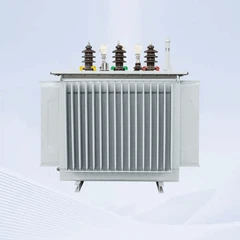
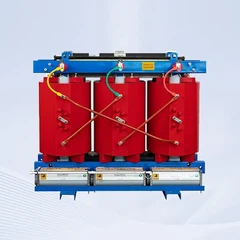
GNEE EC offers both liquid-immersed transformers and dry-type transformers that are manufactured in accordance with the most demanding international standards and industry demand.
Distribution transformers are electrostatic devices responsible for distributing electrical energy to homes, businesses, and end-users. Typically, the primary voltage of these transformers is less than 35 kV. They primarily function as step-down transformers, adapting grid-level voltages to levels appropriate for local consumption. Voltage standards for distribution transformers vary across different markets. For instance, common distribution transformer voltages in the American market include 7.2 kV, 13.8 kV, 14.4 kV, 24.94 kV, and 34.5 kV. In Europe and Austrilia, typical distribution network voltages are 3.3 kV, 6.6 kV, 11 kV, and 33 kV.
As one of the world leaders in distribution transformers, GNEE EC offers the widest portfolio of distribution transformer products that are designed for reliability, durability, and efficiency required in utility, industrial, and commercial applications.
-
![Buried Transformer]() Buried Transformer
Buried TransformerThe buried transformer is a distribution transformer or combination transformer that can be installed in the pit, which can realize the compact combined distribution facilities such as transformers,
-
![20kV Distribution Transformer]() 20kV Distribution Transformer
20kV Distribution Transformer20kV Distribution Transformer1.Type: outdoor2.Ambient temperature:max.temperature:+40℃;min.temperature:-30℃3.Altitude:1000m)4.Relative humidity:5.Installation place: without corrosive gas and
-
![10KV Distribution Transformer]() 10KV Distribution Transformer
10KV Distribution Transformer10KV Distribution Transformer1.Type: outdoor2.Ambient temperature:max.temperature:+40℃;min.temperature:-30℃3.Altitude:1000m)4.Relative humidity:5.Installation place: without corrosive gas and
-
![Hermetically Sealed Transformer]() Hermetically Sealed Transformer
Hermetically Sealed TransformerHermetically sealed transformers are mainly divided into the following types:By model: S11 series, S9 series, S20/S22 seriesBy structure: corrugated fuel tank type, nitrogen filled sealed type, air
-
![330kV And Below Rectifier Transformer]() 330kV And Below Rectifier Transformer
330kV And Below Rectifier TransformerA rectifier transformer is a transformer used as a power source for rectifier devices, with its primary side connected to the AC power grid, known as the grid side; The secondary side is connected to
-
![Dry-Type DistributionTransformers]() Dry-Type DistributionTransformers
Dry-Type DistributionTransformersTransformers are invaluable devices that facilitate the efficient utilization of electricity by converting high voltage power from electric pylons into lower voltage levels suitable for safe use.
-
![1250kVA 11kv Oil Filled Distribution Transformer]() 1250kVA 11kv Oil Filled Distribution Transformer
1250kVA 11kv Oil Filled Distribution TransformerModel: S13-M Oil Immersed Distribution Transformer. Capacity: 1250kVA | Voltage: 11kV | Frequency: 50/60Hz. Type: Oil Filled Distribution Transformers (Mineral Oil-Insulated).
-
![315kVA Oil Immersed Distribution Transformer]() 315kVA Oil Immersed Distribution Transformer
315kVA Oil Immersed Distribution TransformerModel: S22. Capacity: 315kVA. Voltage: 35kV/10kV (customizable). Frequency: 50/60Hz. Type: Oil Immersed Type Transformer. Certifications: ISO 9001, SGS, CE. Key Advantages:. As a high-performance
-
![11kv To 415v Step Up Power Distribution Transformer]() 11kv To 415v Step Up Power Distribution Transformer
11kv To 415v Step Up Power Distribution TransformerModel: SCB 11-18 | Capacity: Customizable (18-2500kVA) | Voltage: 11kV to 415V. Frequency: 50/60Hz | Type: Dry Type Step Up Transformer | Certifications: ISO, SGS, CE. This Step Up Power
-
![S20 200kVA Oil Immersed Distribution Transformers]() S20 200kVA Oil Immersed Distribution Transformers
S20 200kVA Oil Immersed Distribution TransformersModel: S20. Capacity: 200kVA. Voltage: Standard Customization (e.g., 11kV/0.4kV). Frequency: 50Hz/60Hz. Type: Oil Immersed Distribution Transformer, utilizing mineral oil for insulation &
-
![GGD 380kVA Low-voltage Distribution Cabinet]() GGD 380kVA Low-voltage Distribution Cabinet
GGD 380kVA Low-voltage Distribution CabinetModel: GGD. Capacity: 380kVA. Voltage: AC 380V (Low-voltage distribution cabinet). Frequency: 50/60Hz. Type: Low-voltage Distribution Cabinet (distribution cabinet). Certifications: ISO, SGS, CE.
-
![S11-5000kVA/35kv Energy Efficient Distribution Transformers]() S11-5000kVA/35kv Energy Efficient Distribution Transformers
S11-5000kVA/35kv Energy Efficient Distribution TransformersModel and Specifications: S11-5000kVA/35kV, rated capacity of 5000kVA, primary voltage of 35kV, frequency of 50/60Hz, designed for high-voltage power distribution applications.. Type: Oil Immersed


