

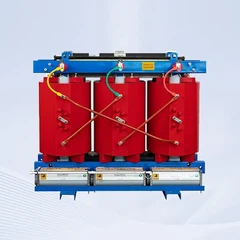
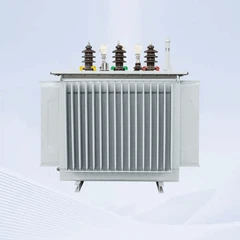




Can a step - down power transformer be customized?
Sep 18, 2025
Leave a message
Can a step - down power transformer be customized?


As a supplier of step - down power transformers, I often get asked the question: "Can a step - down power transformer be customized?" The answer is a resounding yes. In this blog post, I'll delve into the details of customizing step - down power transformers, including why customization is necessary, the process involved, and the benefits it offers.
Why Customization is Necessary
The standard step - down power transformers available in the market are designed to meet general requirements. However, different industries and applications have unique needs that cannot be fulfilled by off - the - shelf products. For example, in the manufacturing sector, some production lines may require a very specific output voltage and current to ensure the stable operation of precision equipment. A standard transformer may not be able to provide the exact electrical parameters needed, which can lead to inefficiencies or even damage to the equipment.
In the renewable energy field, such as solar power plants, the power generated by solar panels needs to be stepped down to a suitable voltage for grid connection or local use. The electrical characteristics of solar power vary depending on factors like sunlight intensity and panel configuration. Therefore, customized step - down transformers can be designed to adapt to these variable conditions, improving the overall efficiency of the power system.
The Customization Process
- Requirement Gathering
The first step in customizing a step - down power transformer is to understand the customer's specific requirements. This involves detailed communication with the customer to determine factors such as the input and output voltage levels, power capacity, frequency, insulation class, cooling method, and any special environmental conditions the transformer will operate in. For instance, if the transformer is to be used in a high - humidity or corrosive environment, special insulation materials and protective coatings need to be considered. - Design and Engineering
Once the requirements are clear, our team of experienced engineers will start the design process. They use advanced design software and engineering principles to create a transformer that meets all the specified criteria. The design includes determining the core material, winding configuration, and the overall physical dimensions of the transformer. For example, if a high - power transformer is required, a larger core and thicker windings may be necessary to handle the increased current without overheating. - Prototyping and Testing
After the design is finalized, a prototype of the customized step - down power transformer is built. This prototype is then subjected to a series of rigorous tests to ensure it meets the performance standards. These tests may include electrical performance tests, such as measuring the voltage regulation, efficiency, and short - circuit impedance, as well as environmental tests, such as temperature, humidity, and vibration tests. If any issues are detected during the testing phase, the design is adjusted accordingly until the transformer meets all the requirements. - Production and Delivery
Once the prototype passes all the tests, mass production of the customized transformer begins. Our state - of - the - art manufacturing facilities are equipped with advanced machinery and quality control systems to ensure the consistent quality of each transformer. After production, the transformers are carefully packaged and shipped to the customer's location in a timely manner.
Benefits of Customized Step - Down Power Transformers
- Optimized Performance
Customized transformers are designed to meet the exact requirements of the application, which means they can provide optimal performance. They can deliver the precise voltage and current needed, reducing energy losses and improving the efficiency of the overall electrical system. For example, a customized transformer for a data center can be designed to provide a stable power supply with low harmonic distortion, which is crucial for the reliable operation of sensitive IT equipment. - Enhanced Reliability
Since customized transformers are tailored to the specific operating conditions, they are more likely to have a longer service life and higher reliability. They can better withstand the environmental challenges and electrical stresses associated with the particular application. For instance, a transformer designed for use in a mining operation can be built with robust construction and enhanced protection against dust, moisture, and mechanical vibrations. - Cost - Effectiveness in the Long Run
Although the initial cost of a customized step - down power transformer may be higher than that of a standard transformer, it can result in long - term cost savings. By improving the efficiency of the electrical system and reducing the risk of equipment failure, customized transformers can lower the energy consumption and maintenance costs over their service life.
Our Product Range
In addition to customized step - down power transformers, we also offer a wide range of standard products. You can explore our Power Transformers section to learn more about our general offerings. We also have the Intelligent Electronic Servo Transformer, which combines advanced technology with high - performance features. And for those with high - power requirements, our 315kVA All Copper High Voltage Power Transformer is a great option.
Contact Us for Customization
If you have specific requirements for a step - down power transformer and are interested in customization, we encourage you to contact us. Our team of experts is ready to assist you in the customization process and provide you with the best solution for your needs. Whether you are in the industrial, commercial, or renewable energy sector, we can design and manufacture a transformer that meets your exact specifications.
References
- Electric Power Systems: Analysis and Control, by Marcelo S. de Carvalho
- Transformer Engineering: Design, Technology, and Diagnostics, by George Karady and J. C. Das
Send Inquiry