





How to calibrate the temperature indicator of a distribution transformer?
Jun 12, 2025
Leave a message
Hey there! As a supplier of distribution transformers, I know how crucial it is to keep these bad boys running smoothly. One key aspect that often gets overlooked is calibrating the temperature indicator of a distribution transformer. Today, I'm gonna walk you through the process step by step.


First off, why is calibrating the temperature indicator so important? Well, distribution transformers generate a lot of heat during operation. If the temperature gets too high, it can lead to all sorts of problems, like insulation damage, reduced lifespan, and even complete failure. The temperature indicator is our eyes and ears when it comes to monitoring the transformer's temperature. By calibrating it correctly, we can ensure accurate readings and take timely action if things start to heat up.
Let's start with the tools you'll need. You'll need a reliable thermometer, preferably one that's been calibrated itself. A multimeter can also come in handy for checking electrical connections and measuring resistance. And of course, safety gear is a must. Gloves, safety glasses, and a hard hat will protect you from any potential hazards.
Before you start the calibration process, make sure the transformer is shut down and de - energized. This is a non - negotiable safety step. You don't want to be messing around with live electrical equipment. Once it's safe to proceed, locate the temperature indicator on the transformer. It's usually mounted on the side or top of the unit.
The first thing you'll want to do is check the physical condition of the indicator. Look for any signs of damage, like cracks, loose connections, or corrosion. If you find any issues, you might need to replace the indicator before you can calibrate it.
Now, let's get to the actual calibration. Use your thermometer to measure the actual temperature of the transformer oil or winding. Make sure you place the thermometer in a location that's representative of the overall temperature. For example, if you're measuring the oil temperature, insert the thermometer into the oil well.
Compare the reading from your thermometer with the reading on the temperature indicator. If there's a significant difference, you'll need to adjust the indicator. Most temperature indicators have a calibration screw or potentiometer that you can turn to adjust the reading.
Turn the screw or potentiometer slowly, and keep an eye on the indicator reading. Try to get it as close as possible to the actual temperature measured by your thermometer. It might take a few tries to get it just right, so be patient.
Once you think you've got the calibration right, double - check the reading. Measure the temperature again with your thermometer and compare it to the indicator reading. If there's still a small difference, you can make further adjustments.
After you've completed the calibration, it's a good idea to record the results. Note down the actual temperature, the indicator reading before calibration, and the reading after calibration. This record will come in handy for future maintenance and troubleshooting.
Now, let's talk about some common issues you might encounter during the calibration process. One common problem is electrical interference. If there are other electrical devices nearby, they can cause the temperature indicator to give inaccurate readings. Try to isolate the transformer from other electrical equipment as much as possible during the calibration.
Another issue is a faulty sensor. If the temperature sensor inside the indicator is bad, no amount of calibration will fix the problem. In this case, you'll need to replace the sensor.
Let me also mention some of the products we offer as a distribution transformer supplier. We have the High Voltage 1000kva 33kv Step Down Transmission And Distribution Transformer. This transformer is great for high - voltage applications, and it comes with reliable temperature indicators that can be calibrated easily.
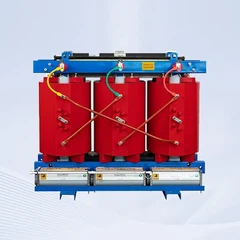
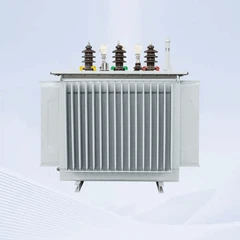
We also have the S20 200kVA Oil Immersed Distribution Transformers. These oil - immersed transformers are known for their durability and efficiency. And if you're looking for a dry - type option, our Dry Type Distribution Transformer is a fantastic choice.
Calibrating the temperature indicator of a distribution transformer is not a super - complicated process, but it does require attention to detail and a bit of patience. By following these steps, you can ensure that your transformer's temperature is accurately monitored, which will help prevent costly breakdowns and keep your electrical system running smoothly.
If you're in the market for a new distribution transformer or need help with calibration or maintenance, don't hesitate to reach out. We're here to assist you every step of the way. Whether you're a small business owner or part of a large industrial operation, we've got the products and expertise to meet your needs.
References
- Electrical Power Transformer Engineering by Turan Gonen
- Handbook of Transformer Technology: Design and Application by George E. McPherson, Jr. and Robert D. Laramore
Send Inquiry