

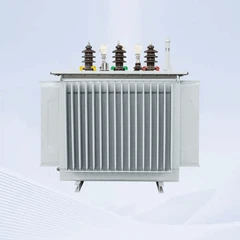




How to monitor the oil quality in an oil - immersed large power transformer?
Sep 01, 2025
Leave a message
Hey there! As a supplier of large power transformers, I know how crucial it is to monitor the oil quality in oil-immersed large power transformers. The oil in these transformers plays a bunch of key roles, like insulation and cooling. So, keeping an eye on its quality is super important for the transformer's performance and lifespan. In this blog, I'll share some practical ways to monitor oil quality in large power transformers.
Why Monitor Oil Quality?
Before we jump into the monitoring methods, let's quickly talk about why it's so important. The oil in an oil-immersed large power transformer acts as an insulator, preventing electrical breakdown between the transformer's windings. It also helps dissipate heat generated during operation, keeping the transformer cool. Over time, though, the oil can degrade due to factors like high temperatures, electrical stress, and the presence of moisture and contaminants.
When the oil quality deteriorates, it can lead to reduced insulation performance, increased risk of electrical faults, and even transformer failure. By monitoring the oil quality regularly, we can detect early signs of degradation and take corrective actions to prevent costly breakdowns and downtime.
Visual Inspection
One of the simplest and most basic ways to monitor oil quality is through visual inspection. This involves looking at the oil's color, clarity, and the presence of any visible contaminants.
- Color: Fresh transformer oil is usually light yellow and transparent. As the oil ages and degrades, it can turn darker, ranging from amber to brown or even black. A significant change in color can indicate the presence of oxidation by-products, dissolved metals, or other contaminants.
- Clarity: The oil should be clear and free of any visible particles or sediment. If you notice a cloudy appearance or the presence of floating particles, it could be a sign of contamination or the breakdown of the oil's additives.
- Contaminants: Look for any signs of water, sludge, or other foreign substances in the oil. Water can reduce the oil's insulation properties and promote the growth of bacteria, while sludge can clog the transformer's cooling channels and reduce its efficiency.
Visual inspection is a quick and easy way to get a general idea of the oil's condition. However, it's not very accurate and can't detect all types of contaminants or degradation. So, it should be used in conjunction with other monitoring methods.
Dissolved Gas Analysis (DGA)
Dissolved Gas Analysis (DGA) is one of the most widely used methods for monitoring oil quality in power transformers. It involves analyzing the gases dissolved in the transformer oil to detect the presence of any abnormal conditions or faults.
When a transformer experiences an electrical or thermal fault, the oil and insulation materials can break down, releasing various gases. By analyzing the types and concentrations of these gases, we can identify the type and severity of the fault.
- Common Gases: The most common gases detected in DGA include hydrogen (H₂), methane (CH₄), ethane (C₂H₆), ethylene (C₂H₄), acetylene (C₂H₂), carbon monoxide (CO), and carbon dioxide (CO₂). Each gas is associated with a specific type of fault or condition. For example, hydrogen and acetylene are often associated with arcing or sparking, while carbon monoxide and carbon dioxide can indicate overheating or the breakdown of the insulation materials.
- Analysis Techniques: There are several techniques for performing DGA, including gas chromatography, infrared spectroscopy, and electrochemical sensors. Gas chromatography is the most accurate and widely used method, but it's also the most expensive and time-consuming. Infrared spectroscopy and electrochemical sensors are faster and more cost-effective, but they may not be as accurate.
DGA is a powerful tool for detecting early signs of transformer faults and can help prevent catastrophic failures. It's recommended to perform DGA regularly, especially on older transformers or those operating under stressful conditions.
Moisture Content Analysis
Moisture is one of the most common contaminants in transformer oil and can have a significant impact on its insulation properties. Even small amounts of moisture can reduce the oil's dielectric strength and increase the risk of electrical breakdown.


There are several methods for measuring the moisture content in transformer oil, including:
- Karl Fischer Titration: This is the most accurate and widely used method for measuring moisture content. It involves reacting the water in the oil with a reagent containing iodine and sulfur dioxide, and then measuring the amount of iodine consumed. Karl Fischer titration can detect moisture levels as low as a few parts per million (ppm).
- Capacitance Moisture Sensors: These sensors measure the moisture content in the oil by detecting changes in the oil's capacitance. They're fast, easy to use, and can provide continuous monitoring of the moisture content. However, they're not as accurate as Karl Fischer titration and may require calibration over time.
It's important to keep the moisture content in transformer oil below a certain level to ensure its proper insulation performance. The recommended moisture content for transformer oil is typically less than 20 ppm for new oil and less than 30 ppm for in-service oil.
Dielectric Strength Testing
Dielectric strength testing is another important method for monitoring oil quality. It measures the oil's ability to withstand electrical stress without breaking down.
During a dielectric strength test, a high voltage is applied to the oil sample between two electrodes, and the voltage at which the oil breaks down is recorded. The dielectric strength of the oil is then calculated based on the breakdown voltage and the distance between the electrodes.
A low dielectric strength can indicate the presence of contaminants, moisture, or degradation of the oil's insulation properties. If the dielectric strength falls below the recommended level, it may be necessary to replace the oil or take other corrective actions.
Furfurals Analysis
Furfurals are organic compounds that are produced when the transformer's cellulose insulation materials break down due to heat or moisture. By analyzing the concentration of furfurals in the transformer oil, we can estimate the degree of aging and degradation of the insulation.
Furfurals analysis is a relatively new method for monitoring oil quality, but it's becoming increasingly popular due to its ability to provide valuable information about the condition of the transformer's insulation. It's recommended to perform furfurals analysis regularly, especially on older transformers or those operating under stressful conditions.
Online Monitoring Systems
In addition to the traditional offline monitoring methods, there are also several online monitoring systems available for monitoring oil quality in power transformers. These systems use sensors and advanced analytics to continuously monitor the oil's condition in real-time and provide early warnings of potential problems.
Online monitoring systems can measure a variety of parameters, including dissolved gases, moisture content, temperature, and dielectric strength. They can also provide remote access to the monitoring data, allowing operators to monitor the transformer's condition from anywhere in the world.
The advantages of online monitoring systems include:
- Early Detection: Online monitoring systems can detect early signs of degradation or faults before they cause significant damage to the transformer. This allows operators to take proactive measures to prevent breakdowns and downtime.
- Continuous Monitoring: Unlike offline monitoring methods, which are typically performed at regular intervals, online monitoring systems provide continuous monitoring of the oil's condition. This allows operators to detect any changes in the oil's properties in real-time and take immediate action if necessary.
- Remote Access: Online monitoring systems can provide remote access to the monitoring data, allowing operators to monitor the transformer's condition from anywhere in the world. This is especially useful for large power grids or remote locations.
Conclusion
Monitoring the oil quality in oil-immersed large power transformers is essential for ensuring their reliable operation and longevity. By using a combination of visual inspection, dissolved gas analysis, moisture content analysis, dielectric strength testing, furfurals analysis, and online monitoring systems, we can detect early signs of degradation and take corrective actions to prevent costly breakdowns and downtime.
As a supplier of large power transformers, we understand the importance of oil quality monitoring and offer a range of products and services to help our customers keep their transformers in top condition. If you're interested in learning more about our products or services, or if you have any questions about oil quality monitoring, please don't hesitate to contact us for a consultation. We'd be happy to help you find the best solution for your needs.
References
- IEEE Guide for the Interpretation of Gases Generated in Oil-Immersed Transformers (IEEE C57.104)
- ASTM D3612 - Standard Test Methods for Analysis of Gases Dissolved in Electrical Insulating Oil by Gas Chromatography
- ASTM D1533 - Standard Test Method for Water in Insulating Liquids by Coulometric Karl Fischer Titration
- ASTM D877 - Standard Test Method for Dielectric Breakdown Voltage of Insulating Liquids Using Disk Electrodes
Send Inquiry