





How to monitor the operation of a 75 kva dry type transformer?
Jun 26, 2025
Leave a message
Monitoring the operation of a 75 kVA dry type transformer is crucial to ensure its reliability, safety, and efficiency. As a supplier of 75 kVA dry type transformers, I understand the significance of proper monitoring and would like to share some valuable insights on this topic.
1. Understanding the Basics of a 75 kVA Dry Type Transformer
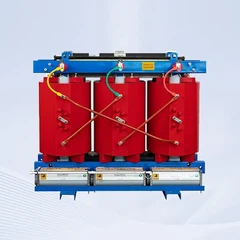
Before delving into the monitoring techniques, it's essential to have a basic understanding of what a 75 kVA dry type transformer is. A dry type transformer uses air as the cooling medium instead of oil, which makes it safer and more environmentally friendly, especially in indoor or sensitive locations. The 75 kVA rating indicates the transformer's power capacity, meaning it can handle a certain amount of electrical load.
2. Visual Inspection
Visual inspection is the simplest yet most fundamental method of monitoring a 75 kVA dry type transformer. Regularly check the transformer for any visible signs of damage, such as cracks in the insulation, loose connections, or overheating. Look for discoloration on the surface of the transformer, which could indicate excessive heat. Inspect the ventilation openings to ensure they are not blocked, as proper ventilation is crucial for cooling the transformer.
3. Temperature Monitoring
Temperature is one of the most critical parameters to monitor in a dry type transformer. Excessive temperature can lead to insulation degradation, reduced lifespan, and even catastrophic failure. There are several ways to monitor the temperature of a 75 kVA dry type transformer:
- Thermocouples or RTDs: These sensors can be installed directly on the transformer windings or core to measure the temperature accurately. They are connected to a temperature monitoring device that can provide real - time temperature readings and trigger alarms if the temperature exceeds a predefined limit.
- Infrared Thermography: This non - contact method uses an infrared camera to detect the surface temperature of the transformer. It can quickly identify hot spots that may not be visible during a visual inspection. Infrared thermography is particularly useful for detecting overheating in hard - to - reach areas.
4. Voltage and Current Monitoring
Monitoring the voltage and current levels is essential to ensure that the transformer is operating within its rated capacity. Fluctuations in voltage or current can indicate problems such as overloading, short circuits, or unbalanced loads.
- Power Analyzers: These devices can measure the voltage, current, power factor, and other electrical parameters of the transformer. They can provide detailed information about the electrical performance of the transformer and help identify any issues early on.
- Current Transformers (CTs) and Potential Transformers (PTs): CTs are used to measure the current flowing through the transformer, while PTs are used to measure the voltage. These transformers step down the high - voltage and high - current signals to a level that can be safely measured by a monitoring device.
5. Insulation Resistance Testing
Insulation resistance testing is a crucial part of transformer maintenance. It measures the resistance of the insulation between the windings and the ground or between different windings. A low insulation resistance value can indicate moisture ingress, insulation damage, or contamination. Insulation resistance testing should be performed regularly using a megohmmeter. The test results should be compared with the manufacturer's specifications to determine if the insulation is in good condition.
6. Partial Discharge Monitoring
Partial discharges are small electrical discharges that occur within the insulation of a transformer. They can cause insulation degradation over time and lead to premature failure. Monitoring partial discharges can help detect insulation problems at an early stage. There are several methods for partial discharge monitoring, including electrical and acoustic methods. Electrical methods use sensors to detect the electrical signals generated by partial discharges, while acoustic methods use microphones to detect the sound waves produced by the discharges.
7. Oil Analysis (if applicable)
Although dry type transformers do not use oil as a cooling medium, some models may have oil - filled components such as bushings. In such cases, oil analysis can be used to monitor the condition of the oil and detect any potential problems. Oil analysis can detect contaminants, moisture, and degradation products in the oil, which can indicate problems with the insulation or other components.
8. Monitoring the Load
Monitoring the load on the 75 kVA dry type transformer is essential to ensure that it is not overloaded. Overloading can cause excessive heat, insulation damage, and reduced lifespan. Use a load monitoring device to track the amount of power being drawn from the transformer. Analyze the load profile over time to identify any trends or peak loads. If the load consistently approaches or exceeds the rated capacity of the transformer, consider upgrading to a larger transformer or redistributing the load.
9. Monitoring the Cooling System
As mentioned earlier, proper cooling is crucial for the operation of a dry type transformer. Monitor the cooling system, including fans and blowers, to ensure they are functioning correctly. Check the motor of the fans for proper operation and lubrication. Monitor the air flow rate to ensure that it is sufficient to cool the transformer effectively.
10. Data Logging and Remote Monitoring
In today's digital age, data logging and remote monitoring systems have become increasingly popular for transformer monitoring. These systems can collect and store data on various parameters such as temperature, voltage, current, and partial discharges over time. They can also provide remote access to the data, allowing operators to monitor the transformer from anywhere in the world. Remote monitoring systems can send alerts via email or SMS if any critical parameters exceed the predefined limits.
11. Regular Maintenance and Calibration
Regular maintenance and calibration of the monitoring equipment are essential to ensure accurate and reliable monitoring. Follow the manufacturer's recommended maintenance schedule for the transformer and the monitoring devices. Calibrate the sensors and monitoring equipment regularly to ensure that they are providing accurate readings.
In conclusion, monitoring the operation of a 75 kVA dry type transformer is a multi - faceted process that requires a combination of visual inspection, temperature monitoring, voltage and current monitoring, and other techniques. By implementing a comprehensive monitoring program, you can ensure the safe and efficient operation of your transformer, extend its lifespan, and prevent costly downtime.
If you are in the market for a reliable 75 kVA dry type transformer or are interested in our monitoring solutions, we invite you to explore our product range. We also offer a variety of other dry type transformers, such as the 50KVA 0.4KV Step Down Dry Type Power Transformer and the 300kVA Dry Type Power Transformer. For more information on our full line of Dry Transformers, please contact us to start a procurement discussion.

References
- IEEE Std C57.12.01 - 2016, Standard General Requirements for Dry - Type Distribution and Power Transformers.
- ANSI/IEEE C57.15 - 2018, Standard Requirements, Terminology, and Test Code for Dry - Type Air - Cooled General Purpose and Power Auto - Transformers.
- Doble Engineering Company, Transformer Testing Guide.
Send Inquiry