





What are the characteristics of different core materials for distribution transformers?
Jul 08, 2025
Leave a message
As a supplier of distribution transformers, I've witnessed firsthand the critical role that core materials play in the performance and efficiency of these essential electrical devices. Distribution transformers are used to step down high-voltage electricity from the power grid to lower voltages suitable for use in homes, businesses, and industries. The core material is the heart of a distribution transformer, as it affects its energy efficiency, size, weight, and cost. In this blog post, I'll explore the characteristics of different core materials commonly used in distribution transformers.
1. Silicon Steel
Silicon steel, also known as electrical steel, is the most widely used core material in distribution transformers. It is an alloy of iron and silicon, with silicon content typically ranging from 0.5% to 4.5%. The addition of silicon improves the magnetic properties of the steel, reducing core losses and increasing magnetic permeability.


Advantages
- Low Core Losses: Silicon steel has low hysteresis and eddy current losses, which means it can convert electrical energy into magnetic energy and back with minimal energy loss. This results in higher energy efficiency and lower operating costs for the transformer.
- High Magnetic Permeability: High magnetic permeability allows the core to easily magnetize and demagnetize, which is essential for efficient energy transfer in the transformer. This also enables the use of smaller core sizes, reducing the overall size and weight of the transformer.
- Good Mechanical Properties: Silicon steel has good mechanical strength and ductility, making it easy to manufacture into various core shapes, such as laminated cores. Laminated cores are made by stacking thin sheets of silicon steel together, which helps to reduce eddy current losses even further.
Disadvantages
- Cost: High-quality silicon steel can be relatively expensive, especially when compared to other core materials. However, the long-term energy savings and performance benefits often justify the higher initial cost.
- Limited Temperature Range: Silicon steel has a limited temperature range in which it can operate efficiently. At high temperatures, its magnetic properties can degrade, leading to increased core losses and reduced efficiency.
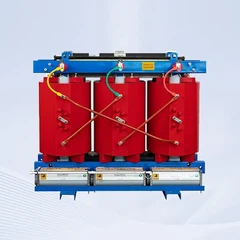
If you're interested in high-quality distribution transformers using silicon steel cores, check out our China 800 KVA 11KV To 550V Output Distribution Transformer Supplier.
2. Amorphous Metal
Amorphous metal is a relatively new core material that has gained popularity in recent years due to its excellent energy efficiency. It is made by rapidly cooling a molten alloy of iron, boron, and silicon, which results in a non-crystalline or "amorphous" structure.
Advantages
- Extremely Low Core Losses: Amorphous metal has significantly lower core losses compared to silicon steel, typically 70% - 80% less. This makes it ideal for applications where energy efficiency is a top priority, such as in distribution transformers used in areas with high electricity costs or where there are strict energy efficiency regulations.
- High Resistance to Eddy Currents: The amorphous structure of the metal provides high resistance to eddy currents, which further reduces energy losses. This allows for more efficient energy transfer and lower operating temperatures.
Disadvantages
- Brittleness: Amorphous metal is brittle and has poor mechanical properties compared to silicon steel. This makes it more difficult to manufacture into complex core shapes and requires special handling during the manufacturing process.
- Higher Cost: The production process of amorphous metal is more complex and expensive than that of silicon steel, which results in higher material costs. However, the long-term energy savings can offset the initial investment.
3. Ferrite
Ferrite is a ceramic material composed of iron oxide and other metal oxides, such as manganese, zinc, or nickel. It is commonly used in high-frequency applications due to its high electrical resistivity and low eddy current losses.
Advantages
- Low Eddy Current Losses: Ferrite has very high electrical resistivity, which means that eddy currents are minimized. This makes it suitable for high-frequency distribution transformers, where eddy current losses can be a significant issue.
- High Magnetic Permeability at High Frequencies: Ferrite maintains high magnetic permeability at high frequencies, allowing for efficient energy transfer in high-frequency transformers.
- Lightweight: Ferrite is relatively lightweight compared to other core materials, which can be an advantage in applications where weight is a concern.
Disadvantages
- Low Saturation Flux Density: Ferrite has a lower saturation flux density compared to silicon steel and amorphous metal. This means that it can only handle a limited amount of magnetic flux before it saturates, which can limit its use in high-power distribution transformers.
- Temperature Sensitivity: Ferrite's magnetic properties are highly temperature-sensitive. At high temperatures, its magnetic permeability can decrease significantly, leading to reduced performance and efficiency.
4. Nanocrystalline Alloys
Nanocrystalline alloys are a new class of core materials that combine the advantages of amorphous metals and silicon steel. They are made by subjecting an amorphous alloy to a controlled heat treatment, which results in the formation of nanoscale crystals within the amorphous matrix.
Advantages
- Low Core Losses: Nanocrystalline alloys have core losses that are comparable to or even lower than those of amorphous metals. This makes them highly energy-efficient and suitable for applications where energy savings are crucial.
- High Saturation Flux Density: They have a higher saturation flux density compared to amorphous metals, which means they can handle more magnetic flux without saturating. This allows for the design of more compact and powerful transformers.
- Good Temperature Stability: Nanocrystalline alloys have better temperature stability than amorphous metals, which means their magnetic properties are less affected by temperature changes.
Disadvantages
- Cost: Nanocrystalline alloys are currently more expensive than silicon steel, which can be a barrier to their widespread adoption. However, as the production technology improves, the cost is expected to decrease.
- Limited Availability: Due to their relatively new development, nanocrystalline alloys may not be as readily available as other core materials.
Considerations for Selecting Core Materials
When selecting a core material for a distribution transformer, several factors need to be considered:
- Energy Efficiency Requirements: If energy efficiency is a top priority, amorphous metals or nanocrystalline alloys may be the best choice, despite their higher cost. However, if cost is a major constraint, silicon steel may be a more practical option.
- Operating Frequency: For high-frequency applications, ferrite cores are often preferred due to their low eddy current losses and high magnetic permeability at high frequencies.
- Power Rating: High-power distribution transformers typically require core materials with high saturation flux density, such as silicon steel or nanocrystalline alloys.
- Environmental Conditions: The operating temperature and humidity of the transformer's environment can affect the performance of the core material. For example, materials with good temperature stability are required for applications in hot climates.
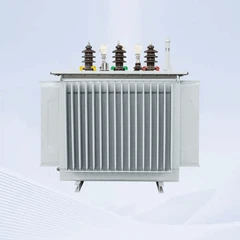
In addition to our China 800 KVA 11KV To 550V Output Distribution Transformer Supplier, we also offer 380V Communication Power Distribution Cabinet and Single Phase Distribution Transformer to meet your diverse needs.
Conclusion
The choice of core material is a critical decision in the design and manufacture of distribution transformers. Each core material has its own unique characteristics, advantages, and disadvantages. As a distribution transformer supplier, we understand the importance of selecting the right core material to ensure optimal performance, energy efficiency, and cost-effectiveness. Whether you need a transformer for a small residential application or a large industrial project, we can help you choose the most suitable core material and design a transformer that meets your specific requirements.
If you're interested in learning more about our distribution transformers or have any questions about core materials, please feel free to contact us. We're here to assist you in making the best choice for your electrical power distribution needs.
References
- "Transformer Engineering: Design, Technology, and Diagnostics" by Turan Gönen
- "Handbook of Electrical Steel" by George L. Hadley
- "Magnetic Materials and Their Applications" by E. C. Stoner and E. P. Wohlfarth
Send Inquiry