





What are the environmental requirements for installing a distribution transformer?
Sep 04, 2025
Leave a message
Hey there! As a supplier of distribution transformers, I've had my fair share of customers asking about the environmental requirements for installing these bad boys. So, I thought I'd put together this blog post to share what I've learned over the years.
First off, let's talk about location. When it comes to installing a distribution transformer, the location is super important. You want to pick a spot that's dry, well-ventilated, and away from any potential sources of damage. For instance, you don't want to place it in a low-lying area where it could get flooded during heavy rain. And if there are any nearby trees or buildings that could fall on it during a storm, that's a no-go too.
Another thing to consider is the temperature. Distribution transformers generate heat when they're in operation, so they need to be installed in an area where the ambient temperature isn't too high. Generally speaking, the ideal temperature range for a transformer is between -20°C and 40°C. If the temperature gets too high, it can cause the transformer to overheat, which can lead to premature failure.
Now, let's talk about the ground. The ground where you install the transformer needs to be stable and level. You don't want it to sink or shift over time, as this can cause stress on the transformer and its connections. If the ground isn't stable, you may need to install a concrete pad or some other type of foundation to provide a solid base for the transformer.
In addition to the ground, you also need to make sure that the area around the transformer is clear of any debris or obstacles. This includes things like leaves, branches, and trash. If there's a lot of debris around the transformer, it can block the ventilation and cause the temperature to rise. It can also pose a fire hazard if it comes into contact with the hot parts of the transformer.
When it comes to ventilation, proper airflow is crucial for the health of the transformer. You want to make sure that there's enough space around the transformer for air to circulate freely. This means leaving at least a few feet of clearance on all sides of the transformer. If the transformer is installed indoors, you may need to install fans or other ventilation equipment to ensure that there's enough airflow.
Another important environmental factor to consider is the presence of moisture. Moisture can cause corrosion and other types of damage to the transformer, so you want to make sure that the area where it's installed is dry. If the transformer is installed outdoors, it should be protected by a weatherproof enclosure. And if it's installed in a damp or humid environment, you may need to use a dehumidifier or other moisture control equipment.
Now, let's talk about the electrical environment. The electrical environment where the transformer is installed needs to be stable and free of any electrical interference. This means making sure that the power supply is clean and that there are no voltage spikes or surges. If there are any electrical problems in the area, you may need to install a surge protector or other electrical protection equipment to safeguard the transformer.
In addition to the electrical environment, you also need to make sure that the transformer is properly grounded. Grounding helps to protect the transformer and the people who work around it from electrical shock. It also helps to prevent electrical fires and other types of damage. When installing the transformer, make sure that the grounding wire is properly connected and that it meets all the relevant electrical codes and standards.
Now, let's take a look at some of the specific environmental requirements for different types of distribution transformers.
Oil-Filled Transformers
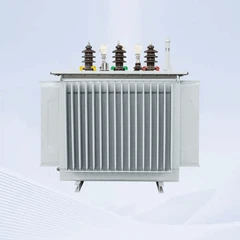
Oil-filled transformers are one of the most common types of distribution transformers. They use oil as a coolant and insulator, which helps to keep the transformer cool and prevent electrical arcing. When installing an oil-filled transformer, there are a few additional environmental requirements to keep in mind.
First of all, you need to make sure that the area where the transformer is installed is well-ventilated. This is because the oil in the transformer can release flammable vapors, which can pose a fire hazard if they build up in a confined space. You also need to make sure that there are no sources of ignition nearby, such as open flames or electrical sparks.


In addition to ventilation, you also need to make sure that the transformer is installed in a location where it won't be exposed to extreme temperatures. If the temperature gets too high, the oil in the transformer can expand and cause the transformer to leak or even explode. On the other hand, if the temperature gets too low, the oil can thicken and lose its ability to cool the transformer effectively.
Another important consideration when installing an oil-filled transformer is the presence of moisture. Moisture can cause the oil in the transformer to break down and lose its insulating properties, which can lead to electrical problems. To prevent this from happening, you need to make sure that the transformer is installed in a dry location and that the oil is properly maintained.
If you're interested in our 50KVA Oil Filled Three Phase Distribution Transformer, it's designed to meet all the necessary environmental requirements for a reliable and long-lasting performance.
Dry-Type Transformers
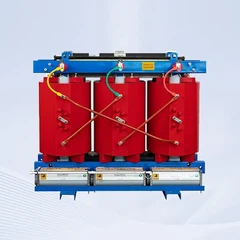
Dry-type transformers are another popular type of distribution transformer. Unlike oil-filled transformers, they don't use oil as a coolant and insulator. Instead, they use air or a dry dielectric material to cool and insulate the transformer. When installing a dry-type transformer, there are a few different environmental requirements to keep in mind.
One of the main advantages of dry-type transformers is that they're less prone to fire hazards than oil-filled transformers. However, they still need to be installed in a well-ventilated area to prevent overheating. You also need to make sure that there are no sources of dust or other contaminants in the area, as these can accumulate on the transformer and reduce its efficiency.
In addition to ventilation, you also need to make sure that the dry-type transformer is installed in a location where it won't be exposed to extreme temperatures. Like oil-filled transformers, dry-type transformers can be damaged if they're exposed to temperatures that are too high or too low. You also need to make sure that the transformer is protected from moisture, as this can cause the insulation to break down and lead to electrical problems.
If you're in the market for a 200kVA 10kV Electrical Power Distribution Transformer, our dry-type options are built to withstand various environmental conditions and provide reliable power distribution.
Three-Phase Oil-Immersed Transformers
Three-phase oil-immersed transformers are commonly used in industrial and commercial applications. They offer high efficiency and reliability, but they also have specific environmental requirements.
These transformers need to be installed in a location with proper containment in case of an oil leak. The containment area should be designed to hold the entire volume of oil in the transformer and prevent it from spreading into the environment. You also need to make sure that the area is well-drained to prevent the accumulation of water.
Similar to other oil-filled transformers, ventilation is crucial for three-phase oil-immersed transformers. The area around the transformer should have adequate air circulation to dissipate the heat generated during operation. And as always, protection from extreme temperatures and moisture is essential.
Our 10KV Three Phase Oil-Immersed Distribution Transformer is engineered to meet strict environmental standards and provide stable power supply.
So, there you have it! Those are some of the main environmental requirements for installing a distribution transformer. As a supplier, I always recommend that my customers consult with a professional electrician or engineer before installing a transformer to make sure that all the necessary environmental requirements are met.
If you're in the market for a distribution transformer and have any questions about the environmental requirements or need help choosing the right transformer for your application, don't hesitate to reach out. We're here to help you make the best decision and ensure that your transformer installation goes smoothly.
Let's work together to find the perfect distribution transformer for your needs and ensure a reliable and efficient power supply. Contact us today to start the conversation!
References
- Electrical Power Systems: Design and Analysis by Turan Gonen
- Handbook of Transformer Engineering: Theory and Practice by Ashfaq Husain
Send Inquiry