

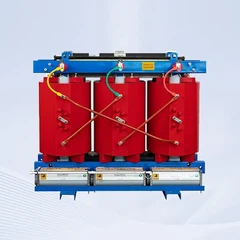
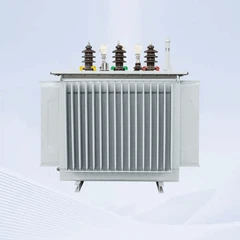




What are the standards for dry transformers?
Aug 21, 2025
Leave a message
As a supplier of dry transformers, I often encounter customers who are curious about the standards that govern these essential electrical devices. Dry transformers play a crucial role in various industries, from power distribution to industrial applications, and understanding the standards is vital for ensuring their safe and efficient operation. In this blog post, I will delve into the key standards for dry transformers, shedding light on the factors that define their quality and performance.
International Standards
One of the most widely recognized international standards for dry transformers is the International Electrotechnical Commission (IEC) standard. The IEC 60076 series provides a comprehensive set of requirements for power transformers, including dry-type transformers. These standards cover various aspects, such as electrical, thermal, and mechanical performance, as well as safety and environmental considerations.
The IEC standards specify the requirements for insulation materials, temperature rise limits, and short-circuit withstand capabilities. For example, IEC 60076-1 defines the general requirements for power transformers, while IEC 60076-11 focuses on dry-type transformers with encapsulated windings. These standards ensure that dry transformers are designed and manufactured to meet the highest levels of quality and reliability.
In addition to the IEC standards, there are also national and regional standards that may apply depending on the location of the transformer installation. For instance, in the United States, the National Electrical Manufacturers Association (NEMA) sets standards for dry transformers. NEMA ST 20 provides guidelines for the design, testing, and performance of dry-type distribution transformers. These standards are widely used in the North American market and are often referenced in project specifications.
Insulation Class
The insulation class of a dry transformer is a critical factor that determines its thermal performance and lifespan. Insulation materials are classified based on their ability to withstand high temperatures without degrading. The most common insulation classes for dry transformers are Class F (155°C) and Class H (180°C).
Class F insulation is suitable for most applications and provides a good balance between performance and cost. It can withstand continuous operation at temperatures up to 155°C, which is sufficient for many industrial and commercial environments. Class H insulation, on the other hand, offers higher temperature resistance and is typically used in applications where the transformer may be exposed to more extreme operating conditions.
The choice of insulation class depends on several factors, including the load requirements, ambient temperature, and expected lifespan of the transformer. It is important to select the appropriate insulation class to ensure that the transformer can operate safely and efficiently under the specified conditions.


Temperature Rise
Temperature rise is another important parameter that is regulated by standards. It refers to the increase in temperature of the transformer windings and other components above the ambient temperature during normal operation. The temperature rise limits are specified to prevent overheating and ensure the long-term reliability of the transformer.
The IEC and NEMA standards define the maximum allowable temperature rise for different insulation classes. For example, for a Class F insulation dry transformer, the maximum temperature rise for the windings is typically limited to 100°C above the ambient temperature. This means that if the ambient temperature is 40°C, the maximum winding temperature should not exceed 140°C.
Monitoring the temperature rise of a dry transformer is essential to detect any potential issues early on. Many modern dry transformers are equipped with temperature sensors that can provide real-time temperature data. This information can be used to optimize the operation of the transformer and prevent costly breakdowns.
Short-Circuit Withstand Capability
Dry transformers must be able to withstand short-circuit currents without sustaining damage. Short-circuit currents can occur due to various reasons, such as faults in the electrical system or lightning strikes. The short-circuit withstand capability of a transformer is determined by its design and construction, including the winding configuration, the use of bracing and supports, and the quality of the insulation materials.
The IEC and NEMA standards specify the requirements for short-circuit withstand testing. During the test, the transformer is subjected to a short-circuit current for a specified duration, and its performance is evaluated. The transformer must be able to maintain its electrical and mechanical integrity without experiencing any significant damage.
Ensuring that a dry transformer has adequate short-circuit withstand capability is crucial for the safety and reliability of the electrical system. It is important to select a transformer that is designed and tested to meet the relevant standards for short-circuit performance.
Efficiency
Efficiency is an important consideration when selecting a dry transformer. A more efficient transformer consumes less energy and generates less heat, which can result in significant cost savings over the life of the transformer. The efficiency of a transformer is typically expressed as a percentage and is calculated based on the ratio of the output power to the input power.
The IEC and NEMA standards define the minimum efficiency requirements for dry transformers. These requirements are based on the transformer's rated power and voltage class. For example, the NEMA Premium efficiency standard sets higher efficiency levels for dry transformers, which can help reduce energy consumption and lower operating costs.
When choosing a dry transformer, it is advisable to select one that meets or exceeds the relevant efficiency standards. This not only helps to reduce energy costs but also contributes to a more sustainable and environmentally friendly operation.
Noise Level
Noise level is another factor that may be regulated by standards, especially in residential and commercial areas. Dry transformers can produce noise during operation, which can be a nuisance to nearby residents or workers. The noise level of a transformer is typically measured in decibels (dB) and is influenced by factors such as the core design, winding configuration, and cooling system.
The IEC and NEMA standards specify the maximum allowable noise levels for dry transformers. These limits are designed to ensure that the transformer operates quietly and does not cause excessive noise pollution. When selecting a dry transformer, it is important to consider the noise level requirements of the installation site and choose a transformer that meets the relevant standards.
Our Products
At our company, we offer a wide range of dry transformers that meet the highest standards of quality and performance. Our products include The Residential Pad Mounted Transformer, which is designed for use in residential areas and provides reliable power distribution. We also offer the SCBH15 amorphous alloy dry transformer, which features high efficiency and low losses, making it an ideal choice for energy-conscious applications. Additionally, our Cast Resin Distribution Transformers are known for their excellent insulation properties and long lifespan.
Contact Us for Purchase and Negotiation
If you are in the market for dry transformers, we invite you to contact us for further information and to discuss your specific requirements. Our team of experts is ready to assist you in selecting the right transformer for your application and can provide you with detailed product specifications and pricing. We are committed to providing our customers with the best products and services, and we look forward to the opportunity to work with you.
References
- International Electrotechnical Commission (IEC). IEC 60076 series.
- National Electrical Manufacturers Association (NEMA). NEMA ST 20.
Send Inquiry