

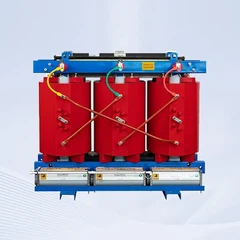
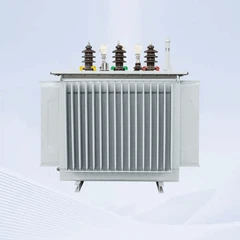




What is the maintenance of a substation transformer?
May 12, 2025
Leave a message
As a seasoned supplier of substation transformers, I've witnessed firsthand the critical role these electrical workhorses play in our power grid. Substation transformers are the backbone of electricity distribution, stepping up or stepping down voltage levels to ensure efficient and safe power transfer. However, like any complex machinery, they require regular maintenance to operate at peak performance and extend their lifespan. In this blog post, I'll delve into the ins and outs of substation transformer maintenance, sharing insights and best practices based on my years of experience in the industry.
Understanding the Importance of Maintenance
Before we dive into the specifics of maintenance, let's take a moment to understand why it's so crucial. Substation transformers are expensive assets that represent a significant investment for utility companies and other power providers. A well-maintained transformer can operate reliably for decades, providing a stable and efficient power supply to consumers. On the other hand, neglecting maintenance can lead to a range of problems, including reduced efficiency, increased energy losses, and even catastrophic failure.
In addition to the financial implications, transformer failures can also have serious consequences for public safety and the environment. A sudden transformer failure can cause power outages, disrupt critical services, and pose a risk of electrical fires and explosions. By investing in regular maintenance, power providers can minimize these risks and ensure the continued reliability of their power grid.
Types of Substation Transformers
There are several types of substation transformers, each designed for specific applications and voltage levels. Some of the most common types include:

- Power Transformers: These are the largest and most powerful transformers used in the power grid, typically rated for voltages of 110 kV or higher. Power transformers are used to step up or step down voltage levels at transmission substations, allowing electricity to be transmitted over long distances with minimal losses.
- Distribution Transformers: These transformers are used to step down voltage levels from the transmission network to the distribution network, typically at voltages of 11 kV or lower. Distribution transformers are found in substations located throughout the community, providing power to homes, businesses, and other end-users.
- European Box Type Substation: European Box Type Substation are prefabricated substations that combine a transformer, switchgear, and other electrical equipment in a single enclosure. These substations are commonly used in urban areas where space is limited and a compact design is required.
- Mobile Substations: Mobile Substations are portable substations that can be quickly deployed to provide temporary power during emergencies or maintenance outages. These substations are typically mounted on trailers or trucks and can be easily transported to the desired location.
Maintenance Strategies
There are several maintenance strategies that power providers can adopt to ensure the reliable operation of their substation transformers. These strategies can be broadly categorized into three main types:

- Preventive Maintenance: This approach involves performing regular inspections, tests, and maintenance tasks to prevent potential problems from occurring. Preventive maintenance tasks may include oil sampling and analysis, insulation resistance testing, and visual inspections of the transformer and its components.
- Predictive Maintenance: This approach uses advanced monitoring techniques and data analysis to predict when maintenance is needed based on the condition of the transformer. Predictive maintenance techniques may include dissolved gas analysis, partial discharge monitoring, and thermal imaging.
- Corrective Maintenance: This approach involves performing maintenance tasks only when a problem is detected. Corrective maintenance tasks may include repairing or replacing faulty components, such as bushings, tap changers, or cooling fans.
Key Maintenance Tasks
Regardless of the maintenance strategy adopted, there are several key maintenance tasks that should be performed regularly on substation transformers. These tasks include:
- Oil Sampling and Analysis: Transformer oil plays a crucial role in insulating and cooling the transformer. Over time, the oil can degrade and become contaminated, which can lead to insulation breakdown and other problems. Regular oil sampling and analysis can help detect changes in the oil's properties and identify potential problems before they cause significant damage.
- Insulation Resistance Testing: Insulation resistance testing is used to measure the resistance of the transformer's insulation system. A low insulation resistance value may indicate a problem with the insulation, such as moisture ingress or contamination. Regular insulation resistance testing can help detect insulation problems early and prevent costly repairs.
- Visual Inspections: Visual inspections are an important part of transformer maintenance. During a visual inspection, the transformer and its components are examined for signs of damage, wear, or deterioration. Visual inspections can help detect problems such as leaks, cracks, or loose connections, which can be repaired before they cause significant damage.
- Cooling System Maintenance: The cooling system is an essential component of a substation transformer, as it helps to dissipate the heat generated by the transformer. Regular maintenance of the cooling system, including cleaning the radiators and checking the fans and pumps, is essential to ensure the efficient operation of the transformer.
- Tap Changer Maintenance: The tap changer is a device that allows the voltage ratio of the transformer to be adjusted. Regular maintenance of the tap changer, including cleaning and lubrication, is essential to ensure its reliable operation.
The Role of Technology in Transformer Maintenance
Advancements in technology have had a significant impact on transformer maintenance. Today, power providers have access to a wide range of advanced monitoring and diagnostic tools that can help them detect potential problems early and take proactive measures to prevent failures. Some of the key technologies used in transformer maintenance include:
- Dissolved Gas Analysis (DGA): DGA is a technique used to analyze the gases dissolved in transformer oil. By analyzing the gases, it is possible to detect the presence of faults such as overheating, arcing, or insulation breakdown. DGA can help power providers identify potential problems early and take proactive measures to prevent failures.
- Partial Discharge Monitoring: Partial discharge is a phenomenon that occurs when there is a breakdown of the insulation system in a transformer. Partial discharge monitoring can help detect the presence of partial discharges, which can indicate a problem with the insulation system. By monitoring partial discharges, power providers can identify potential problems early and take proactive measures to prevent failures.
- Thermal Imaging: Thermal imaging is a technique used to detect hot spots in a transformer. By using a thermal imaging camera, it is possible to identify areas of the transformer that are operating at a higher temperature than normal. Thermal imaging can help power providers detect potential problems early and take proactive measures to prevent failures.
Conclusion
In conclusion, the maintenance of substation transformers is a critical aspect of ensuring the reliable operation of the power grid. By adopting a proactive maintenance strategy and performing regular inspections, tests, and maintenance tasks, power providers can minimize the risk of transformer failures and ensure the continued reliability of their power supply. As a supplier of substation transformers, I'm committed to providing our customers with the highest quality products and services, including comprehensive maintenance support. If you're interested in learning more about our substation transformers or our maintenance services, please don't hesitate to contact us to discuss your specific needs.
References
- IEEE Guide for Loading Mineral-Oil-Immersed Transformers, IEEE Std C57.91-2011
- IEEE Guide for Liquid-Immersed Power Transformer Through-Fault Monitoring and Post-Fault Diagnostic Testing, IEEE Std C57.159-2014
- IEC 60076-1: Power transformers - Part 1: General
- IEC 60076-7: Power transformers - Part 7: Loading guide for oil-immersed power transformers
Send Inquiry