





What is the short - circuit impedance of a dry type transformer?
Aug 28, 2025
Leave a message
Hey there! As a supplier of dry type transformers, I often get asked about all sorts of technical stuff. One question that pops up quite a bit is, "What is the short - circuit impedance of a dry type transformer?" Well, let's dive right in and break it down.
First off, let's understand what short - circuit impedance actually means. In simple terms, short - circuit impedance is a measure of how much a transformer resists the flow of short - circuit current. When a short - circuit occurs in an electrical system, a huge amount of current can rush through. The short - circuit impedance of a dry type transformer limits this excessive current flow, protecting the transformer and other equipment in the system.
Think of it like a traffic cop at a busy intersection. When there's a sudden influx of cars (the short - circuit current), the traffic cop (the short - circuit impedance) steps in to control the flow and prevent chaos. Without this impedance, the high short - circuit current could cause severe damage to the transformer windings, leading to costly repairs or even complete failure.
Now, how is the short - circuit impedance of a dry type transformer determined? It's mainly related to the physical design and construction of the transformer. The number of turns in the windings, the type of core material, and the spacing between the windings all play a role. For example, if a transformer has more turns in its windings, it will generally have a higher short - circuit impedance.
The short - circuit impedance is usually expressed as a percentage. This percentage represents the voltage drop across the transformer when a short - circuit occurs at its secondary terminals, with the primary winding connected to its rated voltage. For instance, if a dry type transformer has a short - circuit impedance of 4%, it means that when a short - circuit happens at the secondary, the voltage drop across the transformer will be 4% of the rated primary voltage.
Why is this percentage so important? Well, it helps electrical engineers design the power system more effectively. By knowing the short - circuit impedance of a transformer, they can calculate the maximum short - circuit current that can flow in the system. This information is crucial for selecting the right protective devices, such as circuit breakers and fuses, to ensure the safety and reliability of the entire electrical network.
As a dry type transformer supplier, we offer a wide range of products with different short - circuit impedance values to meet the diverse needs of our customers. For example, our Single Phase Dry Type Transformer is designed for various single - phase applications. It has a carefully optimized short - circuit impedance to provide reliable performance in different electrical environments.
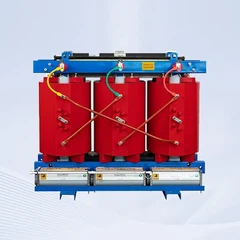
Another popular product in our lineup is the 160kVA Epoxy Resin Dry - Type Transformer. This transformer is known for its high - quality epoxy resin insulation, which not only provides excellent electrical properties but also helps in achieving the right short - circuit impedance. The epoxy resin encapsulation protects the windings from environmental factors, ensuring a long service life and stable short - circuit performance.
We also have Cast Resin Transformers. These transformers are widely used in industrial and commercial applications. The casting process allows for precise control of the winding geometry, which in turn affects the short - circuit impedance. With our cast resin transformers, customers can expect a well - balanced short - circuit impedance that meets the requirements of their specific electrical systems.
When it comes to choosing a dry type transformer with the right short - circuit impedance, there are a few things to consider. First, you need to understand the characteristics of your electrical system, such as the available fault current and the load requirements. If your system has a high fault current, you may need a transformer with a higher short - circuit impedance to limit the current flow during a short - circuit.
Second, think about the future expansion of your electrical system. If you plan to add more loads or equipment in the future, you should choose a transformer with a short - circuit impedance that can accommodate the increased fault current. This will save you from having to replace the transformer later on.
Finally, don't forget about the quality and reliability of the transformer. At our company, we use only the best materials and advanced manufacturing techniques to ensure that our dry type transformers have consistent and accurate short - circuit impedance values. We also conduct rigorous testing on each transformer to guarantee its performance and safety.
In conclusion, the short - circuit impedance of a dry type transformer is a critical parameter that affects the safety and performance of an electrical system. As a dry type transformer supplier, we are committed to providing our customers with high - quality transformers that have the right short - circuit impedance for their specific needs. Whether you're looking for a single - phase transformer, a 160kVA epoxy resin transformer, or a cast resin transformer, we've got you covered.
If you're interested in learning more about our dry type transformers or need help in choosing the right one for your project, don't hesitate to get in touch with us. We're always here to assist you with your procurement and answer any questions you may have. Let's work together to ensure the smooth and reliable operation of your electrical system.
References


- Electrical Power Systems Engineering Handbook
- Transformer Design and Application Guide
Send Inquiry