







What is the starting characteristic of an Amorphous Metal Transformer?
May 15, 2025
Leave a message
As a supplier of Amorphous Metal Transformers, I'm excited to share insights into the starting characteristics of these remarkable electrical devices. Amorphous metal transformers have gained significant attention in the power distribution industry due to their energy - efficient nature and unique performance features. In this blog, we'll delve into the key starting characteristics that set them apart from traditional transformers.

Low No - Load Losses
One of the most prominent starting characteristics of an Amorphous Metal Transformer is its extremely low no - load losses. When a transformer is energized, even without any load connected to the secondary side, it consumes a certain amount of power to maintain the magnetic field in the core. This is known as no - load loss.
Amorphous metal has a unique atomic structure that is disordered compared to the crystalline structure of traditional transformer core materials like silicon steel. This disordered structure results in much lower hysteresis losses. Hysteresis loss occurs when the magnetic field in the core is repeatedly reversed as the alternating current flows. Since amorphous metal requires less energy to reverse its magnetization, the hysteresis losses are significantly reduced.
The eddy current losses in amorphous metal cores are also lower. Eddy currents are induced in the core due to the changing magnetic field, and they cause power dissipation in the form of heat. The high electrical resistivity of amorphous metal restricts the flow of eddy currents, thus minimizing these losses. As a result, when an Amorphous Metal Transformer starts up, it consumes far less power in the no - load condition compared to a traditional silicon - steel - core transformer. This energy - saving feature makes it an ideal choice for applications where the transformer may be in a standby or lightly - loaded state for extended periods, such as in residential areas during off - peak hours.
Fast Magnetic Saturation Response
Amorphous metal transformers exhibit a relatively fast magnetic saturation response. Magnetic saturation occurs when the magnetic field in the core reaches a maximum value and cannot be further increased by increasing the current in the primary winding.
During the start - up process, the transformer experiences a transient period where the magnetic field in the core is building up. In an Amorphous Metal Transformer, the amorphous alloy core can quickly reach the saturation point. This is beneficial in terms of protecting the transformer and the connected electrical system. When a fault occurs during start - up, such as a short - circuit on the secondary side, the fast saturation of the core limits the inrush current.
Inrush current is a large, momentary current that flows into the transformer when it is first energized. It can be several times higher than the normal operating current and may cause damage to the transformer windings, circuit breakers, and other electrical components. The fast saturation characteristic of the amorphous metal core helps to suppress this inrush current, reducing the stress on the electrical system and increasing the overall reliability of the transformer.
High Efficiency at Low Loads
Another important starting characteristic is the high efficiency of Amorphous Metal Transformers at low loads. Traditional transformers are typically designed to operate at maximum efficiency near their rated load. However, in many real - world applications, transformers often operate at low loads for a significant portion of their service life.
Amorphous metal transformers maintain a high level of efficiency even at low loads because of their low no - load losses. As mentioned earlier, the reduced hysteresis and eddy current losses in the amorphous metal core result in less power consumption when the transformer is lightly loaded. This means that even during start - up when the load may be minimal, the transformer is still operating efficiently, saving energy and reducing operating costs.
For example, in a commercial building where the electrical load varies throughout the day, an Amorphous Metal Transformer can provide consistent energy savings. When the building is just starting up in the morning with only a few lights and small appliances running, the transformer can operate at a high efficiency, consuming less power compared to a traditional transformer.
Compact Size and Light Weight
Amorphous Metal Transformers tend to have a more compact size and lighter weight compared to traditional transformers with the same power rating. This is due to the high magnetic permeability of amorphous metal.
During the start - up and operation of the transformer, the high magnetic permeability allows for a more efficient transfer of magnetic energy. This means that a smaller amount of core material is required to achieve the same magnetic flux density as a traditional transformer. As a result, the overall size and weight of the transformer are reduced.
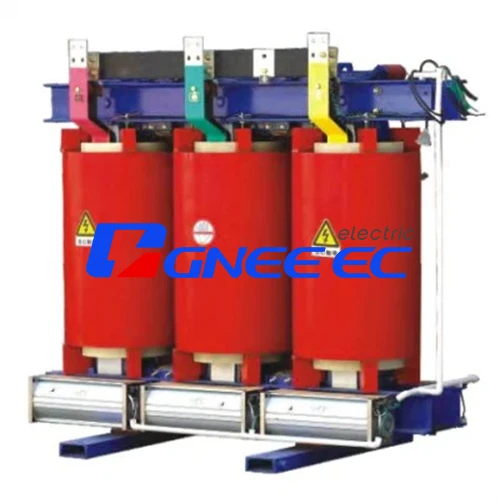
The compact size and light weight are advantageous in many ways. They make the installation process easier and more cost - effective, especially in space - constrained locations. Additionally, the reduced weight can lower transportation costs and make the transformer more suitable for mobile or portable applications.
Comparison with Traditional Transformers
To better understand the starting characteristics of Amorphous Metal Transformers, it's useful to compare them with traditional silicon - steel - core transformers.
Traditional transformers have been the standard in the power industry for many years. They are well - understood and have a proven track record of reliability. However, they suffer from relatively high no - load losses. The crystalline structure of silicon steel leads to higher hysteresis losses, and the lower electrical resistivity results in more significant eddy current losses.
In terms of inrush current, traditional transformers may experience larger inrush currents during start - up compared to Amorphous Metal Transformers. This is because the magnetic saturation response of silicon - steel cores is slower, and they are less effective at limiting the inrush current.
Regarding efficiency at low loads, traditional transformers are less efficient. Their design is optimized for operation at or near the rated load, so when operating at low loads, they consume more power than Amorphous Metal Transformers.
Applications of Amorphous Metal Transformers
The unique starting characteristics of Amorphous Metal Transformers make them suitable for a wide range of applications.
In the residential sector, they can be used in distribution transformers to supply power to homes. The low no - load losses and high efficiency at low loads mean that they can save energy and reduce electricity bills for homeowners. During the early morning or late evening when the electrical load in homes is low, the transformer can operate efficiently, minimizing power consumption.
In commercial buildings, such as offices, shopping malls, and hospitals, Amorphous Metal Transformers are an excellent choice. They can handle the varying loads throughout the day with high efficiency. For example, in an office building, the load is low during the night and gradually increases during the working hours. An Amorphous Metal Transformer can adapt to these load changes and provide energy - efficient operation.
In industrial settings, where large amounts of power are consumed, the energy - saving potential of Amorphous Metal Transformers is even more significant. They can be used in power distribution systems to supply power to factories and manufacturing plants. The reduced inrush current also helps to protect the industrial electrical equipment from damage during start - up.
If you're interested in our Amorphous Dry - Type Transformer, Amorphous Alloy Core Power Transformer, or 500 KVA Dry Type Amorphous Alloy Transformer, please feel free to contact us for more information and to discuss your specific requirements. Our team of experts is ready to assist you in finding the best transformer solution for your needs.
References
- "Transformer Engineering: Design, Technology, and Diagnostics" by George Karady and Gyu - Min Lee.
- IEEE standards on power transformers for detailed technical specifications and performance criteria.
- Industry reports on energy - efficient transformers published by organizations such as the International Energy Agency (IEA).
Send Inquiry