





Can a 1500 kva dry type transformer be used in a wind power plant?
Aug 20, 2025
Leave a message
Can a 1500 kva dry type transformer be used in a wind power plant?
As a supplier of 1500 kva dry type transformers, I often receive inquiries from customers in the wind power industry regarding the suitability of our products for their plants. In this blog post, I will delve into the question of whether a 1500 kva dry type transformer can be used in a wind power plant, exploring the technical aspects, advantages, and considerations associated with such an application.
Technical Compatibility
Wind power plants generate electricity through the rotation of wind turbines, which convert the kinetic energy of the wind into electrical energy. The electricity produced by the turbines is typically at a relatively low voltage, which needs to be stepped up to a higher voltage for efficient transmission over long distances. This is where transformers play a crucial role.
A 1500 kva dry type transformer is designed to handle a power capacity of 1500 kilovolt - amperes. In a wind power plant, the power output of individual turbines can vary depending on their size and design. Smaller turbines may have a power output in the range of a few hundred kilowatts, while larger ones can reach several megawatts.
If the wind power plant consists of multiple smaller turbines or a combination of turbines with a cumulative power output that is within the capacity of the 1500 kva transformer, then it can be a suitable choice. For example, if there are several turbines with a total power output of around 1200 - 1400 kW, a 1500 kva dry type transformer can efficiently step up the voltage of the generated electricity.
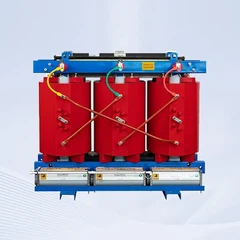
Dry type transformers are known for their high - quality insulation materials, which can withstand the electrical stresses associated with power conversion. They are also designed to operate at high temperatures without the need for a liquid coolant, making them suitable for use in various environmental conditions, including the often - harsh environments of wind power plants.
Advantages of Using a 1500 kva Dry Type Transformer in a Wind Power Plant
- Safety: Unlike oil - filled transformers, dry type transformers do not pose a risk of oil leakage, which can be a significant environmental hazard. In a wind power plant, where the turbines are often located in remote or environmentally sensitive areas, the use of a dry type transformer reduces the potential for pollution and fire hazards.
- Low Maintenance: Dry type transformers require less maintenance compared to oil - filled transformers. They do not need regular oil changes or inspections for oil levels and quality. This is particularly beneficial in wind power plants, where access to the transformers may be difficult due to their remote locations.
- Environmental Friendliness: Dry type transformers are more environmentally friendly as they do not contain any hazardous substances such as PCBs (polychlorinated biphenyls) or oil. They also have a lower carbon footprint during their manufacturing and operation, which aligns with the sustainable nature of wind power generation.
- Compact Design: Dry type transformers have a more compact design compared to oil - filled transformers of the same capacity. This is advantageous in wind power plants, where space may be limited, especially in the nacelles of the turbines or in the transformer substations.
Considerations
- Temperature and Ventilation: Although dry type transformers can operate at high temperatures, proper ventilation is still required to ensure optimal performance. In a wind power plant, the location of the transformer and the availability of natural or forced ventilation need to be carefully considered. If the transformer is installed in an enclosed space, adequate ventilation systems should be in place to prevent overheating.
- Voltage Regulation: Wind power is an intermittent source of energy, and the voltage output of the turbines can fluctuate depending on the wind speed. A 1500 kva dry type transformer should be equipped with appropriate voltage regulation mechanisms to ensure a stable output voltage, which is essential for the efficient operation of the power grid.
- Harmonics: Wind turbines can generate harmonics in the electrical system, which can cause problems such as overheating, increased losses, and interference with other electrical equipment. The 1500 kva dry type transformer should be designed to handle these harmonics effectively to ensure the reliability of the power supply.
Our Product Offerings
As a supplier of 1500 kva dry type transformers, we also offer a range of other transformers suitable for different applications in the wind power industry. For example, our 50 - 1600KVA Power Transformer provides a wide range of power capacities to meet the diverse needs of wind power plants. We also have the 15kVA Single Phase Transformer for smaller - scale applications or for use in auxiliary systems within the wind power plant. Additionally, our 630 KVA - 0.4/0.4 KV Isolation Dry Type Transformer can be used for isolation purposes, ensuring the safety and stability of the electrical system.


Conclusion
In conclusion, a 1500 kva dry type transformer can be used in a wind power plant, provided that the power output of the turbines is within its capacity and the necessary considerations regarding temperature, voltage regulation, and harmonics are addressed. The advantages of safety, low maintenance, environmental friendliness, and compact design make it an attractive option for wind power applications.
If you are interested in our 1500 kva dry type transformers or any of our other products for your wind power plant, we encourage you to contact us for further information and to discuss your specific requirements. Our team of experts is ready to assist you in selecting the most suitable transformer for your project.
References
- "Handbook of Transformer Technology: Design and Application" by George Hayt, John Kemmerly, and Steven Durbin.
- "Wind Power Generation and Wind Turbine Design" by T. Burton, D. Sharpe, N. Jenkins, and E. Bossanyi.
Send Inquiry