





How to maintain a dry type transformer?
Aug 20, 2025
Leave a message
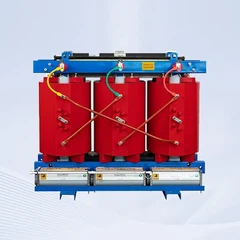
Dry type transformers are essential components in various electrical systems, known for their reliability, safety, and efficiency. As a leading supplier of dry type transformers, I understand the importance of proper maintenance to ensure the longevity and optimal performance of these critical assets. In this blog post, I will share some valuable insights on how to maintain a dry type transformer effectively.
Regular Visual Inspections
One of the simplest yet most crucial maintenance tasks is conducting regular visual inspections of the dry type transformer. This should be done at least once a month, or more frequently in harsh operating environments. During the inspection, check for any signs of physical damage, such as cracks, chips, or discoloration on the transformer's enclosure, windings, and insulation. Look for loose connections, corrosion, or overheating at the terminals and busbars. Any abnormal odors or sounds should also be investigated immediately, as they could indicate potential problems.
Temperature Monitoring
Monitoring the temperature of the dry type transformer is vital to prevent overheating, which can significantly reduce its lifespan and performance. Most dry type transformers are equipped with temperature sensors that provide real-time temperature readings. Regularly check these readings and ensure they are within the manufacturer's recommended operating range. If the temperature exceeds the normal limits, it could be a sign of an overloaded transformer, poor ventilation, or a malfunctioning cooling system. In such cases, take immediate action to address the issue, such as reducing the load or improving the ventilation.
Cleanliness and Dust Removal
Dust and dirt can accumulate on the surface of the dry type transformer over time, which can impede heat dissipation and increase the risk of electrical breakdown. Therefore, it is essential to keep the transformer clean and free from dust. Use a soft brush or compressed air to remove any dust or debris from the transformer's enclosure, windings, and cooling fins. Avoid using water or any liquid cleaners, as they can damage the insulation. In areas with high levels of dust or pollution, consider installing air filters or enclosures to protect the transformer from contaminants.
Insulation Resistance Testing
Insulation resistance testing is a critical maintenance procedure that helps to detect any deterioration or damage to the transformer's insulation. This test measures the resistance of the insulation to electrical current flow and can identify potential insulation problems before they cause a failure. Conduct insulation resistance tests at least once a year, or more frequently in harsh operating environments. Use a high-quality insulation resistance tester and follow the manufacturer's instructions carefully. If the insulation resistance values are below the recommended levels, it could indicate a problem with the insulation, such as moisture ingress or aging. In such cases, further investigation and corrective action may be required.
Cooling System Maintenance
The cooling system of a dry type transformer plays a crucial role in maintaining its temperature within the safe operating range. Therefore, it is essential to keep the cooling system clean and in good working condition. Regularly check the fans, blowers, and cooling ducts for any signs of damage or blockage. Clean the fans and blowers to remove any dust or debris that may accumulate on them. Ensure that the cooling ducts are clear and unobstructed to allow for proper airflow. If the cooling system is not functioning properly, it can lead to overheating and premature failure of the transformer.
Tightening of Electrical Connections
Over time, electrical connections in the dry type transformer can loosen due to vibration, thermal expansion, or other factors. Loose connections can cause increased resistance, overheating, and arcing, which can damage the transformer and pose a safety hazard. Therefore, it is essential to regularly check and tighten all electrical connections in the transformer. Use a torque wrench to ensure that the connections are tightened to the manufacturer's recommended specifications. Pay particular attention to the terminals, busbars, and grounding connections.
Protection Relay Testing
Protection relays are an integral part of the dry type transformer's protection system, which helps to detect and isolate faults in the transformer. Regularly test the protection relays to ensure that they are functioning properly and can respond quickly to any faults. Use a relay tester and follow the manufacturer's instructions carefully. Check the settings of the protection relays to ensure that they are appropriate for the transformer's rating and operating conditions. If the protection relays are not functioning properly, it can lead to delayed or inadequate protection, which can result in significant damage to the transformer.


Oil Analysis (if applicable)
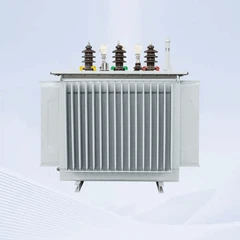
Some dry type transformers may use oil for cooling or insulation purposes. If your dry type transformer uses oil, it is essential to regularly analyze the oil to monitor its condition and detect any potential problems. Oil analysis can provide valuable information about the presence of contaminants, moisture, and degradation products in the oil. Conduct oil analysis at least once a year, or more frequently in harsh operating environments. Use a reputable oil analysis laboratory and follow the manufacturer's instructions carefully. If the oil analysis results indicate a problem with the oil, such as high levels of contaminants or moisture, it may be necessary to replace the oil or take other corrective action.
Training and Documentation
Proper maintenance of a dry type transformer requires knowledge and skills. Therefore, it is essential to provide training to the personnel responsible for the maintenance of the transformer. Ensure that they are familiar with the transformer's operating instructions, maintenance procedures, and safety precautions. Keep detailed records of all maintenance activities, including inspections, tests, repairs, and replacements. This documentation can help to track the transformer's maintenance history, identify trends, and plan for future maintenance needs.
Conclusion
Maintaining a dry type transformer is essential to ensure its reliability, safety, and efficiency. By following the maintenance tips outlined in this blog post, you can extend the lifespan of your dry type transformer and minimize the risk of downtime and costly repairs. Remember to conduct regular visual inspections, monitor the temperature, keep the transformer clean, perform insulation resistance testing, maintain the cooling system, tighten the electrical connections, test the protection relays, analyze the oil (if applicable), provide training to the maintenance personnel, and keep detailed records of all maintenance activities.
If you are in the market for a high-quality dry type transformer, we offer a wide range of products to meet your needs. Check out our SCB13 200kVA Air Insulated Rectifier Transformer, 1600 KVA 10kV Epoxy Resin Cast Dry Type Transformer Manufacturer, and 100kVA Dry Type Low Noise Transformer. Our transformers are designed and manufactured to the highest standards of quality and reliability, and we offer comprehensive after-sales support to ensure your satisfaction. Contact us today to discuss your requirements and learn more about our products and services.
References
- "Dry-Type Transformer Maintenance Guide," IEEE Standards Association.
- "Transformer Maintenance Handbook," Eaton Corporation.
- "Electrical Equipment Maintenance: A Practical Guide," McGraw-Hill Education.
Send Inquiry