







How does the protection system of a substation transformer work?
Jun 04, 2026
Leave a message
Hey there! As a supplier of substation transformers, I often get asked about how the protection system of a substation transformer works. It's a crucial topic, especially for those in the power industry. So, let's dive right in and explore this fascinating subject.
The Basics of Substation Transformers
First off, let's quickly go over what a substation transformer is. It's a key component in the electrical power system that steps up or steps down the voltage of an alternating current (AC). This is essential for efficient power transmission and distribution. For instance, when power is generated at a power plant, it's usually at a relatively low voltage. The substation transformer steps up this voltage for long - distance transmission, reducing power losses. And when it reaches the end - users, another transformer steps down the voltage to a safe and usable level.
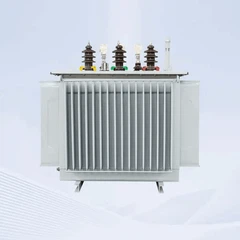
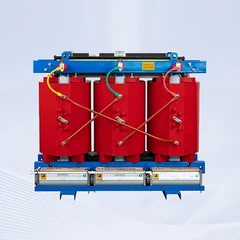
We offer a variety of substation transformers, like the 11kV Prefabricated Compact Substation. It's a great option for many applications, especially where space is limited. We also have the Mini Substation and Mini Substation Transformer, which are perfect for small - scale power distribution.


Why Protection Systems are Necessary
Now, why do we need a protection system for substation transformers? Well, transformers are expensive pieces of equipment, and they are exposed to various electrical faults. These faults can be caused by things like short - circuits, over - currents, over - voltages, and even internal insulation failures. If these faults are not detected and cleared quickly, they can cause significant damage to the transformer, leading to power outages and costly repairs.
Components of a Transformer Protection System
A typical transformer protection system consists of several components, each with its own important role.
Current Transformers (CTs)
Current transformers are used to measure the current flowing through the transformer. They step down the high - current levels in the primary circuit to a lower, more manageable level that can be used by the protection relays. For example, if the primary current is thousands of amperes, the CT will reduce it to a few amperes that can be easily measured and monitored.
Voltage Transformers (VTs)
Voltage transformers, on the other hand, are used to measure the voltage across the transformer. They step down the high - voltage levels in the primary circuit to a lower voltage that can be used by the protection relays. This helps in detecting over - voltage and under - voltage conditions.
Protection Relays
Protection relays are the brains of the protection system. They receive signals from the CTs and VTs and analyze the electrical parameters. Based on pre - set criteria, they can detect faults and send a trip signal to the circuit breakers. For example, if the current exceeds a certain limit, the relay will send a signal to open the circuit breaker, isolating the transformer from the fault.
Circuit Breakers
Circuit breakers are the devices that actually interrupt the flow of current in case of a fault. When they receive a trip signal from the protection relay, they open the circuit, preventing further damage to the transformer. Circuit breakers need to be reliable and fast - acting to ensure effective protection.
Types of Protection Schemes
There are several types of protection schemes used for substation transformers.
Over - Current Protection
Over - current protection is one of the most basic protection schemes. It detects when the current flowing through the transformer exceeds a pre - set value. This can be caused by a short - circuit or an overload. When the over - current condition is detected, the protection relay sends a trip signal to the circuit breaker, opening the circuit.
Differential Protection
Differential protection is a more advanced protection scheme. It compares the current entering and leaving the transformer. Under normal conditions, the current entering and leaving the transformer should be the same. However, if there is a fault inside the transformer, the current balance will be disrupted. The differential relay detects this imbalance and sends a trip signal to the circuit breaker.
Over - Voltage and Under - Voltage Protection
Over - voltage and under - voltage protection schemes are used to protect the transformer from abnormal voltage conditions. Over - voltage can cause insulation damage, while under - voltage can lead to inefficient operation. The protection relays monitor the voltage levels and send a trip signal if the voltage goes outside the acceptable range.
How the Protection System Works in Practice
Let's walk through a scenario to see how the protection system works in real - life.
Suppose there is a short - circuit in the secondary side of the transformer. The short - circuit causes a large increase in the current flowing through the transformer. The current transformers detect this increase in current and send the signal to the protection relay.
The protection relay analyzes the signal and determines that the current exceeds the pre - set over - current limit. It then sends a trip signal to the circuit breaker. The circuit breaker quickly opens the circuit, isolating the transformer from the fault. This prevents further damage to the transformer and helps in restoring power as quickly as possible.
Maintenance and Testing of the Protection System
To ensure the reliability of the protection system, regular maintenance and testing are essential. Maintenance includes checking the CTs, VTs, protection relays, and circuit breakers for any signs of damage or malfunction. Testing involves simulating fault conditions to verify that the protection system responds correctly.
Conclusion
In conclusion, the protection system of a substation transformer is a complex but vital part of the electrical power system. It helps in protecting the transformer from various electrical faults, ensuring reliable power supply, and reducing the risk of costly repairs.
If you're in the market for a substation transformer or need more information about our products, don't hesitate to reach out. We're here to help you find the right solution for your power needs. Whether it's the 11kV Prefabricated Compact Substation, Mini Substation, or Mini Substation Transformer, we've got you covered.
References
- Electrical Power Systems Engineering by Turan Gonen
- Power System Protection and Switchgear by C. L. Wadhwa
Send Inquiry