







How to store a substation power transformer for a long time?
Aug 03, 2026
Leave a message
Hey there! As a supplier of substation power transformers, I've seen my fair share of situations where these big pieces of equipment need to be stored for a long time. Whether it's due to a delay in a project, excess inventory, or some other reason, proper storage is super important to keep the transformers in top shape. So, let's dive into how to store a substation power transformer for a long time.
1. Preparation Before Storage
First things first, we gotta get the transformer ready for storage. This means a thorough inspection. Check for any visible damage like dents, scratches, or leaks. We don't want to store a transformer with hidden issues that could get worse over time.
Also, clean the transformer. Remove any dirt, debris, or oil stains. A clean transformer is less likely to attract pests or develop corrosion. You can use a mild detergent and a soft cloth to wipe it down.
Next, make sure all the electrical connections are secure. Loose connections can lead to problems during storage, like short - circuits or arcing. Tighten any bolts or nuts that hold the connections in place.
2. Choosing the Right Storage Location
The storage location is crucial. It should be a dry and well - ventilated area. Moisture is the enemy of power transformers. It can cause rust, corrosion, and even damage the insulation. A humidity level below 60% is ideal.
If possible, store the transformer indoors. An industrial warehouse is a great option. But if you have to store it outdoors, make sure it's protected by a waterproof cover. The cover should be made of a durable material that can withstand the elements.
The location should also be away from any sources of heat or direct sunlight. Excessive heat can degrade the insulation and other components of the transformer.
3. Protecting the Transformer from the Elements
As I mentioned earlier, moisture is a big problem. To prevent moisture from getting inside the transformer, we can use desiccants. These are substances that absorb moisture. You can place desiccant bags inside the transformer compartments.
For outdoor storage, a good quality waterproof cover is essential. It should fit snugly over the transformer and be secured with straps or ropes. The cover should also have ventilation holes to allow air circulation.
Another thing to consider is protection from dust. Dust can accumulate on the transformer and cause problems with the cooling system and electrical components. You can use dust covers or enclosures to keep the dust out.
4. Monitoring During Storage
Just because the transformer is in storage doesn't mean we can forget about it. Regular monitoring is necessary. Check the temperature and humidity levels in the storage area. You can use a thermometer and a hygrometer for this.
Inspect the transformer for any signs of damage or deterioration. Look for rust, leaks, or any changes in the appearance of the components. If you notice any issues, address them immediately.
It's also a good idea to check the desiccant bags regularly. If they are saturated with moisture, replace them with new ones.
5. Maintenance During Storage
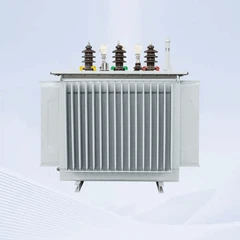
Even in storage, the transformer needs some maintenance. For oil - filled transformers, check the oil level periodically. If the oil level is low, top it up with the appropriate type of oil.
Inspect the oil for any signs of contamination. You can take a sample of the oil and send it to a laboratory for analysis. If the oil is contaminated, it may need to be replaced.
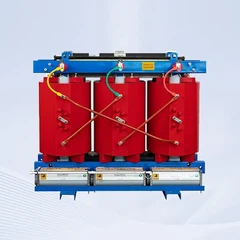
For dry - type transformers, check the insulation resistance. A low insulation resistance could indicate a problem with the insulation. You can use an insulation resistance tester for this.
6. Recommissioning the Transformer
When it's time to put the transformer back into service, there are a few steps to follow. First, remove the covers and desiccant bags. Inspect the transformer again for any damage that may have occurred during storage.
Check all the electrical connections and make sure they are still secure. If any components were removed for storage, reinstall them.
For oil - filled transformers, perform an oil analysis again to make sure the oil is still in good condition. If necessary, filter the oil to remove any contaminants.
Conduct a series of tests on the transformer, such as a turns ratio test, a winding resistance test, and an insulation test. These tests will help ensure that the transformer is functioning properly.
Our Product Range
We offer a wide range of substation power transformers. For example, we have the 146 MVA Battery Energy Storage System Transformer. This transformer is designed for battery energy storage systems and has high efficiency and reliability.
Another great product is the 69kV three - phase oil immersed power transformer. It's suitable for medium - voltage applications and has excellent performance.


We also have the China 121kv/50000 KVA Power Transformer. This transformer is a high - quality product that can meet the needs of large - scale power systems.
If you're looking for a distribution transformer, our Oil Immersed Distribution Power Transformer is a great choice. It's reliable and cost - effective.
And for dry - type transformers, we offer the SG(B)10 Non - encapsulated Dry - type Power Transformer. It has good insulation properties and is suitable for various applications.
Contact Us for Purchase
If you're interested in our substation power transformers or have any questions about long - term storage, feel free to reach out. We're here to help you make the right choice for your power needs.
References
- Electrical Power Transformer Engineering by Turan Gonen
- Handbook of Transformer Technology: Design, Application, and Testing by George E. McPherson and Robert D. Laramore
Send Inquiry