







How to optimize the operation of Distribution Transformers?
Jul 31, 2026
Leave a message
Yo, fellow power enthusiasts! I'm stoked to chat with you about optimizing the operation of distribution transformers. As a supplier in this game, I've seen firsthand the ins and outs of these crucial pieces of equipment. So, let's dive right in!
Understanding the Basics
First things first, what exactly are distribution transformers? Well, they're like the unsung heroes of the power grid. They take high-voltage electricity from the transmission lines and step it down to a lower voltage that's safe and usable for homes, businesses, and industries. Without them, our world would be a very dark and inefficient place.
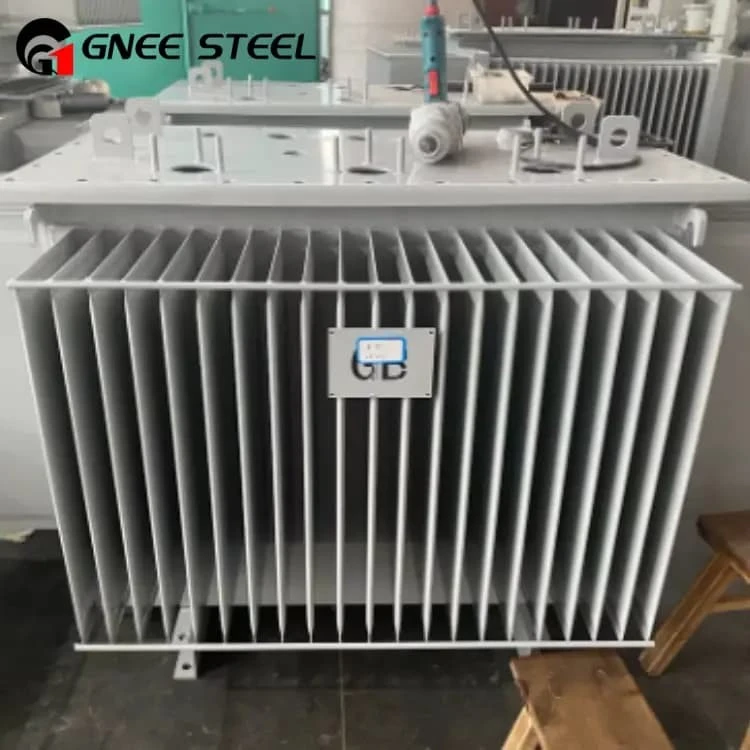

Now, there are different types of distribution transformers, each with its own unique features and benefits. For instance, the Hermetically Sealed Transformer is designed to be completely sealed, protecting it from moisture, dust, and other environmental factors. This makes it ideal for outdoor use or in harsh industrial environments.
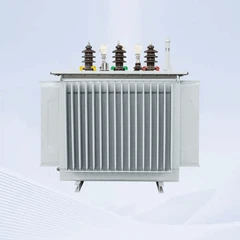
Another popular type is the S11 Oil Type Distribution Transformer. As the name suggests, it uses oil as a coolant and insulator. Oil-filled transformers are known for their high efficiency and reliability, making them a common choice for many power distribution applications.
Factors Affecting Transformer Operation
Before we get into the optimization strategies, let's take a quick look at the factors that can affect the operation of distribution transformers. Understanding these factors is key to ensuring that your transformers are running at their best.
- Load Management: One of the most important factors is the load on the transformer. Overloading a transformer can lead to overheating, which in turn can cause insulation damage and reduce the lifespan of the transformer. On the other hand, underloading a transformer can also be inefficient, as it may not be operating at its optimal efficiency point. So, it's crucial to manage the load carefully and ensure that the transformer is neither over nor underloaded.
- Temperature: Temperature is another critical factor. Transformers generate heat during operation, and if this heat isn't dissipated properly, it can cause problems. High temperatures can accelerate the aging of the insulation, increase the risk of short circuits, and even lead to transformer failure. That's why it's important to monitor the temperature of the transformer and ensure that it stays within the recommended operating range.
- Maintenance: Regular maintenance is essential for keeping distribution transformers in good working condition. This includes checking the oil level and quality, inspecting the insulation, and tightening any loose connections. By performing routine maintenance, you can identify and address potential issues before they become major problems.
Optimization Strategies
Now that we've covered the basics, let's talk about some strategies for optimizing the operation of distribution transformers.
- Load Balancing: As I mentioned earlier, load management is crucial. One way to optimize the load on a transformer is to balance it across multiple phases. This helps to ensure that each phase is carrying an equal amount of load, which can improve the efficiency of the transformer and reduce the risk of overloading.
- Energy-Efficient Transformers: Investing in energy-efficient transformers can also make a big difference. For example, the Amorphous Alloy Distribution Transformer uses a special type of alloy that has a very low core loss, which means it consumes less energy and generates less heat. This can result in significant energy savings over the lifespan of the transformer.
- Monitoring and Control: Implementing a monitoring and control system can help you keep a close eye on the performance of your transformers. This can include real-time monitoring of temperature, load, and other parameters, as well as the ability to remotely control the transformer. By having this data at your fingertips, you can quickly identify and address any issues that may arise.
- Proper Sizing: Choosing the right size of transformer for your application is also important. A transformer that is too small may not be able to handle the load, while a transformer that is too large may be inefficient. So, it's crucial to accurately calculate the load requirements and select a transformer that is appropriately sized.


Case Studies
To give you a better idea of how these optimization strategies can work in real-world scenarios, let's take a look at a couple of case studies.
- Case Study 1: A Small Business A small business was experiencing high electricity bills and frequent transformer failures. After conducting a load analysis, it was discovered that the transformer was overloaded. The business decided to upgrade to a larger, more energy-efficient transformer and implement load balancing measures. As a result, they were able to reduce their electricity bills by 20% and significantly improve the reliability of their power supply.
- Case Study 2: An Industrial Facility An industrial facility was using an old, inefficient transformer. They decided to replace it with a 500KVA 20KV Oil Immersed Electrical Distribution Transformer and implement a monitoring and control system. This allowed them to closely monitor the performance of the transformer and make adjustments as needed. As a result, they were able to reduce their energy consumption by 15% and extend the lifespan of the transformer.
Conclusion
Well, that's a wrap on optimizing the operation of distribution transformers. By understanding the factors that affect transformer operation and implementing the right optimization strategies, you can improve the efficiency, reliability, and lifespan of your transformers. And as a distribution transformer supplier, I'm here to help you every step of the way. Whether you're looking for a Hermetically Sealed Transformer, an S11 Oil Type Distribution Transformer, or any other type of transformer, I've got you covered.
If you're interested in learning more about our products or have any questions about optimizing your transformer operation, don't hesitate to reach out. We're always happy to chat and help you find the best solution for your needs. So, let's start the conversation and take your power distribution to the next level!
References
- IEEE Standards Association. Standards for Power Transformers.
- International Electrotechnical Commission (IEC). Codes and Standards for Electrical Transformers.
- Smith, J. (2022). Energy Efficiency in Power Distribution: A Practical Guide.
Remember, a well-optimized distribution transformer is the key to a reliable and efficient power supply. So, let's work together to make it happen!
Send Inquiry