







How to prevent fires in a substation transformer?
Jul 30, 2026
Leave a message
As a supplier of substation transformers, I've seen firsthand the importance of fire prevention in these critical pieces of equipment. Substation transformers play a crucial role in the power distribution system, stepping up or stepping down voltage as needed. But they also pose a significant fire risk if not properly maintained and monitored. In this blog, I'll share some practical tips on how to prevent fires in a substation transformer.


Understanding the Fire Risks in Substation Transformers
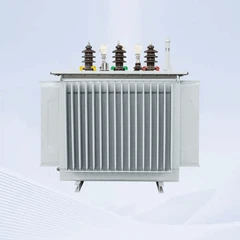
First off, let's talk about what makes substation transformers prone to fires. Most substation transformers are oil - filled. The oil serves two main purposes: it acts as an insulating medium and helps in cooling the transformer. However, this oil is flammable. If there's a fault in the transformer, like a short - circuit or an overheating component, it can heat up the oil to a point where it catches fire.
Another risk factor is the presence of electrical arcs. Electrical arcs generate a large amount of heat, and if they come into contact with the flammable oil or other combustible materials in the transformer, it can start a fire. Also, external factors such as lightning strikes can cause damage to the transformer, leading to internal faults and potentially fires.
Regular Maintenance and Inspection
One of the most effective ways to prevent fires in substation transformers is through regular maintenance and inspection. This should be done by trained professionals who know what to look for.
- Oil Testing: Regular oil testing is a must. The oil in the transformer can degrade over time, and contaminants can build up. By testing the oil, we can detect signs of impending problems, such as high acidity levels or the presence of combustible gases. For example, if the oil contains a large amount of hydrogen gas, it could indicate an internal fault. Based on the test results, we can decide whether to change the oil or take other corrective actions.
- Insulation Resistance Tests: Insulation resistance tests help us assess the condition of the transformer's insulation. A low insulation resistance value could mean that the insulation is damaged, which can lead to short - circuits and fires. These tests should be done at regular intervals to catch any deteriorating insulation before it's too late.
- Visual Inspections: A simple visual inspection can go a long way. Check for any signs of leaks, damaged components, or overheating. Look for discoloration on the transformer casing, which could indicate a hot spot. Inspect the bushings, which are the electrical connections that enter and exit the transformer, for cracks or other damage.
Proper Installation
The way a substation transformer is installed also plays a big role in fire prevention.
- Location: Choose a proper location for the transformer. It should be installed in a well - ventilated area to help dissipate heat. Keep it away from flammable materials and structures. For example, don't install it too close to a wooden shed or a pile of combustible electrical cables.
- Foundation and Mounting: Ensure that the transformer is properly mounted on a stable foundation. A wobbly transformer can cause mechanical stress on its components, which could lead to failures and eventually fires. The foundation should also be able to withstand the weight of the transformer and any loads that may act on it during operation.
Fire Protection Systems
Installing fire protection systems can be a lifesaver in case of a fire in the substation transformer.
- Fire Suppression Systems: There are different types of fire suppression systems available, such as water - based systems and foam - based systems. Water - based systems can quickly cool down the transformer and extinguish the fire, but they need to be designed carefully to avoid electrical shock. Foam - based systems are effective at smothering the fire and preventing re - ignition.
- Fire Detection Systems: Smoke detectors and heat detectors should be installed in and around the transformer. These detectors can sense the early signs of a fire and trigger an alarm. This gives the operators time to take action, such as shutting down the transformer or activating the fire suppression system.
Monitoring and Control
Continuous monitoring of the substation transformer is essential for fire prevention.
- Temperature Monitoring: Use temperature sensors to monitor the temperature of the transformer windings and the oil. If the temperature starts to rise abnormally, it could be a sign of a problem. Set up an alarm system so that operators are notified immediately when the temperature exceeds a safe limit.
- Load Monitoring: Keep an eye on the load on the transformer. Overloading a transformer can cause it to overheat, increasing the risk of a fire. If the load is approaching the transformer's capacity, take steps to redistribute the load or upgrade the transformer.
Training and Education
Last but not least, training and education are crucial. All personnel involved in the operation, maintenance, and inspection of substation transformers should be properly trained. They need to know how to recognize the signs of potential problems, how to perform maintenance tasks safely, and what to do in case of a fire.
At our company, we offer a wide range of substation transformers, including Compact Secondary Substations, YBW 10kV Outdoor European Prefabricated Substation, 20 MVA Oil Immersed Substation Transformer, 5000 KVA Oil Immersed Substation Transformer, and Electrical Substation Transformer. We're committed to providing high - quality transformers and safety solutions. If you're interested in purchasing substation transformers or need more information on fire prevention, feel free to reach out to us for a consultation. Our team is always ready to help you find the best solutions for your needs.
References
- "Electrical Power Transformer Engineering" by Theodore L. Wilson
- "Transformer Fire Protection Guide" published by an industry safety organization
- Technical manuals and guidelines from major transformer manufacturers
Send Inquiry