





Can an amorphous alloy transformer be retrofitted into an existing power system?
Aug 29, 2025
Leave a message
As a supplier of amorphous alloy transformers, I've encountered numerous inquiries regarding the feasibility of retrofitting these advanced transformers into existing power systems. This blog post aims to explore this topic in depth, providing insights based on scientific knowledge and practical experience.
Understanding Amorphous Alloy Transformers
Amorphous alloy transformers are a revolutionary advancement in power distribution technology. Unlike traditional transformers, which use silicon steel cores, amorphous alloy transformers employ a special amorphous metal alloy for their cores. This unique material has remarkable magnetic properties, which result in significantly lower core losses compared to conventional transformers.
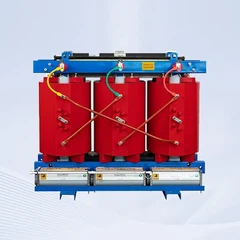
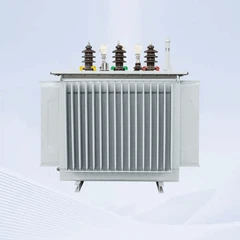
The S(B)H15-M Series Amorphous Alloy Distribution Transformer is a prime example of this technology. It offers high efficiency, reduced energy consumption, and a longer service life. Another notable product is the Amorphous Alloy Oil-immersed Transformer, which combines the benefits of amorphous alloy technology with the reliability of oil-immersed design. The S(B)H15 Three Phase Amorphous Alloy Distribution Transformer is also widely recognized for its excellent performance in three-phase power systems.
Advantages of Retrofitting Amorphous Alloy Transformers
Energy Efficiency
One of the most significant advantages of retrofitting amorphous alloy transformers is the potential for energy savings. Traditional transformers experience significant core losses due to the hysteresis and eddy currents in their silicon steel cores. In contrast, amorphous alloy transformers can reduce these losses by up to 70%, resulting in substantial energy savings over the long term. This not only reduces electricity costs for consumers but also contributes to a more sustainable and environmentally friendly power system.


Environmental Impact
The reduced energy consumption of amorphous alloy transformers also has a positive impact on the environment. By consuming less electricity, these transformers help to reduce greenhouse gas emissions associated with power generation. Additionally, the longer service life of amorphous alloy transformers means fewer replacements, which further reduces the environmental impact of transformer manufacturing and disposal.
Improved Power Quality
Amorphous alloy transformers can also improve the quality of power supplied to consumers. Their low core losses result in less heat generation, which reduces the risk of overheating and improves the reliability of the transformer. This, in turn, leads to a more stable and consistent power supply, reducing the likelihood of power outages and voltage fluctuations.
Cost Savings
Although the initial cost of amorphous alloy transformers may be higher than that of traditional transformers, the long-term cost savings can be significant. The energy savings alone can offset the higher upfront cost within a few years, and the longer service life of these transformers means fewer maintenance and replacement costs over time.
Challenges of Retrofitting Amorphous Alloy Transformers
Compatibility Issues
One of the main challenges of retrofitting amorphous alloy transformers into an existing power system is ensuring compatibility with the existing infrastructure. This includes factors such as voltage levels, load requirements, and protection systems. In some cases, modifications may be required to the existing power system to ensure that the new transformer can operate safely and efficiently.
Installation and Commissioning
Retrofitting a transformer is a complex process that requires careful planning and execution. It involves disconnecting the existing transformer, installing the new transformer, and commissioning it to ensure that it is operating correctly. This process can be time-consuming and may require the expertise of trained professionals.
Regulatory Requirements
In some regions, there may be regulatory requirements that need to be met before a new transformer can be installed. These requirements may include obtaining permits, conducting safety inspections, and complying with environmental regulations. It is important to be aware of these requirements and to ensure that all necessary approvals are obtained before proceeding with the retrofit.
Factors to Consider Before Retrofitting
Load Analysis
Before retrofitting an amorphous alloy transformer, it is important to conduct a detailed load analysis of the existing power system. This will help to determine the appropriate size and rating of the new transformer, ensuring that it can meet the current and future load requirements of the system.
Cost-Benefit Analysis
A cost-benefit analysis should also be conducted to evaluate the financial viability of the retrofit. This analysis should take into account the initial cost of the new transformer, the energy savings over the long term, and any other associated costs such as installation and maintenance.
Technical Feasibility
Finally, it is important to assess the technical feasibility of the retrofit. This includes evaluating the compatibility of the new transformer with the existing power system, the availability of suitable installation space, and the ability to connect the new transformer to the existing electrical network.
Conclusion
In conclusion, retrofitting amorphous alloy transformers into an existing power system is a viable option that offers numerous benefits. These include energy savings, environmental protection, improved power quality, and cost savings. However, it is important to carefully consider the challenges and factors involved before proceeding with a retrofit. By conducting a detailed load analysis, cost-benefit analysis, and technical feasibility study, it is possible to ensure that the retrofit is successful and that the new transformer can operate safely and efficiently in the existing power system.
If you are interested in learning more about our amorphous alloy transformers or discussing the possibility of retrofitting them into your existing power system, please feel free to contact us. Our team of experts is ready to assist you in making the right decision for your power distribution needs.
References
- "Amorphous Alloy Transformers: A Review of Technology and Applications," IEEE Transactions on Power Delivery.
- "Energy Efficiency of Amorphous Alloy Transformers in Distribution Networks," Journal of Power Sources.
- "Retrofitting Transformers for Improved Energy Efficiency," Electric Power Systems Research.
Send Inquiry