





Do dry transformers require special ventilation?
Sep 18, 2025
Leave a message
Dry transformers are widely used in various electrical systems due to their numerous advantages, such as high reliability, low maintenance requirements, and environmental friendliness. One of the key considerations in the installation and operation of dry transformers is ventilation. In this blog post, as a supplier of dry transformers, I will explore whether dry transformers require special ventilation and discuss the factors influencing this requirement.
The Basics of Dry Transformers
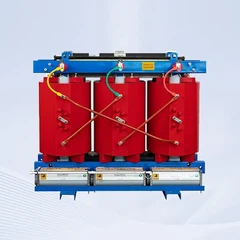
Dry transformers are designed to operate without the use of liquid insulation, such as oil. Instead, they use solid insulation materials, like epoxy resin, to isolate the windings. This design eliminates the risk of oil leakage and fire hazards associated with liquid - filled transformers, making them a safer choice for indoor installations, especially in areas with high population density or strict safety regulations.
The core and windings of a dry transformer generate heat during operation due to the electrical losses. These losses include copper losses in the windings and iron losses in the core. If this heat is not dissipated effectively, it can lead to an increase in the temperature of the transformer, which may reduce its efficiency, shorten its lifespan, and even cause damage to the insulation materials.
Do Dry Transformers Require Special Ventilation?
The short answer is yes, dry transformers generally require some form of ventilation. However, the degree of special ventilation needed depends on several factors.
Transformer Rating
The power rating of the dry transformer is a crucial factor. Larger transformers with higher power ratings, such as the China 3000KVA Encapsulated Dry Type Power Transformer and the 5000kVA 6.6kV Step Down Dry Type Transformer Supplier, generate more heat compared to smaller ones. As a result, they typically require more effective ventilation systems to maintain a safe operating temperature. For example, a 5000 kVA dry transformer may need a dedicated ventilation duct system to ensure proper air circulation and heat dissipation, while a smaller 200 kVA transformer like the 200kVA Epoxy - resin Insulation Dry - type Transformer may be able to rely on natural ventilation in some cases.
Installation Location
The location where the dry transformer is installed also plays a significant role. If the transformer is installed in a well - ventilated area, such as an open outdoor space, natural ventilation may be sufficient. The natural movement of air around the transformer can carry away the heat generated during operation. However, if the transformer is installed indoors, especially in a confined space with limited air circulation, special ventilation measures are usually necessary. Indoor installations may require the use of fans, blowers, or ventilation ducts to ensure that fresh air is constantly supplied to the transformer and the hot air is removed.
Ambient Temperature
The ambient temperature of the installation environment affects the ventilation requirements. In hot climates, the surrounding air is already at a high temperature, which makes it more difficult for the transformer to dissipate heat. In such cases, more powerful ventilation systems may be needed to maintain the transformer's temperature within the acceptable range. On the other hand, in cooler climates, the natural cooling effect of the ambient air may be more significant, reducing the need for complex ventilation arrangements.
Types of Ventilation for Dry Transformers
There are two main types of ventilation systems commonly used for dry transformers: natural ventilation and forced ventilation.
Natural Ventilation
Natural ventilation relies on the natural movement of air due to differences in temperature and pressure. Hot air rises, creating a natural draft that draws in cooler air from the surroundings. For small - to medium - sized dry transformers installed in well - ventilated areas, natural ventilation can be an effective and cost - efficient solution. However, it has limitations. It may not be sufficient for large transformers or in environments with high ambient temperatures or poor air circulation.
Forced Ventilation
Forced ventilation uses mechanical devices, such as fans or blowers, to enhance air circulation around the transformer. This type of ventilation can provide more consistent and effective heat dissipation, especially for high - power transformers or those installed in challenging environments. Forced ventilation systems can be designed to supply fresh air directly to the transformer's core and windings and exhaust the hot air out of the installation area.


Benefits of Proper Ventilation
Proper ventilation offers several benefits for dry transformers.
Extended Lifespan
By maintaining the transformer's temperature within the recommended range, proper ventilation helps to prevent thermal degradation of the insulation materials. This can significantly extend the lifespan of the transformer, reducing the need for frequent replacements and saving costs in the long run.
Improved Efficiency
Heat can cause an increase in the resistance of the transformer's windings, which leads to higher energy losses. Effective ventilation reduces the operating temperature, thereby improving the transformer's efficiency and reducing energy consumption.
Enhanced Safety
Overheating of a dry transformer can pose a safety risk, including the potential for insulation breakdown and fire. Adequate ventilation helps to minimize these risks, ensuring the safe operation of the transformer and the surrounding electrical system.
Design Considerations for Ventilation Systems
When designing a ventilation system for a dry transformer, several factors need to be considered.
Airflow Path
The ventilation system should be designed to ensure a smooth and unobstructed airflow path around the transformer. This may involve the proper placement of ventilation openings, ducts, and fans to direct the air in the most effective way.
Air Volume
The required air volume depends on the transformer's heat generation rate and the desired temperature rise. Calculations need to be made to determine the appropriate size and capacity of the ventilation system components, such as fans and ducts.
Filtration
In some environments, it may be necessary to install air filters in the ventilation system to prevent dust, dirt, and other contaminants from entering the transformer. These contaminants can accumulate on the windings and core, reducing the transformer's efficiency and potentially causing damage.
Conclusion
In conclusion, dry transformers generally require special ventilation to ensure their safe and efficient operation. The specific ventilation requirements depend on factors such as the transformer rating, installation location, and ambient temperature. As a supplier of dry transformers, we understand the importance of proper ventilation and can provide expert advice on the selection and design of ventilation systems for our products.
If you are considering purchasing a dry transformer or need more information about ventilation requirements, we invite you to contact us for a detailed discussion. Our team of experts is ready to assist you in making the right choice for your electrical system.
References
- IEEE Std C57.12.01™ - 2016, Standard General Requirements for Liquid - Immersed Distribution, Power, and Regulating Transformers
- IEC 60076 - 11:2004, Power transformers - Part 11: Dry - type transformers
Send Inquiry