





Can dry transformers be connected in parallel?
Sep 17, 2025
Leave a message
Can dry transformers be connected in parallel? This is a question that often arises in the electrical engineering field, especially for those involved in power distribution systems. As a supplier of dry transformers, I've encountered this query numerous times from customers, and I'm here to provide a comprehensive answer.


Understanding Dry Transformers
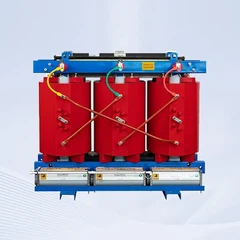
Before delving into the parallel connection, let's first understand what dry transformers are. Dry transformers are a type of transformer that does not use a liquid coolant. Instead, they rely on air or a solid insulation system to dissipate heat. These transformers are known for their safety, reliability, and environmental - friendliness, making them a popular choice in various applications such as commercial buildings, hospitals, and industrial facilities.
We offer a wide range of dry transformers, including SC(B) Series Resin Encapsulated Dry Type Transformers, Amorphous Alloy Dry - Type Transformers, and Epoxy Resin Transformer. Each type has its own unique features and advantages, but the question remains: can they be connected in parallel?
The Concept of Parallel Connection of Transformers
Connecting transformers in parallel means that the primary windings of multiple transformers are connected to the same voltage source, and the secondary windings are connected to the same load. The main purpose of parallel connection is to increase the total capacity of the power supply system, improve the reliability of the power supply, and achieve a more flexible power distribution.
Conditions for Parallel Connection of Dry Transformers
For dry transformers to be connected in parallel successfully, several conditions must be met:
1. Same Voltage Ratio
The voltage ratio of each transformer in parallel connection should be the same. The voltage ratio is defined as the ratio of the primary voltage to the secondary voltage. If the voltage ratios are different, there will be a circulating current between the transformers even when there is no load. This circulating current can cause additional losses, overheating, and reduce the efficiency of the transformers.
2. Same Percentage Impedance
The percentage impedance of the transformers should be as close as possible. The percentage impedance determines the load - sharing between the transformers. If the percentage impedances are significantly different, the transformer with lower impedance will carry more load, while the one with higher impedance will carry less load. This can lead to overloading of one transformer and under - utilization of the other.
3. Same Phase Sequence
The phase sequence of all transformers must be the same. Phase sequence refers to the order in which the three - phase voltages reach their maximum values. If the phase sequences are different, there will be a large circulating current in the secondary windings, which can cause serious damage to the transformers.
4. Same Polarity
The polarity of the transformers must be consistent. Polarity indicates the direction of the induced voltage in the windings. Incorrect polarity connection will result in a short - circuit condition when the transformers are connected in parallel.
Advantages of Parallel Connection of Dry Transformers
When the above conditions are met, parallel connection of dry transformers offers several advantages:
1. Increased Capacity
By connecting multiple dry transformers in parallel, the total capacity of the power supply system can be increased. This is particularly useful in situations where the load demand exceeds the capacity of a single transformer.
2. Improved Reliability
If one transformer fails in a parallel - connected system, the other transformers can still supply power to the load, although at a reduced capacity. This improves the overall reliability of the power supply system.
3. Flexibility in Operation
Parallel connection allows for more flexible operation. Transformers can be added or removed from the parallel system according to the load demand, which helps to optimize the energy consumption and reduce the operating costs.
Challenges and Considerations
Despite the advantages, there are also some challenges and considerations when connecting dry transformers in parallel:
1. Installation and Commissioning
Proper installation and commissioning are crucial for the successful parallel operation of dry transformers. All electrical connections must be made correctly, and the transformers must be carefully tested to ensure that they meet the parallel - connection conditions.
2. Monitoring and Maintenance
Continuous monitoring of the parallel - connected transformers is necessary to detect any potential problems such as circulating currents, overloading, or temperature rise. Regular maintenance should also be carried out to ensure the long - term reliability of the transformers.
3. Cost
Parallel connection of dry transformers may require additional equipment such as busbars, circuit breakers, and protection devices. This can increase the initial investment cost of the power supply system.
Our Experience as a Supplier
As a dry - transformer supplier, we have extensive experience in providing solutions for parallel - connected transformer systems. We have a team of professional engineers who can help customers select the appropriate transformers, ensure that the parallel - connection conditions are met, and provide technical support during the installation and commissioning process.
We understand that every customer's needs are unique, and we are committed to providing customized solutions. Whether you need to increase the capacity of your power supply system, improve the reliability, or achieve more flexible power distribution, our dry transformers can be a great choice for parallel connection.
Conclusion
In conclusion, dry transformers can be connected in parallel, but only when the specific conditions are met. Parallel connection offers many advantages such as increased capacity, improved reliability, and flexibility in operation. However, it also requires careful consideration of installation, monitoring, and cost.
If you are interested in parallel - connected dry - transformer solutions or have any questions about our products, such as SC(B) Series Resin Encapsulated Dry Type Transformers, Amorphous Alloy Dry - Type Transformers, or Epoxy Resin Transformer, please feel free to contact us for further discussion and procurement negotiation. We look forward to working with you to build a more efficient and reliable power supply system.
References
- Electrical Power Systems Quality, by Roger C. Dugan, Mark F. McGranaghan, Surya Santoso, and H. Wayne Beaty.
- Power System Analysis and Design, by J. Duncan Glover, Mulukutla S. Sarma, and Thomas J. Overbye.
Send Inquiry