







How to adjust the over - current protection of a distribution transformer?
Jun 20, 2025
Leave a message
As a supplier of distribution transformers, ensuring the proper functioning and safety of these crucial electrical devices is of utmost importance. One key aspect of maintaining distribution transformers is adjusting the over - current protection. In this blog, I will share some insights on how to adjust the over - current protection of a distribution transformer.
Understanding Over - Current Protection in Distribution Transformers
Over - current protection is a safety mechanism designed to safeguard the distribution transformer from excessive current flow. Excessive current can be caused by various factors such as short - circuits, overloads, or faults in the electrical system. When an over - current situation occurs, if not properly protected, it can lead to overheating, insulation damage, and ultimately, the failure of the transformer.
There are different types of over - current protection devices commonly used in distribution transformers, including fuses, circuit breakers, and relays. Each of these devices has its own characteristics and applications.
Fuses
Fuses are one of the simplest and most widely used over - current protection devices. They consist of a metal strip or wire that melts when the current exceeds a certain value, thus breaking the circuit. When adjusting the over - current protection using fuses, it is essential to select the appropriate fuse rating. The fuse rating should be carefully chosen based on the transformer's rated current, load characteristics, and the short - circuit current of the system.
For example, if the transformer has a rated current of 500 A, a fuse with a rating slightly higher than the normal operating current should be selected. However, it should not be too high, as this may not provide adequate protection during an over - current event. A common practice is to select a fuse with a rating of 1.2 - 1.5 times the transformer's rated current for normal load conditions.
Circuit Breakers
Circuit breakers are more advanced over - current protection devices compared to fuses. They can automatically open the circuit when an over - current occurs and can be reset after the fault is cleared. When adjusting the over - current protection of a distribution transformer using circuit breakers, there are several parameters to consider.
The trip current setting is the most critical parameter. It determines the level of current at which the circuit breaker will trip. Similar to fuses, the trip current setting should be based on the transformer's rated current and the expected short - circuit current. In addition, the time - current characteristic of the circuit breaker also needs to be adjusted. Different types of circuit breakers have different time - current curves, such as instantaneous, short - time, and long - time curves.
For a distribution transformer supplying a continuous load, a circuit breaker with a long - time over - current setting may be more appropriate. This setting allows the circuit breaker to tolerate a certain level of over - current for a short period without tripping, which is useful for handling temporary load surges. On the other hand, for a transformer in a system with a high short - circuit current, an instantaneous over - current setting may be required to quickly isolate the fault.
Relays
Relays are intelligent over - current protection devices that can provide more precise and flexible protection. They can be used in combination with circuit breakers to enhance the over - current protection performance. When adjusting the over - current protection using relays, a variety of settings can be configured.
The relay can be set to detect different types of over - current conditions, such as phase - to - phase over - current, phase - to - ground over - current, and negative - sequence over - current. Each of these settings can be adjusted independently based on the specific requirements of the distribution system.
For instance, in a three - phase distribution system, a negative - sequence over - current relay can be used to detect unbalanced loads. By adjusting the negative - sequence current setting, the relay can trip the circuit breaker when the unbalanced current exceeds a certain limit, protecting the transformer from potential damage caused by unbalanced loads.
Considerations for Different Types of Distribution Transformers
When adjusting the over - current protection, it is also important to consider the type of distribution transformer.


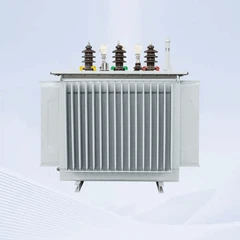
2000 KVA Oil Type Power Distribution Transformer
The 2000 KVA Oil Type Power Distribution Transformer is a large - capacity transformer commonly used in industrial and commercial power distribution systems. Due to its high capacity, it is more likely to experience high short - circuit currents. Therefore, when adjusting the over - current protection, the protection devices need to be able to handle these high - magnitude currents.
The fuse or circuit breaker rating should be selected based on the transformer's full - load current and the maximum short - circuit current that the system can withstand. In addition, for oil - type transformers, the protection system should also be designed to prevent overheating of the oil, as excessive current can cause the oil temperature to rise rapidly.
Pole Mounted Distribution Transformers
Pole Mounted Distribution Transformers are often used in rural and suburban areas. These transformers are usually exposed to the environment and may be subject to more frequent load fluctuations. When adjusting the over - current protection for pole - mounted transformers, the protection devices should be able to tolerate short - term load surges caused by sudden changes in load demand.
For example, during peak load periods, the transformer may experience a temporary increase in current. The over - current protection should be set in such a way that it does not trip unnecessarily during these short - term surges. A time - delay setting in the circuit breaker or relay can be used to achieve this.
Small Distribution Transformers
Small Distribution Transformers are typically used for residential and small - scale commercial applications. These transformers have relatively low capacity and are more sensitive to over - current events. When adjusting the over - current protection for small distribution transformers, the protection devices should be more sensitive and have a lower trip current setting.
For instance, a small distribution transformer with a rated current of 100 A may require a fuse or circuit breaker with a rating of 1.1 - 1.3 times the rated current to provide adequate protection.
Steps for Adjusting Over - Current Protection
- System Analysis: Before making any adjustments, conduct a thorough analysis of the electrical system. Determine the transformer's rated current, load characteristics, short - circuit current, and the overall system configuration.
- Device Selection: Based on the system analysis, select the appropriate over - current protection device (fuse, circuit breaker, or relay) and the corresponding ratings.
- Setting Adjustment: If using circuit breakers or relays, adjust the relevant settings such as trip current, time - current characteristics, and other parameters according to the system requirements.
- Testing: After the adjustment, conduct tests to ensure that the over - current protection system functions properly. This may include performing short - circuit tests and load tests to verify the trip performance of the protection devices.
- Monitoring and Maintenance: Regularly monitor the over - current protection system to ensure that it continues to operate correctly. Perform maintenance tasks such as checking the condition of fuses, circuit breakers, and relays, and replacing any worn - out components.
Conclusion
Adjusting the over - current protection of a distribution transformer is a complex but crucial task. By understanding the different types of over - current protection devices, considering the characteristics of different types of transformers, and following the proper adjustment steps, we can ensure the safe and reliable operation of distribution transformers.
If you are in the market for high - quality distribution transformers or need more information on over - current protection adjustment, we are here to assist you. Contact us to discuss your specific requirements and let us help you find the best solutions for your electrical distribution needs.
References
- Electrical Power Systems Engineering Handbook, Second Edition, by Turan Gonen
- Handbook of Transformer Engineering: Design, Technology, and Diagnostics, by G. R. Slemon and M. S. Sachdev
Send Inquiry