





How to choose a compact substation transformer?
Sep 22, 2025
Leave a message
Hey there! As a supplier of Compact Substation Transformers, I've seen firsthand how crucial it is to make the right choice when it comes to these essential pieces of equipment. In this blog, I'm gonna walk you through the key factors you need to consider when selecting a compact substation transformer.
Understanding Your Power Requirements
The very first thing you gotta do is figure out your power needs. This means looking at the load you'll be powering. Are you dealing with a small commercial space, a large industrial facility, or something in between? You need to know the total power demand in kilowatts (kW) or kilovolt - amperes (kVA).
For example, if you're running a small office building with a few computers, lights, and some basic equipment, your power requirements will be relatively low. On the other hand, an industrial plant with heavy machinery will need a much larger transformer. A 5000 KVA Oil Immersed Substation Transformer might be a good fit for larger industrial applications, but it would be overkill for a small business.
Voltage Levels
Another super important factor is the voltage levels. You need to match the input and output voltages of the transformer with your existing power system and the equipment you're powering. There are step - up and step - down transformers. A Step - up Substation is used to increase the voltage, which is often necessary when transmitting power over long distances. A step - down transformer, as the name suggests, reduces the voltage to a level that's safe and suitable for your equipment.
Make sure you know the primary and secondary voltage requirements. If you get this wrong, it can lead to equipment damage, inefficiency, and even safety hazards. You might need to consult with an electrical engineer to accurately determine the right voltage levels for your situation.
Transformer Type
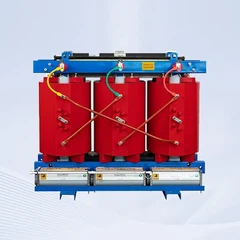
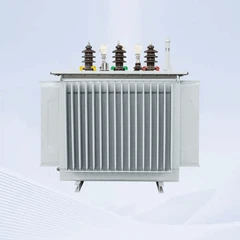
There are different types of compact substation transformers, and each has its own pros and cons. The two main types are dry - type and oil - immersed transformers.
Dry - type transformers are great for indoor use because they don't use oil, which means there's no risk of oil spills or fires. They're also more environmentally friendly. However, they're generally more expensive and have a lower power capacity compared to oil - immersed transformers.
Oil - immersed transformers, on the other hand, are more commonly used for outdoor applications and larger power requirements. They're more efficient at dissipating heat, which allows them to handle higher loads. But you need to be careful with the oil, as it can be a fire hazard if not properly maintained.
Size and Space Constraints
As the name suggests, compact substation transformers are designed to take up less space. But you still need to make sure you have enough room for the transformer and its associated equipment. Consider the physical dimensions of the transformer, including its height, width, and depth. You also need to think about ventilation requirements, especially for oil - immersed transformers.
If you're short on space, you might want to look into Compact Substations (E - House). These are pre - fabricated units that house the transformer and other electrical components in a single, compact enclosure. They're a great solution for sites where space is limited.
Efficiency and Losses
Efficiency is a big deal when it comes to transformers. A more efficient transformer will use less energy, which can save you money in the long run. Transformers have two main types of losses: no - load losses and load losses.
No - load losses occur even when the transformer is not supplying any power to the load. These losses are mainly due to the magnetization of the core. Load losses, on the other hand, occur when the transformer is supplying power to the load and are related to the resistance of the windings.
Look for transformers with low no - load and load losses. High - efficiency transformers might cost a bit more upfront, but the energy savings over time can more than make up for the initial investment.
Cooling Requirements
Proper cooling is essential to keep the transformer operating at a safe temperature. As I mentioned earlier, dry - type transformers rely on natural or forced air cooling, while oil - immersed transformers use oil for cooling.
For oil - immersed transformers, you need to make sure the oil is clean and at the right level. You also need to have a proper cooling system in place, such as radiators or fans. If the transformer gets too hot, it can lead to insulation breakdown and eventually failure.
Maintenance and Serviceability
Maintenance is an ongoing cost and effort when it comes to transformers. You want a transformer that's easy to maintain and service. Look for transformers with accessible components, such as terminals and bushings.
You also need to consider the availability of spare parts and the support of the manufacturer. A good supplier will offer technical support and have a stock of spare parts readily available. Regular maintenance, such as oil testing for oil - immersed transformers and visual inspections for dry - type transformers, can help extend the life of the transformer and prevent costly breakdowns.


Cost
Of course, cost is always a factor. But don't just go for the cheapest option. You need to consider the total cost of ownership, which includes the purchase price, installation costs, operating costs (such as energy consumption), and maintenance costs.
A high - quality, efficient transformer might cost more upfront but can save you money in the long run through lower energy bills and less maintenance. Compare the prices of different transformers based on their features and performance to find the best value for your money.
Safety Features
Safety should be a top priority when choosing a compact substation transformer. Look for transformers with features like over - current protection, over - voltage protection, and short - circuit protection. These features can prevent damage to the transformer and the connected equipment and reduce the risk of electrical fires and accidents.
Some transformers also come with built - in monitoring systems that can detect problems early and alert you or your maintenance team. This can help you take proactive measures to avoid costly downtime.
Manufacturer Reputation
The reputation of the manufacturer matters a lot. You want to work with a supplier that has a proven track record of producing high - quality transformers. Look for reviews and testimonials from other customers. A reliable manufacturer will stand behind their products and offer a good warranty.
At our company, we've been in the business for years, and we're committed to providing top - notch compact substation transformers. We have a team of experts who can help you choose the right transformer for your needs and provide ongoing support.
If you're in the market for a compact substation transformer, I encourage you to get in touch with us. We can have a detailed discussion about your requirements and help you make an informed decision. Whether you're a small business owner or managing a large industrial project, we have the expertise and the products to meet your needs. Let's talk about how we can provide you with the perfect compact substation transformer for your application.
References
- Electrical Power Systems by Turan Gonen
- Transformer Engineering: Design, Technology, and Diagnostics by George J. Anders
Send Inquiry