





How to dispose of old Distribution Transformers?
Jun 30, 2025
Leave a message
Disposing of old distribution transformers is a crucial aspect of maintaining a sustainable and safe electrical infrastructure. As a supplier of distribution transformers, I understand the importance of proper disposal methods to minimize environmental impact and ensure compliance with regulations. In this blog, I will discuss the various steps and considerations involved in disposing of old distribution transformers.
Understanding the Components of Distribution Transformers
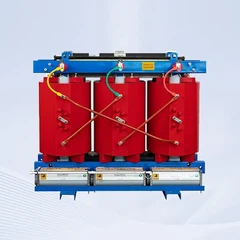
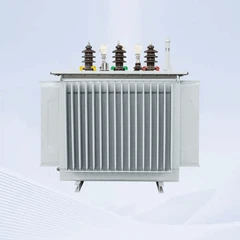
Before delving into the disposal process, it's essential to understand the components of distribution transformers. These transformers typically consist of a core, windings, insulation materials, and a tank filled with insulating oil. The core is usually made of laminated steel, which helps to reduce eddy current losses. The windings are made of copper or aluminum conductors, and the insulation materials are used to prevent electrical short circuits. The insulating oil serves as a coolant and provides additional electrical insulation.
Environmental and Safety Concerns
One of the primary concerns when disposing of old distribution transformers is the potential environmental impact. Many older transformers contain polychlorinated biphenyls (PCBs), which are toxic chemicals that can persist in the environment for long periods. PCBs have been linked to various health problems, including cancer, reproductive disorders, and immune system damage. Therefore, it's crucial to ensure that old transformers are disposed of in a way that minimizes the release of PCBs into the environment.
In addition to environmental concerns, safety is also a significant issue when handling old distribution transformers. The insulating oil in transformers can be flammable, and there is a risk of explosion if the transformer is not handled properly. Therefore, it's essential to follow all safety procedures when disposing of old transformers, including wearing appropriate personal protective equipment (PPE) and using proper handling equipment.
Disposal Options
There are several options available for disposing of old distribution transformers, depending on the condition of the transformer and the presence of PCBs. The following are some of the most common disposal options:
Recycling
Recycling is one of the most environmentally friendly options for disposing of old distribution transformers. The components of the transformer, such as the core, windings, and tank, can be recycled and reused in the manufacturing of new transformers or other products. Recycling helps to conserve natural resources and reduce the amount of waste sent to landfills.


To recycle a distribution transformer, the first step is to drain the insulating oil from the transformer. The oil can then be treated to remove any contaminants, such as PCBs, and reused or disposed of properly. The remaining components of the transformer can then be disassembled and sent to a recycling facility.
Disposal in a Landfill
If a distribution transformer is not suitable for recycling, it may need to be disposed of in a landfill. However, this option should only be used as a last resort, as landfilling can have a significant environmental impact. Before disposing of a transformer in a landfill, it's essential to ensure that the transformer is free of PCBs and other hazardous materials.
To dispose of a transformer in a landfill, the first step is to drain the insulating oil from the transformer. The oil can then be treated to remove any contaminants, such as PCBs, and disposed of properly. The remaining components of the transformer can then be crushed and buried in a landfill.
Incineration
Incineration is another option for disposing of old distribution transformers. Incineration involves burning the transformer at high temperatures to destroy any hazardous materials, such as PCBs. However, incineration can also have a significant environmental impact, as it can release pollutants into the air.
Before incinerating a distribution transformer, it's essential to ensure that the transformer is free of PCBs and other hazardous materials. The transformer should also be incinerated in a facility that is equipped to handle hazardous waste and comply with all environmental regulations.
Regulatory Requirements
When disposing of old distribution transformers, it's essential to comply with all applicable regulatory requirements. In the United States, the Environmental Protection Agency (EPA) regulates the disposal of PCBs and other hazardous materials. The EPA has established strict guidelines for the handling, storage, and disposal of PCBs, and it's essential to follow these guidelines to avoid penalties and fines.
In addition to federal regulations, there may also be state and local regulations that apply to the disposal of old distribution transformers. Therefore, it's essential to check with your local environmental agency to determine the specific requirements in your area.
Working with a Professional Disposal Company
Disposing of old distribution transformers can be a complex and dangerous process. Therefore, it's recommended that you work with a professional disposal company that has experience in handling and disposing of hazardous waste. A professional disposal company can help you to determine the best disposal option for your transformers, ensure that all regulatory requirements are met, and provide you with the necessary documentation to prove that the transformers were disposed of properly.
When choosing a disposal company, it's important to look for a company that is licensed and insured, has a good reputation in the industry, and uses environmentally friendly disposal methods. You should also ask the company for references and check their track record to ensure that they have a history of providing high-quality services.
Conclusion
Disposing of old distribution transformers is a crucial aspect of maintaining a sustainable and safe electrical infrastructure. As a supplier of distribution transformers, I understand the importance of proper disposal methods to minimize environmental impact and ensure compliance with regulations. By following the steps and considerations outlined in this blog, you can ensure that your old distribution transformers are disposed of in a safe and environmentally friendly manner.
If you are in need of distribution transformers, we offer a wide range of products, including Single Phase Pole Type Distribution Transformer, Power Distribution Transformers, and 50KVA/10KV Laminated Core Distribution Transformer. Our transformers are designed to meet the highest standards of quality and reliability, and we are committed to providing our customers with the best possible service.
If you have any questions or would like to learn more about our products or services, please feel free to contact us. We look forward to working with you to meet your distribution transformer needs.
References
- Environmental Protection Agency. (n.d.). Polychlorinated Biphenyls (PCBs). Retrieved from https://www.epa.gov/pcbs
- Occupational Safety and Health Administration. (n.d.). Hazardous Waste Operations and Emergency Response (HAZWOPER). Retrieved from https://www.osha.gov/hazwoper
- Institute of Electrical and Electronics Engineers. (n.d.). IEEE Standards for Power and Distribution Transformers. Retrieved from https://standards.ieee.org/topic/power_transformers.html
Send Inquiry