







How often should pole mounted transformers be maintained?
Jun 30, 2025
Leave a message
As a seasoned supplier of pole mounted transformers, I've often been asked the question: How often should pole mounted transformers be maintained? This is a critical inquiry that impacts the efficiency, safety, and longevity of these essential electrical components. In this blog, I'll draw on my years of experience and industry knowledge to provide a comprehensive answer.
Understanding Pole Mounted Transformers
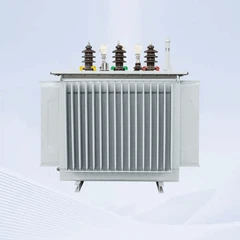
Before delving into maintenance schedules, it's important to understand what pole mounted transformers are and their role in the electrical grid. Pole mounted transformers are typically used in distribution networks to step down high-voltage electricity from power lines to a lower voltage suitable for residential and commercial use. They are usually installed on utility poles and come in various types, such as Oil Immersed Single Phase Pole Mounted Transformer, Pole Distribution Transformer, and 10kVA 15kVA Pole Mounted Transformer.
These transformers are exposed to a variety of environmental conditions, including extreme temperatures, humidity, and pollution. Over time, these factors can cause wear and tear on the transformer's components, leading to potential failures if not properly maintained.
Factors Affecting Maintenance Frequency
Several factors influence how often pole mounted transformers should be maintained. Here are some of the key considerations:
Environmental Conditions
Transformers located in harsh environments, such as areas with high levels of pollution, saltwater exposure, or extreme temperatures, may require more frequent maintenance. For example, transformers in coastal regions are at a higher risk of corrosion due to saltwater exposure, while those in industrial areas may be exposed to pollutants that can damage the insulation.
Load Conditions
The amount of electrical load that a transformer carries also affects its maintenance requirements. Transformers that are consistently operating at or near their maximum capacity are more likely to experience wear and tear and may need more frequent maintenance. On the other hand, transformers with a relatively light load may require less frequent maintenance.
Age of the Transformer
As transformers age, their components naturally degrade, and the risk of failure increases. Older transformers may require more frequent maintenance to ensure their continued safe and reliable operation. In general, it's recommended to perform more thorough inspections and maintenance on transformers that are approaching or have exceeded their expected service life.
Manufacturer's Recommendations
The manufacturer of the transformer typically provides guidelines on maintenance schedules and procedures. These recommendations are based on the design and specifications of the transformer and should be followed as closely as possible. Ignoring the manufacturer's recommendations can void the warranty and increase the risk of premature failure.
General Maintenance Schedules
While the specific maintenance requirements for pole mounted transformers can vary depending on the factors mentioned above, here are some general guidelines on maintenance schedules:
Visual Inspections
Visual inspections should be performed on a regular basis, typically at least once a year. During a visual inspection, the transformer should be checked for signs of physical damage, such as cracks, leaks, or corrosion. The connections should also be inspected for tightness and signs of overheating.
Oil Sampling and Testing
For oil-immersed transformers, oil sampling and testing should be performed every 1 to 3 years, depending on the age and condition of the transformer. The oil in the transformer acts as an insulator and coolant, and over time, it can break down and become contaminated. Regular oil testing can detect early signs of problems and help prevent major failures.
Electrical Testing
Electrical testing, such as insulation resistance testing and turns ratio testing, should be performed every 3 to 5 years. These tests can help identify potential issues with the transformer's electrical components and ensure that it is operating within acceptable parameters.
Comprehensive Maintenance
A comprehensive maintenance overhaul, including a thorough inspection, cleaning, and replacement of worn components, should be performed every 5 to 10 years. This type of maintenance is more extensive and may require the transformer to be taken out of service for a period of time.
Importance of Regular Maintenance
Regular maintenance of pole mounted transformers is essential for several reasons:
Safety
A well-maintained transformer is less likely to fail, reducing the risk of electrical fires, shocks, and other safety hazards. By detecting and addressing potential problems early, regular maintenance helps ensure the safety of both the public and utility workers.
Reliability
Transformers are a critical component of the electrical grid, and any failure can result in power outages. Regular maintenance helps keep transformers operating at peak efficiency and reduces the likelihood of unexpected failures, ensuring a reliable supply of electricity to consumers.
Cost Savings
While maintenance does require an investment of time and resources, it can actually save money in the long run. By preventing major failures and extending the lifespan of the transformer, regular maintenance can reduce the need for costly replacements and minimize downtime.


Conclusion
In conclusion, the frequency of maintenance for pole mounted transformers depends on a variety of factors, including environmental conditions, load conditions, age, and manufacturer's recommendations. By following a regular maintenance schedule and performing the necessary inspections and tests, you can ensure the safety, reliability, and longevity of your transformers.
If you're in the market for high-quality pole mounted transformers or need assistance with maintenance and servicing, I encourage you to reach out to us. Our team of experts is dedicated to providing the best products and services to meet your needs. Contact us today to discuss your requirements and explore how we can help you ensure the optimal performance of your electrical infrastructure.
References
- Electrical Power Systems Quality, Third Edition, by Roger C. Dugan, Mark F. McGranaghan, Surya Santoso, and H. Wayne Beaty.
- IEEE Guide for Loading Mineral-Oil-Immersed Transformers, IEEE Std C57.91-2011.
- ANSI/IEEE C57.12.00-2010, American National Standard Requirements for Liquid-Immersed Distribution, Power, and Regulating Transformers.
Send Inquiry