





How to ensure the proper ventilation of an amorphous alloy transformer room?
Jul 15, 2025
Leave a message
As a reputable supplier of Amorphous Alloy Transformers, I understand the critical role that proper ventilation plays in ensuring the optimal performance and longevity of these advanced electrical devices. In this blog, I will share valuable insights on how to ensure the proper ventilation of an amorphous alloy transformer room, drawing on my experience in the industry and the latest research findings.
Understanding the Importance of Ventilation
Amorphous alloy transformers are known for their high energy efficiency and low no-load losses, making them a popular choice for a wide range of applications. However, like all electrical equipment, they generate heat during operation. If this heat is not effectively dissipated, it can lead to a number of problems, including reduced efficiency, premature aging of the transformer components, and even the risk of fire.
Proper ventilation is essential for maintaining a safe and stable operating temperature in the transformer room. By removing the heat generated by the transformer, ventilation helps to prevent overheating and ensures that the transformer can operate at its peak performance. In addition, ventilation also helps to remove any potentially harmful gases or vapors that may be produced during the operation of the transformer, protecting the health and safety of the personnel working in the area.
Factors Affecting Ventilation
Before designing a ventilation system for an amorphous alloy transformer room, it is important to consider a number of factors that can affect the effectiveness of the ventilation. These factors include:
- Transformer Rating: The size and rating of the transformer will determine the amount of heat that is generated during operation. Larger transformers will typically generate more heat and require a more robust ventilation system.
- Room Size and Layout: The size and layout of the transformer room will also affect the ventilation requirements. A larger room will require more ventilation to ensure that the heat is evenly distributed and removed. In addition, the layout of the room, including the location of the transformer, doors, and windows, can also affect the airflow patterns and the effectiveness of the ventilation system.
- Ambient Temperature and Humidity: The ambient temperature and humidity in the area where the transformer room is located will also affect the ventilation requirements. Higher temperatures and humidity levels will require more ventilation to maintain a safe and stable operating temperature in the room.
- Ventilation System Design: The design of the ventilation system, including the type of fans, ducts, and vents used, will also affect the effectiveness of the ventilation. A well-designed ventilation system will ensure that the airflow is evenly distributed and that the heat is effectively removed from the room.
Designing a Ventilation System
Based on the factors discussed above, the following steps can be taken to design an effective ventilation system for an amorphous alloy transformer room:
- Calculate the Heat Load: The first step in designing a ventilation system is to calculate the heat load generated by the transformer. This can be done by using the manufacturer's specifications or by conducting a heat transfer analysis. The heat load will determine the amount of ventilation required to maintain a safe and stable operating temperature in the room.
- Determine the Ventilation Rate: Once the heat load has been calculated, the next step is to determine the ventilation rate required to remove the heat from the room. This can be done by using the following formula:
Ventilation Rate (CFM) = Heat Load (BTU/hr) / (1.08 x ΔT)
Where:
- CFM = Cubic Feet per Minute
- BTU/hr = British Thermal Units per Hour
- ΔT = Temperature Difference between the inlet and outlet air
- Select the Ventilation Equipment: Based on the ventilation rate calculated in the previous step, the next step is to select the appropriate ventilation equipment, including fans, ducts, and vents. The ventilation equipment should be sized to meet the ventilation requirements of the room and should be designed to provide a uniform airflow distribution.
- Design the Ductwork: The ductwork should be designed to minimize the pressure drop and to ensure that the airflow is evenly distributed throughout the room. The ductwork should also be insulated to prevent heat loss and to reduce the noise level.
- Install the Ventilation System: Once the ventilation equipment and ductwork have been selected and designed, the next step is to install the ventilation system. The installation should be carried out by a qualified professional to ensure that the system is installed correctly and that it meets all the relevant safety standards.
Types of Ventilation Systems
There are several types of ventilation systems that can be used for an amorphous alloy transformer room, including:
- Natural Ventilation: Natural ventilation is the simplest and most cost-effective type of ventilation system. It relies on the natural movement of air through the room, driven by differences in temperature and pressure. Natural ventilation can be achieved by installing windows, vents, or louvers in the walls or roof of the room.
- Mechanical Ventilation: Mechanical ventilation uses fans and ducts to move air through the room. This type of ventilation system is more effective than natural ventilation and can be used to provide a more precise control of the airflow and temperature in the room. Mechanical ventilation systems can be further classified into two types:
- Exhaust Ventilation: Exhaust ventilation systems use fans to remove the hot air from the room. This type of system is typically used in rooms where the heat load is relatively low.
- Supply Ventilation: Supply ventilation systems use fans to supply fresh air to the room. This type of system is typically used in rooms where the heat load is relatively high or where there is a need to maintain a positive pressure in the room.
- Hybrid Ventilation: Hybrid ventilation systems combine the advantages of natural and mechanical ventilation. These systems use natural ventilation to provide the majority of the ventilation requirements, with mechanical ventilation used as a backup or to provide additional ventilation when needed.
Maintenance and Monitoring
Once the ventilation system has been installed, it is important to carry out regular maintenance and monitoring to ensure that the system is operating effectively. This includes:


- Inspecting the Ventilation Equipment: The ventilation equipment, including fans, ducts, and vents, should be inspected regularly to ensure that they are clean and in good working condition. Any damaged or worn parts should be replaced immediately.
- Checking the Airflow: The airflow in the room should be checked regularly to ensure that it is evenly distributed and that the ventilation system is providing the required ventilation rate. This can be done by using an anemometer or by conducting a smoke test.
- Monitoring the Temperature and Humidity: The temperature and humidity in the room should be monitored regularly to ensure that they are within the acceptable range. This can be done by using a thermometer and a hygrometer.
- Cleaning the Ductwork: The ductwork should be cleaned regularly to remove any dust, dirt, or debris that may have accumulated. This will help to ensure that the airflow is not restricted and that the ventilation system is operating effectively.
Conclusion
Proper ventilation is essential for ensuring the optimal performance and longevity of an amorphous alloy transformer. By understanding the importance of ventilation, considering the factors that affect ventilation, designing an effective ventilation system, and carrying out regular maintenance and monitoring, you can ensure that your transformer room is properly ventilated and that your transformer is operating at its peak performance.
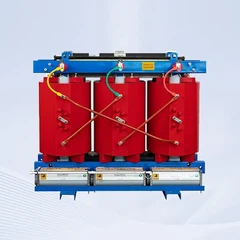
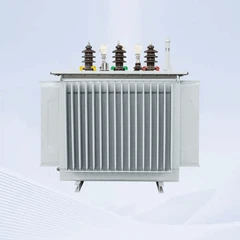
If you are interested in learning more about our 500 KVA Dry Type Amorphous Alloy Transformer, Oil-Immersed Amorphous Alloy Transformer, or Amorphous Alloy Distribution Transformer, or if you have any questions about ventilation systems for transformer rooms, please do not hesitate to contact us. Our team of experts will be happy to assist you with your needs.
References
- IEEE Standard for Ventilation of Enclosed Power Transformers, IEEE Std C57.12.00-2010.
- ASHRAE Handbook - HVAC Systems and Equipment, American Society of Heating, Refrigerating and Air-Conditioning Engineers, Inc.
- NFPA 70: National Electrical Code, National Fire Protection Association.
Send Inquiry