





What is the role of the temperature indicator in a distribution transformer?
Jul 15, 2025
Leave a message
As a seasoned provider of distribution transformers, I've witnessed firsthand the pivotal role that temperature indicators play in the efficient and safe operation of these critical electrical assets. In this blog post, I'll delve into the significance of temperature indicators in distribution transformers, exploring their functions, benefits, and the impact they have on overall performance.
Understanding Distribution Transformers
Before we dive into the role of temperature indicators, let's briefly review what distribution transformers are and why they are essential. Distribution transformers are electrical devices that step down high-voltage electricity from the transmission network to a lower voltage suitable for use in homes, businesses, and industries. They are typically located near the end-users of electricity, such as substations, commercial buildings, and residential areas.
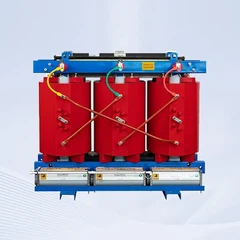
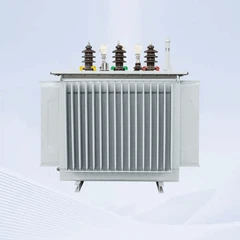
Distribution transformers come in various types and sizes, including Substation Distribution Transformers, High Standard 11kv Transformer 700kva Oil Immersed Power Transformer, and Dry Type Distribution Transformer. Each type has its own unique characteristics and applications, but they all share the common goal of providing reliable and efficient power distribution.
The Importance of Temperature Monitoring
One of the most critical factors affecting the performance and lifespan of a distribution transformer is its operating temperature. Transformers generate heat during normal operation due to the resistance of the electrical conductors and the magnetic losses in the core. If the temperature of the transformer exceeds its designed limits, it can lead to a variety of problems, including:
- Reduced Efficiency: As the temperature of the transformer increases, the resistance of the electrical conductors also increases, which results in higher energy losses and reduced efficiency. This can lead to increased operating costs and decreased profitability for the utility or end-user.
- Insulation Degradation: The insulation materials used in transformers are designed to withstand a certain temperature range. If the temperature exceeds this range, the insulation can degrade over time, leading to reduced dielectric strength and increased risk of electrical breakdown. This can result in costly repairs or even complete failure of the transformer.
- Overloading: High temperatures can also indicate that the transformer is being overloaded, which can cause further damage to the equipment and increase the risk of a power outage. Overloading can occur due to a variety of factors, including increased demand for electricity, improper sizing of the transformer, or malfunctioning protective devices.
To prevent these problems from occurring, it is essential to monitor the temperature of the distribution transformer continuously and take appropriate action if the temperature exceeds the designed limits. This is where temperature indicators come in.
Functions of Temperature Indicators
Temperature indicators are devices that are used to measure and display the temperature of the distribution transformer. They typically consist of a temperature sensor, a signal processing unit, and a display or output device. The temperature sensor is usually located inside the transformer tank or on the surface of the windings, where it can accurately measure the temperature of the hottest spot in the transformer.
The signal processing unit receives the temperature signal from the sensor and converts it into a readable format, such as a digital display or an analog output. The display or output device then provides the user with real-time information about the temperature of the transformer, allowing them to monitor its performance and take appropriate action if necessary.
In addition to providing real-time temperature information, temperature indicators can also be used to trigger alarms or control other devices, such as cooling fans or pumps. For example, if the temperature of the transformer exceeds a certain setpoint, the temperature indicator can send a signal to the cooling fan to turn on, which helps to reduce the temperature of the transformer and prevent overheating.
Benefits of Temperature Indicators
The use of temperature indicators in distribution transformers offers several benefits, including:
- Improved Safety: By monitoring the temperature of the transformer continuously, temperature indicators can help to prevent overheating and reduce the risk of electrical fires or other safety hazards. This is especially important in high-voltage applications, where the consequences of a transformer failure can be severe.
- Enhanced Reliability: Temperature indicators can help to detect potential problems with the transformer early on, allowing for timely maintenance and repairs. This can help to prevent unexpected downtime and improve the overall reliability of the power distribution system.
- Increased Efficiency: By providing real-time temperature information, temperature indicators can help to optimize the operation of the transformer and reduce energy losses. This can result in lower operating costs and increased profitability for the utility or end-user.
- Compliance with Standards: Many industry standards and regulations require the use of temperature indicators in distribution transformers to ensure safe and reliable operation. By using temperature indicators, utilities and end-users can demonstrate compliance with these standards and avoid potential fines or penalties.
Choosing the Right Temperature Indicator
When choosing a temperature indicator for a distribution transformer, there are several factors to consider, including:
- Accuracy: The accuracy of the temperature indicator is critical to ensure reliable temperature measurement. Look for a temperature indicator that has a high degree of accuracy and is calibrated to meet industry standards.
- Range: The temperature range of the indicator should be appropriate for the operating temperature of the transformer. Make sure to choose an indicator that can measure the temperature of the hottest spot in the transformer without exceeding its designed limits.
- Response Time: The response time of the temperature indicator is important to ensure timely detection of temperature changes. Look for an indicator that has a fast response time and can provide real-time temperature information.
- Output Options: The temperature indicator should have the appropriate output options to meet the needs of the application. This may include a digital display, an analog output, or a communication interface for remote monitoring and control.
- Reliability: The temperature indicator should be reliable and durable to withstand the harsh operating conditions of a distribution transformer. Look for an indicator that is designed to meet industry standards and has a proven track record of reliability.
Conclusion
In conclusion, temperature indicators play a crucial role in the efficient and safe operation of distribution transformers. By continuously monitoring the temperature of the transformer, temperature indicators can help to prevent overheating, reduce the risk of electrical fires and other safety hazards, enhance reliability, increase efficiency, and ensure compliance with industry standards.

As a distribution transformer supplier, we understand the importance of providing high-quality temperature indicators that meet the needs of our customers. We offer a wide range of temperature indicators that are designed to provide accurate and reliable temperature measurement in a variety of applications. Whether you are looking for a simple digital display or a sophisticated monitoring system, we have the solution for you.
If you are interested in learning more about our temperature indicators or other distribution transformer products, please contact us today to schedule a consultation. Our team of experts will be happy to answer your questions and help you choose the right products for your needs.
References
- Electrical Power Systems Quality, Third Edition, by Roger C. Dugan, Mark F. McGranaghan, Surya Santoso, and H. Wayne Beaty
- Transformers: Design and Practice, Second Edition, by John M. Del Vecchio and Thomas A. Lipo
- IEEE Standard C57.12.00-2010, Standard General Requirements for Liquid-Immersed Distribution, Power, and Regulating Transformers
Send Inquiry