





How to follow the standards and codes when dealing with power transformers?
Jul 15, 2025
Leave a message
Hey there! I'm a supplier of power transformers, and I've been in this industry for quite a while. Dealing with power transformers isn't just about selling a product; it's about ensuring safety, efficiency, and compliance with all the necessary standards and codes. In this blog, I'll share some insights on how to follow these standards and codes when dealing with power transformers.
First off, let's talk about why standards and codes are so important. Power transformers are critical components in the electrical grid. They step up or step down voltage levels, making it possible to transmit and distribute electricity safely and efficiently. If a transformer fails or malfunctions, it can lead to power outages, equipment damage, and even pose a risk to human life. That's why there are strict standards and codes in place to ensure that transformers are designed, manufactured, installed, and maintained properly.
One of the most important aspects of following standards and codes is understanding them. There are various international, national, and industry-specific standards that apply to power transformers. For example, the International Electrotechnical Commission (IEC) has a set of standards that cover everything from the design and construction of transformers to their testing and performance. In the United States, the National Electrical Code (NEC) provides guidelines for the installation and use of electrical equipment, including power transformers.
As a supplier, I make sure that all our transformers comply with the relevant standards and codes. We work closely with our engineering team to ensure that our designs meet the requirements of these standards. For instance, when it comes to insulation materials, we use only those that are approved by the standards. This helps to prevent electrical breakdowns and ensures the long-term reliability of our transformers.
When it comes to manufacturing, we have a rigorous quality control process in place. Every transformer goes through a series of tests to ensure that it meets the specified performance criteria. We test for things like insulation resistance, turns ratio, and temperature rise. These tests are not only important for compliance but also for ensuring that our customers get a high-quality product.
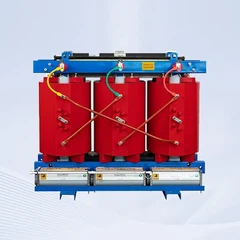
Let's take a look at some of our popular transformers and how they meet the standards. We have a 33kv 12.5Mva Three Phase Power Transformer that is designed to operate efficiently in a three-phase electrical system. This transformer is built to meet the IEC standards for power transformers. It has a high-quality core and winding design that reduces losses and improves efficiency. The insulation system is also designed to withstand the high voltages and temperatures associated with its operation.
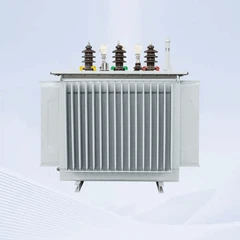
Another great product we offer is the 110kv A 230kv Oil Immersed High Voltage Power Transformer. High voltage transformers like this one need to meet even more stringent standards due to the high levels of voltage they handle. Our oil-immersed design helps to dissipate heat and provides excellent insulation. We also use advanced monitoring systems to keep track of the transformer's performance and detect any potential issues early on.
For smaller applications, we have the 315kVA All Copper High Voltage Power Transformer. Copper is a great conductor of electricity, and using it in the windings of this transformer improves its efficiency and reduces losses. This transformer is designed to meet the local and international standards for low to medium voltage applications.
Installation is another crucial step where following standards and codes is essential. Before installing a transformer, it's important to conduct a site assessment to ensure that the location is suitable. The installation should be carried out by qualified personnel who are familiar with the relevant standards. For example, the NEC provides guidelines on the clearances required around the transformer to prevent fire hazards and ensure safe access for maintenance.
Maintenance is also key to following standards and codes. Regular maintenance helps to ensure that the transformer continues to operate safely and efficiently. This includes tasks like checking the oil level and quality in oil-immersed transformers, inspecting the insulation, and tightening any loose connections. We provide our customers with detailed maintenance manuals that outline the recommended maintenance schedule and procedures.
In addition to following the standards and codes, it's also important to stay updated on any changes or revisions. Standards are constantly evolving to keep up with new technologies and safety requirements. As a supplier, I make sure to stay informed about these changes and incorporate them into our products and processes.
If you're in the market for a power transformer, it's important to choose a supplier who takes standards and codes seriously. By doing so, you can be confident that you're getting a safe and reliable product. Whether you need a small transformer for a residential application or a large one for an industrial facility, we have the expertise and the products to meet your needs.


If you have any questions or would like to discuss your specific requirements, don't hesitate to reach out. We're always happy to help you find the right power transformer for your project. Let's work together to ensure that your electrical system operates safely and efficiently.
References
- International Electrotechnical Commission (IEC) standards
- National Electrical Code (NEC)
- Industry publications on power transformers
Send Inquiry