





What are the cooling methods for substation power transformers?
Jul 15, 2025
Leave a message
In the realm of electrical power distribution, substation power transformers play a pivotal role. These transformers are responsible for stepping up or stepping down voltage levels to ensure efficient and safe transmission of electricity. However, during their operation, transformers generate a significant amount of heat, which, if not properly managed, can lead to reduced efficiency, premature aging, and even catastrophic failures. As a leading supplier of substation power transformers, we understand the importance of effective cooling methods. In this blog, we will explore the various cooling methods employed for substation power transformers.
1. Oil - Immersed Cooling
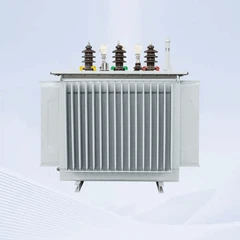
Oil - immersed cooling is one of the most common and widely used methods for substation power transformers. This method utilizes transformer oil as both an insulating and cooling medium.
1.1 Oil - Natural Air - Natural (ONAN)
The ONAN cooling method is the simplest form of oil - immersed cooling. In this system, the heat generated by the transformer windings and core is transferred to the surrounding transformer oil. The hot oil then rises due to natural convection and transfers its heat to the transformer tank walls. The tank walls, in turn, dissipate the heat to the surrounding air through natural air circulation.


ONAN cooling is suitable for small to medium - sized transformers with relatively low power ratings. It is a reliable and cost - effective option as it does not require any additional power - consuming equipment such as fans or pumps. However, its cooling capacity is limited, and it may not be sufficient for large - scale transformers with high power densities.
1.2 Oil - Natural Air - Forced (ONAF)
To enhance the cooling capacity of the ONAN system, the ONAF method is employed. In an ONAF - cooled transformer, in addition to natural oil convection, fans are used to force air over the radiator fins attached to the transformer tank. The forced air flow increases the rate of heat transfer from the radiator fins to the surrounding air, thereby improving the overall cooling efficiency.
ONAF cooling is commonly used for medium - to large - sized transformers. It provides a better cooling performance compared to ONAN, allowing transformers to handle higher loads. For example, our 4300KVA Prefabricated Substation can be equipped with ONAF cooling for efficient operation.
1.3 Oil - Forced Air - Forced (OFAF)
The OFAF cooling method takes the cooling process a step further. In this system, both the oil circulation and the air flow are forced. Pumps are used to circulate the transformer oil through the radiator, and fans are used to blow air over the radiator fins. This combination of forced oil circulation and forced air flow significantly increases the heat transfer rate, enabling the transformer to handle very high power loads.
OFAF - cooled transformers are often used in large substations where high - capacity transformers are required. They are capable of maintaining optimal operating temperatures even under heavy load conditions.
1.4 Oil - Forced Water - Forced (OFWF)
In the OFWF cooling method, instead of using air to cool the oil, water is used as the cooling medium. Pumps circulate the hot transformer oil through a heat exchanger, where it transfers its heat to the cooling water. The water is then pumped through a separate cooling system, such as a cooling tower, to dissipate the heat.
OFWF cooling is highly efficient and is suitable for extremely large transformers with very high power ratings. It allows for precise temperature control and can handle the high heat loads generated by these transformers. However, it requires a more complex infrastructure, including a water supply system and a cooling tower, which increases the initial investment and maintenance costs.
2. Dry - Type Cooling
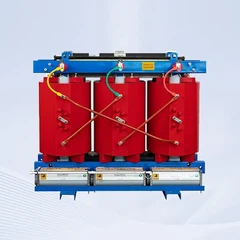
Dry - type transformers do not use oil as a cooling and insulating medium. Instead, they rely on air or other gaseous substances for cooling.
2.1 Air - Natural (AN)
In the AN cooling method, the heat generated by the transformer is dissipated to the surrounding air through natural convection. The transformer windings and core are designed to have good thermal conductivity, allowing the heat to be transferred to the surface of the transformer and then to the air.
AN - cooled dry - type transformers are typically used in indoor applications where the power requirements are relatively low, such as in commercial buildings and small industrial facilities. They are safe, as there is no risk of oil leakage or fire associated with oil - filled transformers. Our Compact Substation can be equipped with dry - type AN - cooled transformers for indoor use.
2.2 Air - Forced (AF)
To improve the cooling performance of dry - type transformers, the AF method is used. In an AF - cooled transformer, fans are used to force air through the transformer windings and core. The forced air flow increases the rate of heat transfer, allowing the transformer to handle higher loads.
AF - cooled dry - type transformers are suitable for applications where higher power ratings are required but where the use of oil - filled transformers is not desirable, such as in areas with strict environmental regulations or in locations where fire safety is a major concern.
3. Gas - Insulated Cooling
Gas - insulated transformers use a special gas, such as sulfur hexafluoride (SF6), as both an insulating and cooling medium. SF6 gas has excellent dielectric properties and high heat - transfer capabilities.
In a gas - insulated transformer, the heat generated by the transformer is transferred to the SF6 gas. The gas is then circulated through a cooling system, which may include heat exchangers and fans, to dissipate the heat. Gas - insulated transformers are compact, have a long service life, and are suitable for use in urban areas and indoor substations where space is limited. Our Output Voltage 380V European Type Electrical Substation can be equipped with gas - insulated transformers for efficient and reliable operation.
Considerations in Choosing a Cooling Method
When choosing a cooling method for a substation power transformer, several factors need to be considered:
- Power Rating: The power rating of the transformer is a crucial factor. Higher - power transformers generate more heat and require more efficient cooling methods. For example, small - scale transformers may be adequately cooled by ONAN or AN methods, while large - scale transformers may need OFAF or OFWF cooling.
- Location: The location of the transformer also plays a role. Indoor transformers may require dry - type or gas - insulated cooling for safety and environmental reasons, while outdoor transformers can use oil - immersed cooling methods.
- Environmental Conditions: Environmental factors such as temperature, humidity, and air quality can affect the cooling performance. In hot and humid climates, more efficient cooling methods may be required to ensure the transformer operates within the optimal temperature range.
- Cost: The initial cost of the cooling system, as well as the long - term operating and maintenance costs, need to be considered. Some cooling methods, such as OFWF, require a higher initial investment and more complex maintenance procedures.
Conclusion
Effective cooling is essential for the reliable and efficient operation of substation power transformers. As a supplier of substation power transformers, we offer a wide range of cooling options to meet the diverse needs of our customers. Whether you need a small - scale transformer for a commercial building or a large - capacity transformer for a major power grid, we can provide the appropriate cooling solution.
If you are in the market for substation power transformers and need to discuss the best cooling method for your specific application, we invite you to contact us for a detailed consultation. Our team of experts is ready to assist you in making the right choice and ensuring that your power distribution system operates smoothly and efficiently.
References
- Electric Power Substations Engineering, Third Edition by Turan Gonen
- Transformers: Design and Practice by J. Singhal
Send Inquiry