





How to improve the power factor of a three - phase power transformer?
Jul 11, 2025
Leave a message
As a supplier of three-phase power transformers, I understand the crucial role that power factor plays in the efficient operation of electrical systems. A low power factor can lead to increased energy consumption, higher electricity bills, and reduced equipment lifespan. In this blog post, I will share some effective strategies to improve the power factor of a three-phase power transformer.
Understanding Power Factor
Before delving into the methods of improving power factor, it's essential to understand what power factor is. Power factor (PF) is the ratio of real power (P), measured in kilowatts (kW), to apparent power (S), measured in kilovolt-amperes (kVA). Mathematically, it is expressed as PF = P/S. A power factor of 1 (or 100%) indicates that all the electrical power supplied to the load is being used effectively, while a lower power factor means that a portion of the power is being wasted.
In a three-phase power system, the power factor can be affected by various factors, including the type of load, the design of the transformer, and the operating conditions. Inductive loads, such as motors, transformers, and fluorescent lighting, are the primary cause of low power factor. These loads require a magnetic field to operate, which results in a phase difference between the voltage and current waveforms, leading to a lagging power factor.
Importance of Improving Power Factor
Improving the power factor of a three-phase power transformer offers several benefits, including:


- Energy Efficiency: A higher power factor means that less energy is wasted in the form of reactive power, resulting in lower energy consumption and reduced electricity bills.
- Reduced Voltage Drop: Reactive power can cause voltage drop in the electrical system, which can affect the performance of electrical equipment. By improving the power factor, the voltage drop can be minimized, ensuring stable and reliable operation of the equipment.
- Increased Transformer Capacity: A low power factor can reduce the effective capacity of a transformer, as it has to supply both real and reactive power. By improving the power factor, the transformer can operate more efficiently, allowing for increased load capacity without the need for expensive upgrades.
- Extended Equipment Lifespan: Electrical equipment operating at a low power factor is subject to increased stress and heat, which can reduce its lifespan. By improving the power factor, the equipment can operate more efficiently, reducing the risk of premature failure and extending its lifespan.
Strategies to Improve Power Factor
There are several strategies that can be employed to improve the power factor of a three-phase power transformer. These include:
- Installing Capacitor Banks: Capacitor banks are the most common method of improving power factor. They work by supplying reactive power to the electrical system, offsetting the lagging reactive power caused by inductive loads. Capacitor banks can be installed at the transformer, the load, or at a central location in the electrical system. When selecting a capacitor bank, it's important to consider the size, type, and location of the load, as well as the operating conditions of the electrical system.
- Using Synchronous Motors: Synchronous motors are another effective way to improve power factor. Unlike induction motors, which have a lagging power factor, synchronous motors can operate at a leading power factor, supplying reactive power to the electrical system. Synchronous motors are typically used in large industrial applications, where they can provide significant energy savings and improve the overall efficiency of the electrical system.
- Upgrading the Transformer: In some cases, upgrading the transformer to a more efficient model can improve the power factor. Newer transformers are designed to have a lower core loss and a higher efficiency, which can reduce the amount of reactive power required by the transformer. When upgrading the transformer, it's important to consider the load requirements, the operating conditions, and the cost of the new transformer.
- Implementing Power Factor Correction Equipment: Power factor correction equipment, such as automatic power factor controllers and static var compensators, can be used to monitor and adjust the power factor in real-time. These devices can automatically switch capacitor banks on and off based on the load requirements, ensuring that the power factor remains within the desired range. Power factor correction equipment can be installed at the transformer, the load, or at a central location in the electrical system.
- Optimizing the Load: Optimizing the load can also help to improve the power factor. This can be achieved by reducing the use of inductive loads, such as motors and transformers, and replacing them with more energy-efficient alternatives, such as LED lighting and variable frequency drives. Additionally, ensuring that the load is properly sized and balanced can help to reduce the amount of reactive power required by the electrical system.
Our Three-Phase Power Transformers
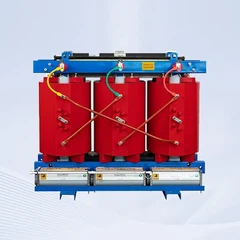
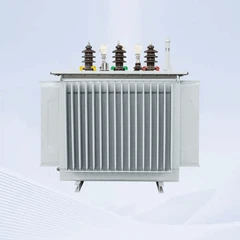
At our company, we offer a wide range of high-quality three-phase power transformers that are designed to operate efficiently and reliably. Our transformers are available in various sizes, types, and configurations to meet the specific needs of our customers. Some of our popular products include the SG(B)10 Non-encapsulated Dry-type Power Transformer, the Medium Oil Immersed Electrical Power Transformer, and the 66kV 15MVA Power Transformer.
Our transformers are designed with advanced technology and high-quality materials to ensure optimal performance and energy efficiency. They are also equipped with features such as low-loss cores, high-quality insulation, and efficient cooling systems to reduce energy consumption and extend the lifespan of the transformer. Additionally, our transformers are tested and certified to meet the highest industry standards, ensuring reliability and safety.
Contact Us for Power Factor Improvement Solutions
If you are looking to improve the power factor of your three-phase power transformer, our team of experts can help. We offer comprehensive power factor improvement solutions, including the installation of capacitor banks, the use of synchronous motors, and the implementation of power factor correction equipment. Our solutions are tailored to meet the specific needs of your electrical system, ensuring maximum energy efficiency and cost savings.
To learn more about our three-phase power transformers and power factor improvement solutions, please contact us today. Our team will be happy to answer your questions and provide you with a free consultation. Let us help you optimize the performance of your electrical system and reduce your energy costs.
References
- Chapman, S. J. (2012). Electric Machinery Fundamentals. McGraw-Hill Education.
- Del Toro, V. (2016). Electric Power Systems. CRC Press.
- Grover, F. W. (2012). Inductance Calculations: Working Formulas and Tables. Dover Publications.
- Kerchner, R. J., & Corcoran, G. F. (2013). Alternating-Current Circuits. Dover Publications.
- Stevenson, W. D. (2012). Elements of Power System Analysis. McGraw-Hill Education.
Send Inquiry