





How to improve the reliability of an amorphous alloy transformer?
Sep 23, 2025
Leave a message
Hey there! As a supplier of Amorphous Alloy Transformers, I've seen firsthand the importance of reliability in these nifty pieces of equipment. Amorphous alloy transformers are pretty cool because they offer lower losses compared to traditional transformers, which means they're more energy - efficient. But like any piece of machinery, they need to be reliable. So, let's dive into how we can improve the reliability of an amorphous alloy transformer.
1. Quality of Materials
The first thing we need to focus on is the quality of the materials used in the transformer. Amorphous alloy itself is a great material, but not all amorphous alloys are created equal. We need to source high - quality amorphous alloy strips. These strips should have consistent thickness and composition. Any variation in these factors can lead to uneven magnetic properties, which can cause hotspots in the transformer core.
When we're making the transformer, we also need to pay attention to the insulation materials. Good insulation is crucial for preventing short - circuits and electrical breakdowns. We should use high - grade insulation paper and varnishes that can withstand high temperatures and electrical stresses. For example, some advanced insulation materials can handle temperatures up to 180°C without degrading.
2. Manufacturing Process
The manufacturing process is where the rubber meets the road. A well - executed manufacturing process can make a huge difference in the reliability of the transformer. First off, the winding process needs to be precise. The coils should be wound evenly and tightly to ensure good electrical conductivity and mechanical stability. Any loose turns or uneven winding can lead to increased resistance and heat generation.
During the assembly of the transformer, we need to make sure that all the components are properly aligned and secured. The core and the windings should be in the correct position relative to each other. If they're not, it can cause mechanical vibrations, which over time can damage the insulation and other components.
We also need to have strict quality control measures in place during manufacturing. This includes testing the electrical properties of the transformer at various stages of production. For instance, we can perform turns ratio tests to make sure that the voltage transformation is accurate. And we should do insulation resistance tests to check the integrity of the insulation.


3. Design Optimization
Design plays a big role in the reliability of an amorphous alloy transformer. We need to optimize the design to reduce stress on the components. One way to do this is by using a proper cooling design. Transformers generate heat during operation, and if this heat isn't dissipated properly, it can lead to premature failure.
We can use different cooling methods, such as natural air cooling or forced air cooling. For larger transformers, oil - immersed cooling might be a better option. The cooling system should be designed in such a way that it can efficiently remove heat from the core and the windings.
Another aspect of design optimization is the protection system. We should include over - current, over - voltage, and under - voltage protection devices in the transformer. These devices can detect abnormal operating conditions and take appropriate action, such as tripping the circuit breaker to prevent damage to the transformer.
4. Installation and Commissioning
Once the transformer is manufactured, the next step is installation and commissioning. Proper installation is key to ensuring the long - term reliability of the transformer. The transformer should be installed on a stable and level foundation. Any unevenness can cause mechanical stress on the transformer, which can lead to damage.
During commissioning, we need to perform a series of tests to make sure that the transformer is working correctly. This includes checking the electrical connections, verifying the protection settings, and testing the cooling system. Only after all these tests are passed should the transformer be put into operation.
5. Maintenance and Monitoring
Maintenance and monitoring are ongoing processes that are essential for the reliability of the transformer. Regular maintenance can help us detect and fix potential problems before they turn into major issues. We should schedule routine inspections to check the condition of the insulation, the windings, and the cooling system.
We can also use monitoring systems to keep an eye on the transformer's performance. For example, we can install temperature sensors to monitor the temperature of the core and the windings. If the temperature exceeds a certain threshold, it could indicate a problem, and we can take action immediately.
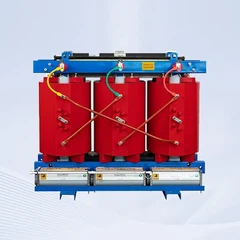
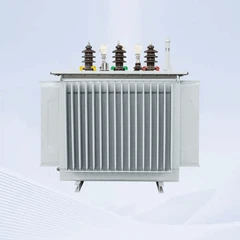
Now, let me introduce some of our products. We offer a range of high - quality amorphous alloy transformers, such as the Amorphous Alloy Dry Type Transformer, the Amorphous Core Type Distribution Transformer, and the S(B)H15 Three Phase Amorphous Alloy Distribution Transformer. These transformers are designed with reliability in mind, using the latest technology and high - quality materials.
If you're in the market for an amorphous alloy transformer and want a reliable solution, don't hesitate to get in touch with us. We're here to answer all your questions and help you find the right transformer for your needs. Whether you're a small business or a large industrial facility, we've got the expertise and the products to meet your requirements. So, let's start a conversation and see how we can work together to improve your power distribution system.
References
- "Transformer Engineering: Design, Technology, and Diagnostics" by L. Gyugyi and E. Gyugyi
- "Handbook of Transformer Technology: Design and Application" by Timothy J. Arrillaga and Neville R. Watson
Send Inquiry