





How to maintain a 75 kva dry type transformer?
Sep 22, 2025
Leave a message
As a supplier of 75 kVA dry type transformers, I understand the importance of proper maintenance to ensure the longevity and efficient operation of these critical electrical devices. In this blog, I will share some valuable insights on how to maintain a 75 kVA dry type transformer effectively.
Understanding the Basics of a 75 kVA Dry Type Transformer
Before delving into maintenance, it's essential to have a basic understanding of what a 75 kVA dry type transformer is. A dry type transformer is an electrical device that transfers electrical energy between circuits through electromagnetic induction without the use of a liquid coolant. The "75 kVA" refers to the transformer's kilovolt - ampere rating, which indicates its power - handling capacity.
Dry type transformers are widely used in various applications, including commercial buildings, industrial facilities, and renewable energy systems, due to their safety, reliability, and environmental friendliness. You can learn more about dry type transformers on our Dry Transformer page.

Regular Visual Inspections
One of the simplest yet most crucial maintenance tasks is regular visual inspections. These inspections should be carried out at least once a month, or more frequently in harsh operating environments.
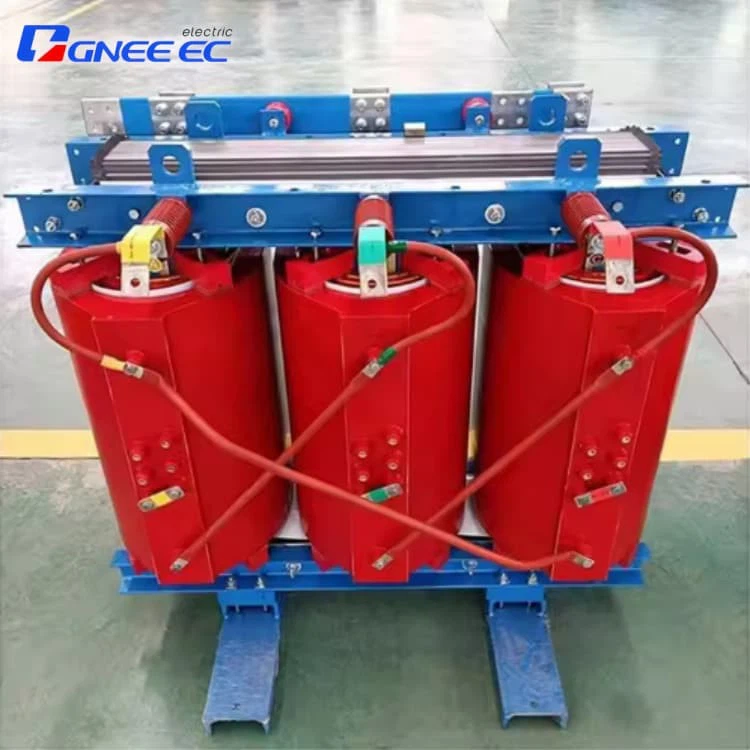
- Check for Physical Damage: Look for any signs of physical damage to the transformer, such as cracks in the enclosure, bent or broken terminals, or loose connections. Physical damage can compromise the transformer's integrity and lead to electrical faults.
- Inspect the Cooling System: Dry type transformers rely on natural or forced air cooling. Check the cooling fans (if present) to ensure they are running smoothly and that the air vents are not blocked. Blocked vents can cause overheating, which can significantly reduce the transformer's lifespan.
- Examine the Surroundings: The area around the transformer should be clean and free of debris. Make sure there are no flammable materials or liquids nearby, as dry type transformers can generate heat during operation.
Temperature Monitoring
Temperature is a critical factor in the performance and lifespan of a 75 kVA dry type transformer. Overheating can cause insulation breakdown, leading to short circuits and other electrical problems.
- Install Temperature Sensors: Consider installing temperature sensors in the transformer windings and enclosure. These sensors can provide real - time temperature data, allowing you to detect any abnormal temperature rises early.
- Set Temperature Alarms: Set up temperature alarms so that you are notified immediately if the temperature exceeds a safe threshold. This will give you time to take corrective action before any serious damage occurs.
- Monitor Load and Temperature Relationship: Keep an eye on the relationship between the transformer's load and temperature. A sudden increase in temperature at a normal load may indicate a problem with the transformer or its cooling system.
Insulation Resistance Testing
Insulation resistance testing is an important part of transformer maintenance. It helps to assess the condition of the transformer's insulation and detect any potential insulation breakdown.
- Perform Regular Tests: Insulation resistance tests should be performed at least once a year, or more frequently if the transformer is operating in a harsh environment. Use a megohmmeter to measure the insulation resistance between the windings and the enclosure.
- Compare Results: Compare the test results with the manufacturer's specifications and previous test results. A significant decrease in insulation resistance may indicate insulation degradation, which requires further investigation.
- Take Corrective Action: If the insulation resistance is below the acceptable level, take corrective action such as cleaning the windings, drying the transformer, or replacing the insulation if necessary.
Tightening Electrical Connections
Loose electrical connections can cause increased resistance, leading to overheating and potential electrical arcing. Regularly checking and tightening electrical connections is essential for the safe and efficient operation of the transformer.
- Inspect Terminal Connections: Check the terminal connections at least once a year. Use a torque wrench to ensure that the connections are tightened to the manufacturer's recommended torque values.
- Look for Signs of Overheating: Look for signs of overheating at the connections, such as discoloration or melting of the insulation. Overheating connections should be repaired or replaced immediately.
- Prevent Corrosion: To prevent corrosion, apply a suitable anti - corrosion compound to the electrical connections. Corrosion can also increase resistance and cause electrical problems.
Oil - Free Maintenance
Unlike oil - filled transformers, dry type transformers do not require oil changes or oil - related maintenance. However, it's still important to keep the transformer clean and free of contaminants.
- Clean the Enclosure: Use a soft brush or compressed air to clean the transformer enclosure regularly. This will remove dust, dirt, and other contaminants that can accumulate over time and affect the transformer's performance.
- Protect Against Moisture: Although dry type transformers are designed to be moisture - resistant, excessive moisture can still cause problems. Ensure that the transformer is installed in a dry location and that the enclosure is properly sealed.
Monitoring Load and Performance
Monitoring the transformer's load and performance is crucial for optimizing its operation and preventing overloading.
- Install Load Monitoring Devices: Install load monitoring devices to track the transformer's load in real - time. This will help you identify any periods of overloading and take appropriate action, such as redistributing the load or upgrading the transformer if necessary.
- Analyze Performance Data: Analyze the performance data collected over time to identify any trends or patterns. This can help you predict potential problems and schedule maintenance activities more effectively.
- Consider Upgrades: If the transformer is consistently operating at or near its maximum capacity, consider upgrading to a larger - rated transformer. This will ensure reliable operation and prevent premature failure.
Other Products in Our Range
In addition to 75 kVA dry type transformers, we also offer a range of other high - quality dry type transformers, such as the 125KVA 160KVA Amorphous Steel Core Dry - type Transformer and the 100KVA/10KV Cast Resin Transformer. These transformers are designed to meet the diverse needs of our customers and offer excellent performance and reliability.
Conclusion
Proper maintenance of a 75 kVA dry type transformer is essential for ensuring its long - term performance and reliability. By following the maintenance tips outlined in this blog, you can extend the lifespan of your transformer, reduce the risk of electrical faults, and save on repair and replacement costs.
If you are interested in purchasing a 75 kVA dry type transformer or any of our other products, or if you have any questions about transformer maintenance, please feel free to contact us for a detailed discussion. Our team of experts is ready to assist you with all your transformer needs.
References
- IEEE Standard C57.12.01 - 2010, "Standard General Requirements for Dry - Type Distribution and Power Transformers".
- ANSI/IEEE C57.12.91 - 2011, "Guide for Loading Dry - Type Distribution and Power Transformers".
Send Inquiry