





How to operate dry type transformers in high - temperature environments?
Jul 04, 2025
Leave a message
Hey there! As a supplier of dry type transformers, I've seen firsthand how high - temperature environments can throw a wrench into the smooth operation of these crucial pieces of equipment. In this blog, I'm gonna share some tips on how to operate dry type transformers in high - temperature conditions.
First off, let's talk about why high temperatures are such a big deal for dry type transformers. When it's hot outside, the heat can cause the insulation materials in the transformer to degrade faster. This insulation is super important as it keeps the electrical currents where they're supposed to be and prevents short - circuits. Over time, high temperatures can also lead to increased electrical resistance, which means the transformer has to work harder and can generate even more heat. It's like a vicious cycle!
Pre - operation Checks in High - Temperature Areas
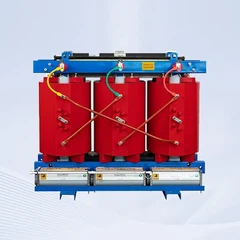
Before you start up a dry type transformer in a high - temperature environment, there are a few things you need to do. First, make sure the transformer is properly sized for the load. An undersized transformer will have to work overtime, generating more heat. Check the nameplate on the transformer to ensure it can handle the expected electrical load. You can find some great options like the 25kv Dry Type Transformer which is designed to handle specific voltage requirements.
Next, inspect the ventilation system. Good ventilation is key to keeping the transformer cool. The ventilation ducts should be clear of any debris or blockages. In high - temperature areas, you might even want to consider adding additional ventilation fans or upgrading the existing system. Also, check the air filters. Clogged filters can restrict airflow, causing the transformer to overheat.
Monitoring During Operation
Once the transformer is up and running, continuous monitoring is crucial. Keep an eye on the temperature of the transformer. Most dry type transformers come with built - in temperature sensors. These sensors can give you real - time data on the temperature of the windings and other critical components. If the temperature starts to climb too high, you need to take action.
Another thing to monitor is the load. Try to avoid overloading the transformer, especially in high - temperature conditions. If you notice that the load is consistently pushing the limits of the transformer, it might be time to consider upgrading to a larger one, like the 1600kVA Dry Type Transformer.
You should also regularly check the electrical connections. Loose connections can cause arcing and increased resistance, which generates more heat. Make sure all the bolts and terminals are tightened properly.
Cooling Strategies
There are several cooling strategies you can use to keep your dry type transformer cool in high - temperature environments. One of the simplest is natural air cooling. This works well if the ambient temperature isn't too extreme. However, in very hot areas, you might need to rely on forced air cooling. This involves using fans to blow air over the transformer, removing the heat more quickly.
Some dry type transformers also come with liquid - cooled options. In this case, a coolant is circulated through the transformer to absorb the heat. This can be a very effective way to keep the temperature down, especially in extremely high - temperature conditions.
Maintenance in High - Temperature Conditions
Maintenance is even more important in high - temperature environments. You should perform regular inspections of the transformer. Look for any signs of wear and tear on the insulation, such as cracks or discoloration. If you notice any issues, address them immediately.
Clean the transformer regularly to remove any dust or dirt that might have accumulated. This can help improve the ventilation and prevent the build - up of heat. Also, check the moisture levels. High temperatures can sometimes lead to condensation inside the transformer, which can damage the insulation.
Storage and Installation
When storing dry type transformers in high - temperature areas, make sure they are stored in a dry and well - ventilated place. Avoid storing them in direct sunlight or in areas where they can be exposed to extreme heat for long periods.
During installation, follow the manufacturer's guidelines carefully. Make sure the transformer is installed on a stable base and that there is enough clearance around it for proper ventilation. If possible, install the transformer in a shaded area to reduce the impact of direct sunlight.
Importance of Quality Transformers
As a China High Voltage Cast Coil Dry Type Power Transformer Supplier, I can't stress enough the importance of using high - quality transformers. Quality transformers are designed to withstand high temperatures better. They use better insulation materials that are more resistant to heat and degradation.
A good quality transformer will also have better cooling systems and be more reliable in the long run. When you're looking for a transformer for a high - temperature environment, don't cut corners on quality. It might cost a bit more upfront, but it will save you a lot of headaches and money in the long term.
In conclusion, operating dry type transformers in high - temperature environments requires extra care and attention. By following these tips, you can ensure that your transformer operates safely and efficiently, even in the hottest conditions.
If you're in the market for a dry type transformer or have any questions about operating them in high - temperature areas, don't hesitate to reach out. We're here to help you find the right solution for your needs and ensure that your electrical system runs smoothly.


References
- IEEE Standards for Dry - Type Transformers
- Manufacturer's Manuals for Dry Type Transformers
- Industry Best Practices for Transformer Operation in High - Temperature Environments
Send Inquiry