


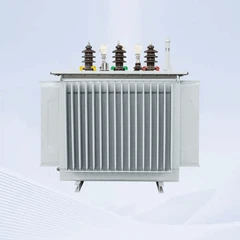






How does the phase imbalance affect a pole mounted transformer?
Jul 04, 2025
Leave a message
Phase imbalance is a critical issue that can significantly impact the performance and lifespan of pole mounted transformers. As a trusted supplier of [Pole Mounted Transformer], I've witnessed firsthand how phase imbalance can lead to a range of problems, from reduced efficiency to premature equipment failure. In this blog post, I'll delve into the intricacies of phase imbalance and its effects on pole mounted transformers, providing insights and solutions to help you mitigate these challenges.
Understanding Phase Imbalance
Before we explore the impact of phase imbalance on pole mounted transformers, it's essential to understand what phase imbalance is. In a three - phase electrical system, the ideal scenario is for each phase to carry an equal amount of current and voltage. However, in real - world applications, this is rarely the case. Phase imbalance occurs when there is a significant difference in the voltage or current levels between the three phases.
This imbalance can be caused by various factors, including unevenly distributed single - phase loads, faulty electrical equipment, or issues with the power grid. For example, if a large number of single - phase loads, such as residential appliances, are connected to only one or two phases, it can create an imbalance in the system.
Effects of Phase Imbalance on Pole Mounted Transformers
1. Overheating
One of the most significant impacts of phase imbalance on pole mounted transformers is overheating. When there is a phase imbalance, the transformer windings experience unequal currents. The phase with the highest current will dissipate more heat than the others. Since transformers are designed to operate within a specific temperature range, excessive heat can damage the insulation of the windings. Over time, this can lead to insulation breakdown, short circuits, and ultimately, transformer failure.
For instance, if a Pole Mounted Distribution Transformer is operating with a significant phase imbalance, the winding on the overloaded phase will heat up more rapidly. This increased temperature not only reduces the efficiency of the transformer but also shortens its expected lifespan.
2. Reduced Efficiency
Phase imbalance also reduces the overall efficiency of pole mounted transformers. Transformers are most efficient when the loads on all three phases are balanced. When there is an imbalance, the transformer has to work harder to transfer power, resulting in increased losses. These losses manifest as heat, which is wasted energy.
In practical terms, a transformer operating under phase - imbalanced conditions will consume more power from the grid to deliver the same amount of power to the load. This not only increases energy costs but also puts additional stress on the power system.
3. Voltage Fluctuations
Another consequence of phase imbalance is voltage fluctuations. The unbalanced currents in the transformer windings can cause variations in the output voltage. Some phases may experience a higher voltage, while others may have a lower voltage. These voltage fluctuations can be harmful to the connected electrical equipment.
For example, sensitive electronic devices may malfunction or get damaged if they are exposed to inconsistent voltage levels. In a residential area served by a 25kVA 120/240V Pole Mount Transformer, voltage fluctuations can lead to problems such as flickering lights, premature failure of appliances, and interference with communication devices.
4. Increased Mechanical Stress
Phase imbalance can also subject the transformer to increased mechanical stress. The unequal currents in the windings create uneven magnetic forces, which can cause vibration and mechanical wear. Over time, this can loosen the internal components of the transformer, such as the core laminations and the winding supports.
These mechanical issues can further exacerbate the problems caused by overheating and voltage fluctuations, increasing the risk of transformer failure.
Detecting and Monitoring Phase Imbalance
To mitigate the effects of phase imbalance on pole mounted transformers, it's crucial to detect and monitor it regularly. There are several tools and techniques available for this purpose.
1. Voltage and Current Monitoring
Installing voltage and current sensors on the transformer can provide real - time data on the phase voltages and currents. These sensors can be connected to a monitoring system that can alert operators when there is a significant imbalance. By analyzing the data, operators can identify the source of the imbalance and take appropriate corrective actions.
2. Power Quality Analyzers
Power quality analyzers are more advanced tools that can measure a wide range of electrical parameters, including phase imbalance. These devices can provide detailed information about the magnitude and duration of the imbalance, as well as other power quality issues such as harmonics and flicker.
Mitigating Phase Imbalance
Once phase imbalance is detected, there are several strategies that can be employed to mitigate its effects.


1. Load Balancing
One of the most effective ways to reduce phase imbalance is to balance the loads across the three phases. This can be achieved by redistributing single - phase loads more evenly or by using three - phase loads whenever possible. For example, in a commercial building, the electrical contractor can ensure that the lighting and other single - phase loads are connected to all three phases in a balanced manner.
2. Use of Automatic Voltage Regulators (AVRs)
Automatic voltage regulators can help maintain a stable output voltage in the presence of phase imbalance. These devices can adjust the voltage on each phase to compensate for the imbalance, ensuring that the connected equipment receives a consistent voltage supply.
3. Transformer Upgrades
In some cases, it may be necessary to upgrade the pole mounted transformer to a larger capacity or a more advanced design. A larger transformer can better handle phase imbalances without overheating or experiencing excessive stress. Additionally, modern transformers may have features such as built - in load - balancing capabilities or advanced insulation materials that are more resistant to heat and mechanical stress.
Conclusion
Phase imbalance is a serious issue that can have a profound impact on the performance and lifespan of pole mounted transformers. As a [Pole Mounted Transformer] supplier, I understand the importance of addressing this issue to ensure the reliable operation of the electrical system.
By detecting and monitoring phase imbalance regularly, and by implementing appropriate mitigation strategies such as load balancing and the use of AVRs, we can minimize the negative effects of phase imbalance. This not only protects the transformers but also improves the overall power quality and reduces energy costs.
If you're facing challenges related to phase imbalance in your pole mounted transformers or if you're looking for high - quality transformers that can withstand these issues, we're here to help. Our team of experts can provide you with the right solutions tailored to your specific needs. Contact us today to start a discussion about your procurement requirements and how we can work together to ensure a reliable and efficient electrical system.
References
- IEEE Standard 141 - 1993 (R2003), Recommended Practice for Electric Power Distribution for Industrial Plants.
- Electric Power Substations Engineering by Turan Gonen.
- Power System Analysis and Design by J. Duncan Glover, Mulukutla S. Sarma, and Thomas J. Overbye.
Send Inquiry