

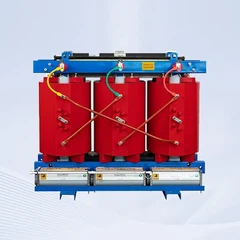
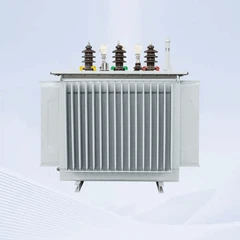




How to prevent fires in a unit substation transformer?
May 28, 2025
Leave a message
Preventing fires in a unit substation transformer is crucial for ensuring the safety and reliability of electrical systems. As a supplier of Unit Substation Transformers, we understand the significance of fire prevention and have gathered comprehensive knowledge and experience in this area. In this blog post, we will share some effective strategies and best practices to help you prevent fires in your unit substation transformers.
Understanding the Fire Risks in Unit Substation Transformers
Before delving into prevention methods, it's essential to understand the potential fire risks associated with unit substation transformers. These risks can stem from various factors, including:
- Overheating: Excessive heat can cause insulation materials to degrade, leading to short circuits and potential fires. Overheating can be caused by factors such as overloading, poor ventilation, or malfunctioning cooling systems.
- Electrical Faults: Faulty wiring, loose connections, or damaged components can create electrical arcs and sparks, which can ignite flammable materials within the transformer.
- Flammable Fluids: Many unit substation transformers use flammable dielectric fluids, such as mineral oil, for insulation and cooling. A leak or spill of these fluids can pose a significant fire hazard.
- External Ignition Sources: External factors, such as nearby fires, lightning strikes, or arson, can also pose a risk to unit substation transformers.
Implementing Preventive Measures
To prevent fires in unit substation transformers, it's important to implement a comprehensive fire prevention plan that addresses these potential risks. Here are some key preventive measures to consider:
1. Regular Maintenance and Inspections
- Scheduled Inspections: Conduct regular inspections of your unit substation transformers to identify and address potential issues before they escalate. Inspections should include visual checks, electrical testing, and temperature monitoring.
- Maintenance Checks: Perform routine maintenance tasks, such as cleaning, lubrication, and tightening of connections, to ensure the proper functioning of the transformer. Follow the manufacturer's recommended maintenance schedule and procedures.
- Oil Analysis: Regularly analyze the dielectric fluid in your transformers to detect any signs of degradation or contamination. Oil analysis can help identify potential problems early and prevent fires caused by faulty insulation.
2. Proper Installation and Ventilation
- Correct Installation: Ensure that your unit substation transformers are installed correctly, following all relevant codes and standards. Improper installation can lead to overheating, electrical faults, and other safety hazards.
- Adequate Ventilation: Provide adequate ventilation around the transformer to prevent overheating. Ensure that the ventilation openings are clear of obstructions and that the cooling system is functioning properly.
- Fire-Resistant Enclosures: Consider using fire-resistant enclosures or barriers to protect the transformer from external ignition sources and contain any potential fires.
3. Monitoring and Alarm Systems
- Temperature Monitoring: Install temperature sensors on your unit substation transformers to monitor the temperature and detect any signs of overheating. Set up alarms to alert you when the temperature exceeds safe levels.
- Smoke and Fire Detectors: Install smoke and fire detectors in the vicinity of the transformer to detect any signs of fire early. Connect the detectors to an alarm system that can notify you and the appropriate authorities.
- Remote Monitoring: Consider using remote monitoring systems to monitor the performance and condition of your unit substation transformers in real-time. Remote monitoring can help you detect potential issues early and take corrective action before they lead to fires.
4. Training and Education
- Staff Training: Provide comprehensive training to your staff on fire prevention, safety procedures, and emergency response. Ensure that all staff members are aware of the potential fire risks associated with unit substation transformers and know how to respond in case of a fire.
- Customer Education: Educate your customers on the importance of fire prevention in unit substation transformers and provide them with guidelines and recommendations for safe operation and maintenance.
5. Use of Fire-Resistant Materials
- Insulation Materials: Choose insulation materials that are fire-resistant and have a high thermal stability. Avoid using flammable materials in the construction of the transformer.
- Fluid Selection: Consider using non-flammable or less flammable dielectric fluids, such as silicone oil or ester-based fluids, in your unit substation transformers. These fluids have a lower fire risk compared to traditional mineral oil.
Conclusion
Preventing fires in unit substation transformers requires a proactive approach that addresses the potential fire risks and implements appropriate preventive measures. By following the strategies and best practices outlined in this blog post, you can significantly reduce the risk of fires in your unit substation transformers and ensure the safety and reliability of your electrical systems.


As a supplier of Unit Substation Transformers, we are committed to providing our customers with high-quality products and comprehensive support to help them prevent fires and ensure the safety of their electrical systems. If you have any questions or need further information about fire prevention in unit substation transformers, please feel free to contact us. We would be happy to assist you.
Additional Resources
- Compact Secondary Substations: Explore our range of compact secondary substations designed for efficient and reliable power distribution.
- Mobile Substations: Learn more about our mobile substations, which offer a flexible and convenient solution for temporary power needs.
- Compact Transformer Substation: Discover our compact transformer substations, which are ideal for applications where space is limited.
References
- Electrical Safety Foundation International (ESFI). (n.d.). Transformer Fire Prevention. Retrieved from ESFI website
- National Fire Protection Association (NFPA). (2017). NFPA 70: National Electrical Code. Quincy, MA: NFPA.
- Institute of Electrical and Electronics Engineers (IEEE). (2014). IEEE C57.12.00: Standard General Requirements for Liquid-Immersed Distribution, Power, and Regulating Transformers. New York, NY: IEEE.
Send Inquiry