





What is the difference between oil - filled and dry - type pole mounted transformers?
May 27, 2025
Leave a message
As a leading supplier of pole mounted transformers, I often encounter inquiries from customers about the differences between oil - filled and dry - type pole mounted transformers. In this blog post, I will delve into the key distinctions between these two types of transformers to help you make an informed decision for your power distribution needs.
1. Construction and Design
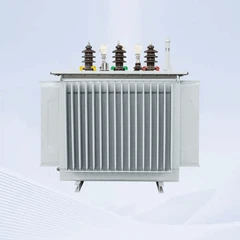
Oil - filled pole mounted transformers are built with a tank that is filled with insulating oil. This oil serves multiple purposes. Firstly, it provides electrical insulation between the windings and other components of the transformer. Secondly, it acts as a coolant, carrying away the heat generated during the operation of the transformer. The tank is usually made of steel and is designed to be robust and weather - resistant. The windings are immersed in the oil, which also helps in reducing the electrical stress on the insulation materials.
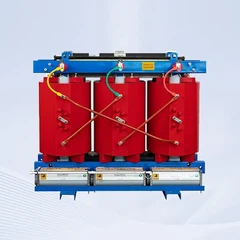
On the other hand, dry - type pole mounted transformers do not use insulating oil. Instead, they rely on solid insulation materials such as epoxy resin or fiberglass. The windings are encapsulated in these solid materials, which provides electrical insulation. This design eliminates the risk of oil leakage, which can be a significant environmental concern. Dry - type transformers are generally more compact in size compared to oil - filled transformers, making them suitable for areas with limited space.


2. Cooling Mechanisms
The cooling mechanism is a crucial aspect that differentiates oil - filled and dry - type pole mounted transformers. In oil - filled transformers, the insulating oil absorbs the heat generated by the windings. As the oil heats up, it rises to the top of the tank and then circulates through a cooling system. This can be either a natural convection system, where the oil moves due to the difference in temperature, or a forced - air or forced - oil cooling system for larger transformers. The heat is then dissipated to the surrounding environment through radiators or heat exchangers attached to the tank.
Dry - type transformers use air as the cooling medium. They have fins or ventilation ducts that allow air to flow around the windings, carrying away the heat. Some dry - type transformers may also use fans to enhance the air circulation and improve the cooling efficiency. Since they do not rely on oil for cooling, dry - type transformers are less susceptible to issues related to oil degradation and overheating due to poor oil circulation.
3. Safety and Environmental Considerations
Safety is a top priority when it comes to power distribution equipment. Oil - filled transformers contain a large amount of insulating oil, which is flammable. In the event of a fault or overheating, there is a risk of fire or explosion. Special safety measures such as fire - resistant enclosures and oil containment systems are often required to mitigate these risks. Additionally, if there is an oil leak, it can contaminate the soil and water sources, posing a significant environmental threat.
Dry - type transformers are considered to be safer in terms of fire risk. Since they do not use flammable oil, the chances of a fire or explosion are greatly reduced. They are also more environmentally friendly as there is no risk of oil leakage. This makes them a preferred choice for applications in areas where environmental regulations are strict or where there is a high risk of fire, such as near residential areas or in industrial facilities with strict safety requirements.
4. Performance and Efficiency
Both oil - filled and dry - type pole mounted transformers are designed to provide efficient power distribution. However, there are some differences in their performance characteristics. Oil - filled transformers generally have better heat dissipation capabilities, which allows them to handle higher loads for extended periods without overheating. They are also more suitable for applications where the load varies widely, as the oil can absorb the heat generated during peak load periods.
Dry - type transformers, on the other hand, have a lower loss rate at low loads. They are more energy - efficient when the load is relatively stable and moderate. Their solid insulation materials also provide better resistance to moisture and dust, which can improve the long - term reliability of the transformer.
5. Cost and Maintenance
The cost of oil - filled and dry - type pole mounted transformers can vary significantly. Oil - filled transformers are generally more expensive to purchase initially due to the cost of the tank, the insulating oil, and the associated safety equipment. However, they may have a lower cost of ownership in the long run, especially for high - load applications, as they can handle larger loads more efficiently.
Maintenance requirements also differ between the two types of transformers. Oil - filled transformers require regular oil testing and maintenance to ensure the quality of the insulating oil. This includes checking the oil level, testing for moisture and contaminants, and replacing the oil if necessary. They also need to be inspected for leaks and the integrity of the tank and cooling system.
Dry - type transformers have lower maintenance requirements. They do not require oil testing or replacement, and the solid insulation materials are generally more durable. However, they still need to be inspected regularly for dust accumulation and damage to the ventilation system.
6. Application Suitability
The choice between oil - filled and dry - type pole mounted transformers depends on the specific application requirements. Oil - filled transformers are commonly used in rural and industrial areas where large amounts of power need to be distributed. They are suitable for high - voltage and high - load applications, such as powering large factories or agricultural equipment. You can find more information about our Single Phase Pole Mounted Power Distribution Transformer on our website.
Dry - type transformers are often preferred in urban areas, commercial buildings, and areas with strict environmental regulations. They are suitable for applications where space is limited, such as in shopping malls, hospitals, and office buildings. Our Oil Immersed Single Phase Pole Mounted Transformer and Pole Mounted Single Phase Distribution Transformer offer a range of options to meet different application needs.
Conclusion
In conclusion, the differences between oil - filled and dry - type pole mounted transformers are significant and should be carefully considered when selecting a transformer for your power distribution system. Each type has its own advantages and disadvantages in terms of construction, cooling, safety, performance, cost, and application suitability.
As a supplier of pole mounted transformers, we are committed to providing our customers with high - quality products and professional advice. If you are unsure which type of transformer is best for your needs, our team of experts is ready to assist you. We can help you evaluate your requirements, compare the features of different transformers, and make the right choice. Contact us today to start a discussion about your power distribution needs and explore the possibilities of working with us on your next project.
References
- Electrical Power Systems Technology, Second Edition by Stephen W. Fardo
- Transformer Engineering: Design, Technology, and Diagnostics by G. Singh
Send Inquiry