





How to prevent the aging of a large power transformer?
Jul 24, 2025
Leave a message
Hey there! As a supplier of large power transformers, I've seen firsthand how crucial it is to keep these beasts in top - notch condition. Aging of a large power transformer can lead to all sorts of headaches, like reduced efficiency, increased maintenance costs, and even the risk of power outages. So, let's dig into some practical ways to prevent that aging process.
Regular Inspections
First off, regular inspections are like giving your transformer a regular check - up at the doctor's. You can't just set it and forget it. We need to look at the physical condition of the transformer, check for any signs of wear and tear, and make sure all the components are working as they should.
Visual inspections are a great start. Walk around the transformer, look for any cracks in the housing, leaks in the oil (if it's an oil - filled transformer), or loose connections. These small things can be early warning signs of bigger problems down the road.


We also need to perform electrical tests regularly. Measuring the insulation resistance, for example, can tell us a lot about the health of the transformer's windings. Low insulation resistance might mean that the insulation is breaking down, which is a major red flag for aging.
Proper Cooling
Cooling is another key factor in preventing transformer aging. Transformers generate a lot of heat during operation, and if that heat isn't managed properly, it can cause serious damage.
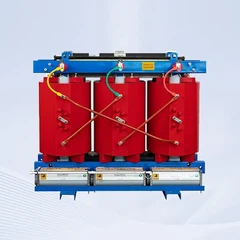
There are different types of cooling methods, like air - cooling and oil - cooling. For Dry Type Power Transformer, air - cooling is often used. These transformers rely on air circulation to dissipate heat. So, make sure the ventilation around the transformer is clear. Don't stack stuff in front of the air vents or block the airflow.
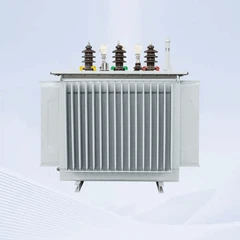
For oil - cooled transformers, like the 436kVA Oil Immersed Water - cooled Electric Transformer, the oil acts as a coolant. But the oil needs to be in good condition. Regularly check the oil level and quality. If the oil is dirty or has a high moisture content, it won't cool the transformer effectively, and it can also accelerate the aging process.
Oil Maintenance (if applicable)
If your transformer uses oil, oil maintenance is a must. The oil in a transformer not only cools but also insulates the electrical components. Over time, the oil can break down due to heat, oxidation, and contamination.
Change the oil at the recommended intervals. This helps get rid of any contaminants that might have built up in the oil. Also, use proper filtration systems to keep the oil clean between oil changes.
You can also add additives to the oil to improve its performance. These additives can help prevent oxidation and reduce the formation of sludge, which can clog up the transformer and cause problems.
Load Management
Managing the load on the transformer is super important. Running a transformer at full capacity all the time is like asking a sprinter to run a marathon non - stop. It's going to wear it out quickly.
Make sure you know the rated capacity of your transformer and try to keep the load within a reasonable range. If you need to increase the load, consider upgrading the transformer or adding additional transformers to share the load.
Overloading a transformer can cause excessive heat, which is one of the main culprits behind aging. So, be smart about how you use your transformer and don't push it too hard.
Monitoring Systems
Installing monitoring systems can give you real - time information about the transformer's performance. These systems can track things like temperature, voltage, current, and oil levels.
With a monitoring system in place, you can detect any abnormal changes early on. For example, if the temperature suddenly spikes, you can investigate the cause before it leads to serious damage.
Some monitoring systems can even send alerts to your phone or computer, so you can stay on top of the transformer's health no matter where you are.
Surge Protection
Power surges can be a nightmare for transformers. These sudden spikes in voltage can damage the insulation and other components of the transformer, accelerating the aging process.
Install surge protectors to safeguard your transformer. These devices divert the excess voltage away from the transformer, protecting it from harm.
Make sure the surge protectors are properly rated for your transformer and are installed correctly. Regularly check the surge protectors to make sure they're still working effectively.
Environmental Protection
The environment where the transformer is located can also have an impact on its aging. If the transformer is exposed to harsh weather conditions, like extreme heat, cold, or humidity, it can wear out faster.
If possible, install the transformer in a sheltered area. A transformer building or enclosure can protect it from the elements. Also, make sure the area around the transformer is clean and free from dust and debris, as these can accumulate on the transformer and affect its performance.
Staff Training
Last but not least, make sure your staff is well - trained in transformer maintenance. They should know how to perform inspections, operate the monitoring systems, and handle any emergencies that might arise.
Proper training can ensure that the transformer is being taken care of correctly, which goes a long way in preventing aging. Encourage your staff to ask questions and stay updated on the latest best practices in transformer maintenance.
In conclusion, preventing the aging of a large power transformer requires a multi - faceted approach. From regular inspections and proper cooling to load management and environmental protection, every step counts. By following these tips, you can extend the lifespan of your transformer, reduce maintenance costs, and ensure a reliable power supply.
If you're in the market for a new Main Power Transformer or need advice on transformer maintenance, don't hesitate to reach out. We're here to help you keep your power infrastructure in top shape.
References
- Electrical Power Systems Quality by Roger C. Dugan, Mark F. McGranaghan, Surya Santoso, and H. Wayne Beaty.
- Power System Protection and Switchgear by Badri Ram.
Send Inquiry