


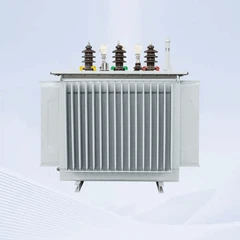




How to select the appropriate oil for oil - immersed substation power transformers?
Jul 11, 2025
Leave a message
Selecting the appropriate oil for oil-immersed substation power transformers is a critical decision that significantly impacts the performance, reliability, and longevity of these essential electrical assets. As a leading supplier of [Substation Power Transformers], I understand the complexities involved in this process and am here to share valuable insights to help you make informed choices.
Understanding the Role of Transformer Oil
Transformer oil serves multiple crucial functions in oil-immersed substation power transformers. Firstly, it acts as an insulator, preventing electrical breakdown between the transformer's windings and other conductive components. This insulation property is essential for maintaining the safe and efficient operation of the transformer, especially under high-voltage conditions.
Secondly, transformer oil functions as a coolant. During the operation of the transformer, electrical losses generate heat, which can cause the temperature of the windings and core to rise. The oil absorbs this heat and transfers it to the transformer's cooling system, ensuring that the temperature remains within acceptable limits. Effective cooling is vital for preventing thermal degradation of the insulation materials and extending the lifespan of the transformer.
In addition to insulation and cooling, transformer oil also helps to protect the internal components of the transformer from oxidation and corrosion. It forms a protective barrier around the conductors and other metal parts, preventing the ingress of moisture and oxygen, which can cause damage over time.
Types of Transformer Oil
There are several types of transformer oil available on the market, each with its own unique properties and characteristics. The most common types include mineral oil, synthetic oil, and bio-based oil.
Mineral Oil
Mineral oil is the most widely used type of transformer oil due to its excellent insulation properties, high dielectric strength, and relatively low cost. It is derived from crude oil through a refining process and is available in different grades, depending on its viscosity, flash point, and other specifications.
One of the main advantages of mineral oil is its long history of use in transformer applications. It has been proven to provide reliable insulation and cooling performance over many years of service. However, mineral oil also has some limitations. It is non-biodegradable and can pose environmental risks if spilled or leaked. Additionally, it has a relatively low fire point, which means that it can ignite under certain conditions, increasing the risk of fire and explosion.
Synthetic Oil
Synthetic oil is a man-made alternative to mineral oil that offers several advantages, including improved fire resistance, higher thermal stability, and better environmental performance. It is typically made from synthetic hydrocarbons or esters and is designed to meet specific performance requirements.
One of the key benefits of synthetic oil is its high fire point, which makes it less likely to ignite and reduces the risk of fire and explosion. This makes it a popular choice for applications where fire safety is a concern, such as in urban areas or near sensitive facilities. Synthetic oil also has a higher thermal stability than mineral oil, which means that it can withstand higher operating temperatures without degrading. This can result in longer transformer lifespans and reduced maintenance requirements.
However, synthetic oil is generally more expensive than mineral oil, which can make it less cost-effective for some applications. Additionally, it may require special handling and storage procedures due to its unique chemical properties.
Bio-based Oil
Bio-based oil is a renewable alternative to mineral and synthetic oil that is derived from natural sources, such as vegetable oils or animal fats. It offers several environmental benefits, including biodegradability, low toxicity, and reduced carbon footprint.
One of the main advantages of bio-based oil is its environmental friendliness. It is biodegradable and can be easily broken down by natural processes, reducing the risk of environmental contamination. Bio-based oil also has a low toxicity, which makes it safer for human health and the environment.
However, bio-based oil also has some limitations. It may have lower oxidation stability than mineral or synthetic oil, which can result in a shorter lifespan and increased maintenance requirements. Additionally, it may not be suitable for all transformer applications due to its unique chemical properties.
Factors to Consider When Selecting Transformer Oil
When selecting the appropriate oil for your oil-immersed substation power transformers, several factors need to be considered, including the transformer's operating conditions, environmental requirements, and budget.
Operating Conditions
The operating conditions of the transformer, such as the ambient temperature, load profile, and voltage level, can have a significant impact on the performance and lifespan of the transformer oil. For example, transformers operating in high-temperature environments may require oil with a higher thermal stability to prevent thermal degradation. Similarly, transformers with high loads or frequent cycling may require oil with better oxidation resistance to maintain its performance over time.
Environmental Requirements
Environmental requirements, such as regulations and standards, can also influence the choice of transformer oil. For example, in some areas, there may be restrictions on the use of non-biodegradable oils due to environmental concerns. In these cases, bio-based oil or synthetic oil may be a more suitable option.
Budget
Budget is another important factor to consider when selecting transformer oil. Mineral oil is generally the most cost-effective option, while synthetic oil and bio-based oil are typically more expensive. However, it is important to balance the cost of the oil with its performance and environmental benefits to ensure that you are getting the best value for your money.
Our Expertise and Solutions
As a trusted supplier of [Substation Power Transformers], we have extensive experience in selecting and supplying the appropriate oil for oil-immersed substation power transformers. We work closely with our customers to understand their specific requirements and provide customized solutions that meet their needs and budget.


We offer a wide range of transformer oils, including mineral oil, synthetic oil, and bio-based oil, to suit different applications and operating conditions. Our oils are sourced from reputable manufacturers and are tested to ensure that they meet the highest quality standards.
In addition to supplying transformer oil, we also provide comprehensive technical support and advice to help our customers make informed decisions about their transformer oil selection. Our team of experts can assist with oil testing, analysis, and maintenance, as well as provide training and education on transformer oil management.
Conclusion
Selecting the appropriate oil for oil-immersed substation power transformers is a critical decision that requires careful consideration of several factors. By understanding the role of transformer oil, the different types available, and the factors to consider when making a selection, you can ensure that your transformers operate safely, efficiently, and reliably for many years to come.
If you are in the market for [Substation Power Transformers] or need assistance with selecting the appropriate oil for your existing transformers, please do not hesitate to contact us. Our team of experts is ready to help you find the best solutions for your needs.
References
- [IEEE C57.106-2014, Guide for Acceptance and Maintenance of Mineral Oil-Immersed Transformers and Components]
- [IEC 60296-2012, Mineral insulating oils – Specifications and tests]
- [ASTM D3487-17, Standard Specification for Mineral Insulating Oil Used in Electrical Apparatus]
Send Inquiry