





How to train the operators of a large power transformer?
Jul 28, 2025
Leave a message
Training operators for large power transformers is a complex yet crucial task. As a supplier of large power transformers, we understand the significance of well - trained operators in ensuring the safe, efficient, and reliable operation of our products. In this blog, we will explore various aspects of training these operators, including the importance of training, key areas of focus, and effective training methods.
The Importance of Operator Training
Large power transformers are vital components in the electrical power grid. They play a central role in stepping up or stepping down voltage levels, enabling the efficient transmission and distribution of electrical energy. Any malfunction or improper operation of these transformers can lead to power outages, equipment damage, and even pose safety risks to personnel.
Well - trained operators are the first line of defense against such issues. They can accurately monitor the transformer's operation, detect early signs of problems, and take appropriate preventive or corrective actions. Moreover, trained operators can optimize the transformer's performance, reducing energy losses and extending its service life. This not only benefits the end - users but also enhances the reputation of our company as a reliable supplier.
Key Areas of Focus in Operator Training
1. Technical Knowledge
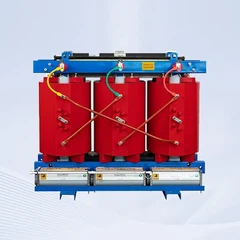
- Transformer Basics: Operators need to have a solid understanding of the basic principles of power transformers. This includes knowledge of electromagnetic induction, which is the fundamental principle behind the operation of transformers. They should also be familiar with the different types of transformers we offer, such as the SG(B)10 Non - encapsulated Dry - type Power Transformer. Dry - type transformers have unique characteristics, such as being more suitable for indoor use and having better fire - resistance properties compared to oil - filled transformers.
- Electrical Parameters: Understanding electrical parameters like voltage, current, power, and impedance is essential. Operators should know how to read and interpret transformer nameplates, which provide crucial information about the transformer's rated voltage, rated current, and other specifications. For example, in the case of the 125kVA 3 Phase Oil Electric Power Transformer, they need to understand how the 125kVA rating relates to the power - handling capacity of the transformer.
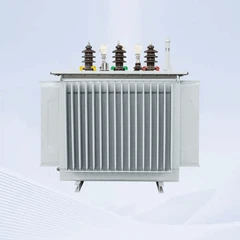
- Cooling Systems: Transformers generate heat during operation, and proper cooling is necessary to maintain their performance and prevent overheating. Operators should be trained on different cooling methods, such as oil - immersed cooling and air - cooling. For oil - filled transformers like the S11 Series, they need to know about oil levels, oil temperature, and the operation of cooling fans or radiators. The S11 Series 6kV - 35kV Power Transformer often uses oil - immersed cooling, and operators must be able to monitor and maintain the cooling system effectively.
2. Safety Procedures
- Personal Protective Equipment (PPE): Operators should be well - versed in the use of appropriate PPE, such as insulated gloves, safety glasses, and hard hats. They need to understand when and how to wear these items to protect themselves from electrical hazards, arc flashes, and other potential dangers.
- Lock - Out/Tag - Out Procedures: These procedures are crucial for preventing accidental energization of the transformer during maintenance or repair work. Operators should know how to properly lock out and tag out the electrical circuits to ensure a safe working environment.
- Emergency Response: In case of a transformer failure or other emergencies, operators need to know the appropriate emergency response procedures. This includes how to shut down the transformer safely, how to deal with oil spills (in the case of oil - filled transformers), and how to contact the relevant emergency services.
3. Maintenance and Inspection
- Regular Inspections: Operators should be trained to conduct regular visual and electrical inspections of the transformer. Visual inspections can help detect physical damage, such as cracks in the transformer casing or loose connections. Electrical inspections involve measuring parameters like insulation resistance and winding resistance to assess the health of the transformer.
- Maintenance Tasks: Basic maintenance tasks, such as tightening bolts, checking oil levels (for oil - filled transformers), and cleaning the transformer, should be part of the operator's training. They should also know when to schedule more in - depth maintenance, such as oil sampling and analysis for oil - filled transformers.
4. Troubleshooting
- Fault Detection: Operators need to be able to identify common faults in transformers, such as overheating, short - circuits, and open - circuits. They should know how to use diagnostic tools, such as multimeters and infrared thermometers, to detect these faults early.
- Problem - Solving: Once a fault is detected, operators should be trained to analyze the problem and come up with appropriate solutions. This may involve simple actions like adjusting the load or more complex procedures like replacing faulty components.
Effective Training Methods
1. Classroom Training
Classroom training provides a structured learning environment where operators can learn theoretical knowledge about power transformers. We can invite experienced engineers or technical experts to conduct lectures on transformer principles, safety procedures, and other key topics. Classroom training also allows for interactive discussions, where operators can ask questions and clarify their doubts.
2. On - the - Job Training
On - the - job training is essential for operators to gain practical experience. They can work alongside experienced technicians to learn how to perform tasks such as inspections, maintenance, and troubleshooting in real - world scenarios. This hands - on training helps them develop the skills and confidence needed to operate the transformers effectively.
3. Simulation Training
Simulation training can be a valuable addition to the training program. Using computer - based simulations, operators can experience different operating conditions and fault scenarios without the risk of damaging the actual transformer. This allows them to practice their troubleshooting skills in a safe and controlled environment.
4. Online Training Resources
We can provide online training resources, such as video tutorials, e - books, and online quizzes. These resources are accessible anytime and anywhere, allowing operators to learn at their own pace. Online training can also be updated easily to reflect the latest technologies and best practices in transformer operation.
Continuous Learning and Support
Training is not a one - time event. The field of power transformers is constantly evolving, with new technologies and regulations emerging. Therefore, we should encourage operators to engage in continuous learning. We can offer refresher courses, organize workshops on new products or technologies, and provide access to industry research and publications.


In addition, we should provide ongoing support to operators. This includes a dedicated technical support team that they can contact for advice and assistance. Our technical support team can help operators solve complex problems, provide guidance on maintenance and troubleshooting, and keep them updated on the latest information related to our transformers.
Conclusion
Training the operators of large power transformers is a multi - faceted process that requires a comprehensive approach. By focusing on key areas such as technical knowledge, safety procedures, maintenance, and troubleshooting, and using effective training methods like classroom training, on - the - job training, simulation training, and online resources, we can ensure that operators are well - equipped to operate our transformers safely and efficiently.
If you are interested in our large power transformers or need more information about our training programs, we welcome you to contact us for procurement and further discussions. We are committed to providing high - quality products and excellent support to our customers.
References
- Electric Power Systems: Analysis and Control by G. C. Verghese and M. A. Pai
- Power System Protection and Switchgear by A. K. Sawhney
- Transformer Engineering: Design, Technology, and Diagnostics by G. K. Dubey
Send Inquiry