

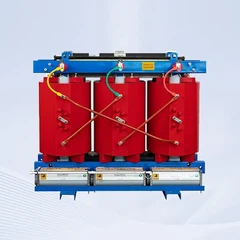
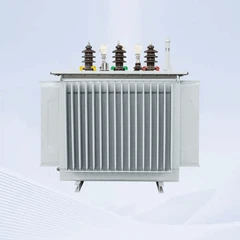




What are the accessories of dry transformers?
Jul 09, 2025
Leave a message
As a leading supplier of dry transformers, I'm excited to delve into the world of dry transformer accessories. These components play a crucial role in enhancing the performance, safety, and reliability of dry transformers. In this blog post, I'll explore the various accessories commonly used with dry transformers, their functions, and how they contribute to the overall operation of these essential electrical devices.
Temperature Monitoring Devices
Temperature is a critical factor in the operation of dry transformers. Excessive heat can lead to insulation degradation, reduced lifespan, and even catastrophic failure. To prevent these issues, temperature monitoring devices are essential accessories for dry transformers.
Thermostats
Thermostats are used to monitor the temperature of the transformer windings and activate cooling fans or other cooling systems when the temperature exceeds a pre-set limit. They typically consist of a temperature sensor, a control unit, and a relay that switches the cooling system on or off. Thermostats help maintain the transformer's temperature within a safe operating range, ensuring optimal performance and longevity.
Thermal Imaging Cameras
Thermal imaging cameras provide a non-contact method of monitoring the temperature distribution across the surface of the transformer. They can detect hotspots and identify potential problems before they cause significant damage. Thermal imaging cameras are particularly useful for identifying loose connections, overloaded circuits, and other issues that can lead to excessive heat generation.
Cooling Systems
Cooling is essential for maintaining the temperature of dry transformers within a safe operating range. There are several types of cooling systems available, each with its own advantages and disadvantages.
Natural Air Cooling
Natural air cooling is the simplest and most cost-effective method of cooling dry transformers. It relies on the natural convection of air to remove heat from the transformer. The transformer is designed with fins or other heat-dissipating surfaces to increase the surface area available for heat transfer. Natural air cooling is suitable for small to medium-sized transformers with low to moderate loads.
Forced Air Cooling
Forced air cooling uses fans to circulate air over the transformer, increasing the rate of heat transfer. This method is more effective than natural air cooling and can be used for larger transformers or those operating under higher loads. Forced air cooling systems can be either open or closed-loop, depending on the application.
Liquid Cooling
Liquid cooling systems use a coolant, such as oil or water, to remove heat from the transformer. They are typically more efficient than air cooling systems and can be used for high-power transformers or those operating in harsh environments. Liquid cooling systems require additional components, such as pumps, radiators, and heat exchangers, which increase the complexity and cost of the system.
Protection Devices
Protection devices are essential for safeguarding dry transformers against overcurrent, overvoltage, and other electrical faults. They help prevent damage to the transformer and ensure the safety of personnel and equipment.
Fuses
Fuses are one of the most common protection devices used in dry transformers. They are designed to break the circuit when the current exceeds a pre-set limit, preventing damage to the transformer. Fuses are available in a variety of ratings and types, depending on the application.
Circuit Breakers
Circuit breakers are another type of protection device used in dry transformers. They can be manually or automatically operated to interrupt the circuit in the event of an overcurrent or other electrical fault. Circuit breakers are more expensive than fuses but offer greater flexibility and reliability.
Surge Arresters
Surge arresters are used to protect dry transformers against voltage surges caused by lightning strikes, switching operations, or other transient events. They divert the excess voltage to the ground, preventing damage to the transformer. Surge arresters are typically installed at the input and output terminals of the transformer.
Monitoring and Control Systems
Monitoring and control systems are used to monitor the performance of dry transformers and ensure their safe and efficient operation. They can provide real-time data on temperature, voltage, current, and other parameters, allowing operators to detect and address potential problems before they cause significant damage.
Remote Monitoring Systems
Remote monitoring systems allow operators to monitor the performance of dry transformers from a central location. They use sensors and communication technology to transmit data to a monitoring station, where it can be analyzed and displayed in real-time. Remote monitoring systems can help reduce downtime, improve efficiency, and enhance the safety of personnel and equipment.
Automation Systems
Automation systems are used to control the operation of dry transformers and other electrical equipment. They can automatically adjust the cooling system, switch between different power sources, and perform other tasks based on pre-set parameters. Automation systems can help improve the efficiency and reliability of dry transformers, reduce the need for manual intervention, and enhance the safety of personnel and equipment.


Enclosures
Enclosures are used to protect dry transformers from environmental factors, such as dust, moisture, and vandalism. They also provide a barrier between the transformer and personnel, reducing the risk of electrical shock.
Indoor Enclosures
Indoor enclosures are designed for use in protected environments, such as electrical substations, industrial facilities, and commercial buildings. They are typically made of steel or aluminum and are available in a variety of sizes and configurations. Indoor enclosures can be either free-standing or wall-mounted, depending on the application.
Outdoor Enclosures
Outdoor enclosures are designed for use in harsh environments, such as utility substations, wind farms, and solar power plants. They are typically made of weather-resistant materials, such as stainless steel or fiberglass, and are designed to withstand extreme temperatures, humidity, and UV radiation. Outdoor enclosures can be either free-standing or pad-mounted, depending on the application.
Conclusion
In conclusion, the accessories of dry transformers play a crucial role in enhancing their performance, safety, and reliability. Temperature monitoring devices, cooling systems, protection devices, monitoring and control systems, and enclosures are all essential components that contribute to the overall operation of dry transformers. As a supplier of dry transformers, we offer a wide range of high-quality accessories to meet the needs of our customers. Whether you're looking for a 30kVA Dry-type Three-Phase Power Transformer With Voltage Control, an SC(B) Three Phase Dry-type Distribution Transformer, or a 300 Kva Three Phase Dry Type Distribution Transformer Supplier, we have the expertise and experience to provide you with the right solution.
If you're interested in learning more about our dry transformers and accessories, or if you have any questions or need assistance with your project, please don't hesitate to contact us. We're here to help you find the best solution for your needs and ensure the success of your project.
References
- Electrical Power Systems Quality, by Roger C. Dugan, Mark F. McGranaghan, and Surya Santoso
- Transformer Engineering: Design, Technology, and Diagnostics, by G. Deb and S. K. Bhattacharya
- Handbook of Transformer Technology: Design and Application, by T. A. Short
Send Inquiry