





What is the cooling method of a Pad Mounted Transformer?
Jul 09, 2025
Leave a message
Hey there! As a supplier of Pad Mounted Transformers, I often get asked about how these things keep cool. So, I thought I'd take a few minutes to break it down for you.
First off, let's talk about why cooling is such a big deal. Pad Mounted Transformers are basically big boxes that transfer electrical energy from one circuit to another. In the process, they generate a lot of heat. If that heat isn't managed properly, it can damage the transformer, reduce its lifespan, and even pose a safety risk. So, having an effective cooling method is crucial.
There are a few different cooling methods used for Pad Mounted Transformers, and I'll go over each one in detail.
Oil - Immersed Cooling
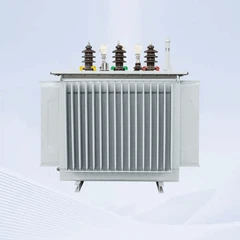
One of the most common cooling methods for Pad Mounted Transformers is oil - immersed cooling. In this setup, the transformer's core and windings are submerged in a special insulating oil. This oil serves two main purposes. First, it's an excellent electrical insulator, which helps prevent short - circuits between the different parts of the transformer. Second, it's a great heat conductor.
The oil absorbs the heat generated by the core and windings as the transformer operates. As the oil heats up, it rises to the top of the tank. There, it transfers its heat to the walls of the transformer tank, which are in contact with the outside air. The cooler oil then sinks back down to the bottom, creating a natural convection current. This continuous cycle of rising and sinking helps to keep the transformer at a safe operating temperature.
Some oil - immersed transformers also have external radiators or cooling fins attached to the tank. These radiators increase the surface area of the transformer that's exposed to the air, which speeds up the heat transfer process. For example, our Single Phase Pad Mounted Transformer often uses this oil - immersed cooling method. It's a reliable and time - tested way to keep the transformer running smoothly.
Air - Cooled Transformers
Another option is air - cooled transformers. These transformers use air as the cooling medium instead of oil. There are two main types of air - cooled Pad Mounted Transformers: natural air cooling (AN) and forced air cooling (AF).
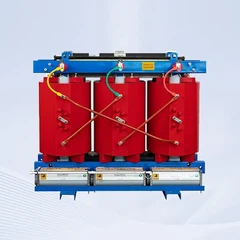
In natural air cooling, the heat generated by the transformer is dissipated into the surrounding air through natural convection. The warm air rises, and cooler air is drawn in to replace it. This is a simple and cost - effective method, but it's not as efficient as oil - immersed cooling. It's typically used for smaller transformers or in applications where the load is relatively light.
Forced air cooling takes the concept of air cooling a step further. In this case, fans are used to blow air over the transformer's core and windings. The fans increase the rate of air flow, which helps to remove heat more quickly. This makes forced air cooling suitable for larger transformers or those that operate under heavy loads. Our 2000 Kva Three Phase Pad Mounted Transformer can be configured with forced air cooling for better performance in high - demand situations.
Hybrid Cooling Systems
Some Pad Mounted Transformers use a combination of oil - immersed and air - cooled methods. These hybrid systems take advantage of the best features of both cooling methods. For example, the core and windings may be oil - immersed for efficient heat transfer and electrical insulation, while external fans or radiators are used to enhance the air - cooling process.
This approach can provide a more balanced and effective cooling solution, especially for transformers that need to handle variable loads. The oil can absorb the initial heat spike, and the air - cooling components can help maintain a stable temperature over time. Our 75KVA Single Phase Pad Mounted Distribution Transformer can be designed with a hybrid cooling system to meet the specific needs of different customers.
Maintenance and Monitoring
Regardless of the cooling method used, proper maintenance and monitoring are essential for the long - term performance of Pad Mounted Transformers. For oil - immersed transformers, regular oil sampling and testing are necessary to check for contaminants and degradation. The oil level also needs to be monitored to ensure there are no leaks.
In air - cooled transformers, the fans and air filters need to be inspected and cleaned regularly. Clogged air filters can reduce the efficiency of the cooling system, leading to overheating.
We also recommend installing temperature sensors in the transformers. These sensors can provide real - time data on the transformer's temperature, allowing operators to detect any potential issues early on. If the temperature starts to rise above the normal range, it could be a sign of a problem with the cooling system or other components of the transformer.
Conclusion
In conclusion, the cooling method of a Pad Mounted Transformer is a critical aspect of its design and performance. Whether it's oil - immersed, air - cooled, or a hybrid system, each method has its own advantages and is suitable for different applications. As a supplier, we understand the importance of choosing the right cooling method for our customers' needs.
If you're in the market for a Pad Mounted Transformer and want to learn more about the cooling options available, or if you have any other questions, feel free to reach out to us. We're here to help you make the best decision for your electrical infrastructure.


References
- Electric Power Substations Engineering by Turan Gönen
- Transformer Engineering: Design, Technology, and Diagnostics by George Anders
Send Inquiry