





What are the common faults of a compact substation transformer and how to solve them?
Aug 07, 2025
Leave a message
Hey there! As a supplier of Compact Substation Transformers, I've seen my fair share of issues over the years. In this blog, I'll walk you through some of the common faults that can pop up with these transformers and how we can solve them.
Let's start with the overheating problem. One of the most frequent headaches we encounter is when the transformer starts to run too hot. There are a few reasons for this. First off, it could be due to overloading. If the transformer is handling more power than it's rated for, it's going to heat up like crazy. Another culprit could be poor ventilation. If the cooling system isn't working properly or there's not enough air circulation around the transformer, the heat can't escape.


So, how do we fix this? Well, if it's an overloading issue, we need to look at the load requirements. Maybe we need to upgrade the transformer to a higher capacity model. That way, it can handle the power without breaking a sweat. If it's a ventilation problem, we'll check the cooling fans and make sure they're running correctly. Sometimes, just cleaning the vents can make a big difference. We might also consider adding additional cooling equipment if the situation calls for it.
Another common fault is insulation breakdown. The insulation in a transformer is crucial as it keeps the electrical currents where they're supposed to be. Over time, though, the insulation can degrade due to factors like age, moisture, or high temperatures. When this happens, it can lead to short circuits and other electrical problems.
To deal with insulation breakdown, we first need to identify the cause. If it's due to moisture, we'll need to dry out the transformer and take steps to prevent future moisture ingress. This could involve sealing any leaks or installing moisture barriers. If the insulation is just old and worn out, we'll have to replace it. It's a bit of a pain, but it's necessary to keep the transformer running safely and efficiently.
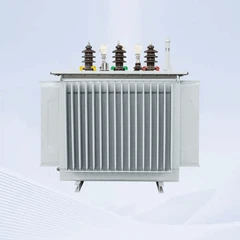
Now, let's talk about oil leaks. Many compact substation transformers use oil for cooling and insulation. But if there's a leak, it can cause all sorts of problems. Not only does it reduce the effectiveness of the cooling and insulation, but it can also be a safety hazard. Oil leaks can be caused by damaged gaskets, cracks in the transformer tank, or loose connections.
When we find an oil leak, we'll first locate the source. If it's a gasket issue, we'll replace the gasket. Cracks in the tank might require welding or patching, depending on the severity. And for loose connections, we'll simply tighten them up. After fixing the leak, we'll make sure to replenish the oil to the proper level.
Noise is another thing that can be a sign of trouble. A transformer should run relatively quietly. If you start to hear loud humming, buzzing, or other strange noises, it could indicate a problem. It might be due to loose parts, a short circuit, or magnetic issues.
To address noise problems, we'll do a thorough inspection. We'll check for any loose components and tighten them if necessary. If it's a short circuit, we'll trace the problem and fix it. Magnetic issues can be a bit trickier, but we have the expertise to diagnose and resolve them. Sometimes, it might involve adjusting the transformer's core or windings.
One more fault that we sometimes come across is voltage regulation problems. A transformer is supposed to maintain a stable output voltage. But if there are issues with the voltage regulation, it can lead to problems for the connected equipment. This can be caused by a faulty voltage regulator, problems with the tap changer, or issues with the input voltage.
To solve voltage regulation problems, we'll test the voltage regulator and the tap changer. If either of them is malfunctioning, we'll replace the faulty component. We'll also check the input voltage to make sure it's within the acceptable range. If the input voltage is unstable, we might need to install additional voltage stabilization equipment.
Now, if you're in the market for a Compact Substation Transformer, you might be interested in our Prefabricated Compact Transformer Substation. It's a great option for many applications, offering reliable performance and easy installation. We also have Distribution Substation solutions and Unit Substation options to meet your specific needs.
If you're facing any of these common faults with your current transformer or you're looking to purchase a new one, don't hesitate to get in touch. We're here to help you find the best solution for your situation. Whether it's troubleshooting an existing problem or selecting the right transformer for your project, we've got the knowledge and experience to assist you.
In conclusion, while compact substation transformers are generally reliable, they can still develop faults over time. By being aware of these common issues and knowing how to solve them, you can keep your transformer running smoothly and avoid costly downtime. And if you ever need help, we're just a call away.
References:
- Electrical Power Transformer Engineering by Turan Gonen
- Handbook of Transformer Engineering: Design and Practice by Syed A. Nasar and Lakshminarasimha Simhadri
Send Inquiry