





What are the effects of humidity on substation power transformers?
Jul 21, 2025
Leave a message
Hey there! As a supplier of substation power transformers, I've seen firsthand how different environmental factors can mess with these important pieces of equipment. One factor that often doesn't get as much attention as it should is humidity. In this blog post, I'm gonna break down the effects of humidity on substation power transformers and why it's crucial for you to keep an eye on it.
How Humidity Affects Insulation
Let's start with the insulation. Substation power transformers rely on insulation materials to keep the electrical currents where they're supposed to be and prevent short - circuits. High humidity can seriously mess with this insulation.
Moisture is like a sneaky intruder. When the air is humid, water vapor can penetrate the insulation materials. This reduces the insulation's dielectric strength. In simpler terms, it makes the insulation less effective at keeping the electricity in check. Over time, this can lead to partial discharges within the transformer. These partial discharges are like small electrical sparks that gradually damage the insulation. If left unchecked, they can cause the insulation to break down completely, resulting in a transformer failure.
For example, in coastal areas where the humidity levels are often high, we've seen more cases of insulation degradation in transformers. The salt in the air along with the moisture creates a corrosive environment that speeds up the process. And let me tell you, replacing a failed transformer is not only expensive but also causes a lot of downtime.
Impact on Cooling Systems
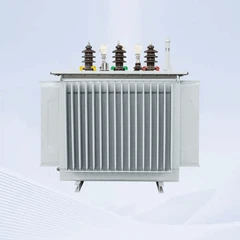
Another area where humidity takes its toll is the cooling system of the transformer. Most substation power transformers use oil for cooling. When humidity is high, the oil can absorb moisture. This is a big problem because water in the oil reduces its cooling efficiency.
The oil's ability to transfer heat away from the transformer core and windings is compromised. As a result, the transformer runs hotter than it should. High operating temperatures are a major enemy of transformers. They can cause the insulation to age faster and can also lead to the formation of sludge in the oil. Sludge can clog the cooling channels, further reducing the cooling capacity and creating a vicious cycle of overheating.
We've had customers who noticed that their transformers were running hotter during the rainy season. After some testing, we found that the oil had absorbed a significant amount of moisture due to the high humidity. Once we replaced the oil and installed moisture - control devices, the temperature of the transformers went back to normal.
Corrosion of Metal Components
Humidity also plays a role in the corrosion of metal components in the transformer. The transformer's tank, radiators, and other metal parts are all at risk. When water vapor in the air comes into contact with these metal surfaces, it can cause oxidation.
Corrosion weakens the structural integrity of the metal components. For instance, a corroded tank can develop leaks, which can lead to oil spills and environmental hazards. And if the radiators are corroded, their heat - dissipation ability is reduced, which again contributes to overheating.
In areas with high humidity and industrial pollution, the problem is even worse. The pollutants in the air can react with the moisture to form acidic compounds that accelerate the corrosion process. We've seen transformers in industrial areas where the metal parts have corroded so badly that they needed to be replaced much earlier than expected.
How to Mitigate the Effects of Humidity
Now that we know the problems humidity can cause, let's talk about how to deal with it.


Moisture - Control Devices
One of the most effective ways is to install moisture - control devices. These can include breather filters that remove moisture from the air entering the transformer. They work by using desiccants that absorb the water vapor. Some advanced breather filters can even indicate when the desiccant needs to be replaced.
Regular Maintenance and Testing
Regular maintenance is key. This includes checking the insulation resistance, oil quality, and the condition of the metal components. Testing the oil for moisture content on a regular basis can help you catch any problems early. If the moisture content is too high, you can either replace the oil or use a process called oil regeneration to remove the moisture.
Proper Location and Enclosure
Choosing the right location for the transformer is also important. Try to avoid areas with high humidity if possible. If that's not an option, make sure the transformer is installed in an enclosure that provides some protection from the elements. The enclosure should be well - sealed to prevent moisture from getting in.
Our Product Range
As a supplier, we offer a wide range of substation power transformers that are designed to handle different environmental conditions. We have 6KV Pre-assembled Substation 10KV 35KV European Style Substation Transformer which are built with high - quality insulation materials and have advanced moisture - control features. These transformers are suitable for both indoor and outdoor installations and can withstand high humidity levels.
Our Prefabricated Compact Substation are another great option. They are compact in size but offer high performance. They come with built - in protection against moisture and corrosion, making them ideal for areas with challenging environmental conditions.
And if you're looking for something more space - efficient, our Mini Substation is a perfect choice. Despite their small size, they are designed to provide reliable power supply and are equipped with measures to combat the effects of humidity.
Conclusion
In conclusion, humidity can have a significant impact on substation power transformers. It can damage the insulation, reduce the cooling efficiency, and cause corrosion of metal components. But with the right measures in place, you can minimize these effects and ensure the long - term performance of your transformers.
If you're in the market for substation power transformers or need advice on how to deal with humidity - related issues, don't hesitate to reach out. We're here to help you find the best solutions for your specific needs. Whether it's choosing the right transformer or implementing a maintenance plan, we've got you covered.
References
- Electrical Power Transformer Engineering by L. F. Blume, A. J. Boyajian, and L. M. Lewis
- Transformer Engineering: Design, Technology, and Diagnostics by T. A. Lipo and V. K. Garg
Send Inquiry