





What are the cooling methods for a large power transformer?
Jul 21, 2025
Leave a message
As a leading supplier of large power transformers, I understand the critical importance of efficient cooling methods in ensuring the optimal performance and longevity of these essential electrical components. In this blog post, I will delve into the various cooling techniques employed for large power transformers, highlighting their advantages, limitations, and applications.


Why Cooling is Crucial for Large Power Transformers
Large power transformers are designed to handle high voltages and currents, which inevitably generate a significant amount of heat during operation. If this heat is not effectively dissipated, it can lead to a range of problems, including reduced efficiency, accelerated aging of the insulation materials, and even catastrophic failure. Therefore, proper cooling is essential to maintain the temperature of the transformer within safe limits and ensure its reliable operation.
Common Cooling Methods for Large Power Transformers
1. Oil-Immersed Cooling
Oil-immersed cooling is one of the most widely used methods for large power transformers. In this system, the transformer core and windings are immersed in a special insulating oil, which serves both as an electrical insulator and a coolant. The oil absorbs the heat generated by the transformer and transfers it to the cooling surfaces, such as radiators or heat exchangers.
Advantages:
- Excellent thermal conductivity: Transformer oil has a high thermal conductivity, which allows it to efficiently transfer heat from the core and windings to the cooling surfaces.
- Good electrical insulation: The oil provides a high level of electrical insulation, protecting the transformer from electrical breakdown.
- Self-circulation: The oil can circulate naturally due to the temperature difference between the hot and cold regions of the transformer, eliminating the need for external pumps in some cases.
Limitations:
- Fire hazard: Transformer oil is flammable, which poses a potential fire risk if not properly managed.
- Environmental concerns: In the event of a leak or spill, the oil can contaminate the environment.
- Maintenance requirements: Regular oil testing and maintenance are required to ensure the oil's quality and performance.
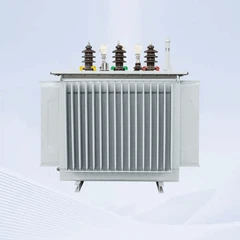
One of our popular products, the S11-35KV Oil Immersed Power Transformer, utilizes oil-immersed cooling technology to provide reliable and efficient power transformation.
2. Air Cooling
Air cooling is another common method used for large power transformers, especially in applications where oil-immersed cooling is not suitable or desirable. In this system, air is used as the coolant to remove heat from the transformer. There are two main types of air cooling: natural air cooling (AN) and forced air cooling (AF).
Natural Air Cooling (AN):
- In natural air cooling, the heat is dissipated from the transformer surface to the surrounding air by natural convection. The transformer is typically designed with fins or radiators to increase the surface area available for heat transfer.
- Advantages: Simple design, low cost, and no need for external power sources.
- Limitations: Limited cooling capacity, which makes it suitable for smaller transformers or applications with low heat loads.
Forced Air Cooling (AF):
- Forced air cooling uses fans to blow air over the transformer surface, enhancing the heat transfer rate. This method can significantly increase the cooling capacity of the transformer compared to natural air cooling.
- Advantages: Higher cooling capacity, suitable for larger transformers and applications with higher heat loads.
- Limitations: Requires external power sources for the fans, which increases energy consumption and maintenance requirements.
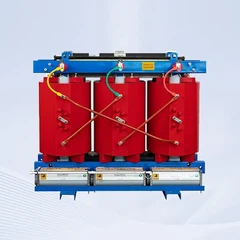
Our Dry Type Power Transformer often employs air cooling technology, offering a safe and reliable solution for various applications.
3. Water Cooling
Water cooling is a highly efficient cooling method that can be used for large power transformers with extremely high heat loads. In this system, water is used as the coolant to remove heat from the transformer. There are two main types of water cooling: direct water cooling and indirect water cooling.
Direct Water Cooling:
- In direct water cooling, water is circulated directly through the transformer windings or cooling channels to remove heat. This method provides the most efficient heat transfer but requires a high-quality water supply and strict water treatment to prevent corrosion and scaling.
- Advantages: High cooling efficiency, suitable for large transformers with very high heat loads.
- Limitations: Complex design, high cost, and strict water quality requirements.
Indirect Water Cooling:
- Indirect water cooling uses a heat exchanger to transfer heat from the transformer oil or air to the water. This method is less complex and more flexible than direct water cooling, as it does not require the water to come into direct contact with the transformer components.
- Advantages: Good cooling efficiency, relatively simple design, and lower water quality requirements.
- Limitations: Requires additional equipment, such as heat exchangers and pumps, which increases the cost and complexity of the system.
4. Hybrid Cooling
Hybrid cooling systems combine two or more cooling methods to achieve the best cooling performance and efficiency. For example, a transformer may use oil-immersed cooling for the core and windings and forced air cooling for the radiators or heat exchangers. This approach allows for the advantages of each cooling method to be utilized while minimizing their limitations.
Advantages:
- High cooling efficiency: Hybrid cooling systems can provide a higher level of cooling performance compared to single cooling methods.
- Flexibility: The combination of different cooling methods allows for greater flexibility in designing the cooling system to meet the specific requirements of the transformer and the application.
- Improved reliability: By using multiple cooling methods, the system can continue to operate even if one of the cooling components fails.
Limitations:
- Complex design: Hybrid cooling systems are more complex than single cooling methods, which increases the cost and maintenance requirements.
Choosing the Right Cooling Method
The choice of cooling method for a large power transformer depends on several factors, including the transformer's size, rating, application, environmental conditions, and budget. Here are some general guidelines to help you choose the right cooling method:
- Small to medium-sized transformers: For small to medium-sized transformers with relatively low heat loads, air cooling (either natural or forced) or oil-immersed cooling may be sufficient.
- Large transformers: For large transformers with high heat loads, oil-immersed cooling, water cooling, or hybrid cooling systems are typically recommended.
- Environmental considerations: In applications where environmental concerns are a priority, such as in urban areas or near water sources, dry type transformers with air cooling may be a better choice.
- Cost: The cost of the cooling system is an important factor to consider, including the initial purchase cost, installation cost, and operating cost. Oil-immersed cooling is generally more cost-effective than water cooling, but it may require more maintenance.
Conclusion
Efficient cooling is essential for the reliable operation and longevity of large power transformers. By understanding the different cooling methods available and their advantages and limitations, you can choose the right cooling system for your specific application. As a leading supplier of large power transformers, we offer a wide range of products with various cooling options to meet your needs. Whether you require an oil-immersed transformer, a dry type transformer, or a custom-designed cooling solution, we have the expertise and experience to provide you with the best product and service.
If you are interested in learning more about our large power transformers or would like to discuss your specific requirements, please feel free to contact us. Our team of experts is ready to assist you in finding the right solution for your power transformation needs.
References
- IEEE Standard C57.12.00 - General Requirements for Liquid-Immersed Distribution, Power, and Regulating Transformers
- IEC 60076 - Power Transformers
- ANSI C57.12.20 - Standard for Dry-Type Distribution and Power Transformers
Send Inquiry