





What are the energy - saving measures for a 750 kva dry type transformer?
Jul 17, 2025
Leave a message
As a supplier of 750 kva dry type transformers, I've seen firsthand the growing demand for energy - saving solutions in the power distribution sector. In this blog, I'll share some effective energy - saving measures for 750 kva dry type transformers, which not only help reduce electricity costs but also contribute to environmental protection.
Select High - Efficiency Transformer Models
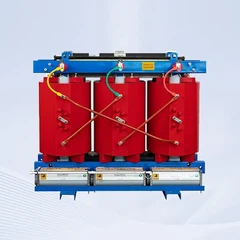
The first step in energy - saving is to choose a high - efficiency transformer. Modern dry type transformers, such as the SCB12 High Frequency Epoxy Resin Insulated Dry Type Transformer, are designed with advanced technology and materials to minimize losses. The SCB12 series uses high - quality silicon steel sheets with low core loss. These silicon steel sheets have excellent magnetic properties, which can significantly reduce the hysteresis and eddy current losses in the core during the operation of the transformer.
The manufacturing process of the SCB12 also ensures a more precise winding structure. The windings are evenly distributed, which reduces the resistance and thus the copper loss. Compared with traditional transformers, high - efficiency transformers like SCB12 can save a considerable amount of energy over their long service life. Another great option is the SCB12 - 10KV Epoxy Resin Cast Dry Type Transformer. It is specifically designed for 10KV power systems. The epoxy resin casting provides good insulation performance and also helps in reducing the leakage flux, which further contributes to energy savings.


Optimize Transformer Loading
Proper loading of the transformer is crucial for energy efficiency. A 750 kva dry type transformer operates most efficiently at a certain load level. If the transformer is under - loaded, a large part of its capacity is idle, and the fixed losses (core losses) account for a relatively high proportion of the total power consumption. On the other hand, over - loading the transformer not only shortens its service life but also increases the copper losses significantly.
It is recommended to keep the transformer load between 70% - 85% of its rated capacity. For example, for a 750 kva transformer, the ideal load range is between 525 kva (70% of 750 kva) and 637.5 kva (85% of 750 kva). Regular monitoring of the transformer load can be achieved through power monitoring systems. These systems can provide real - time data on the load, allowing operators to adjust the power consumption of the connected equipment in a timely manner to maintain the optimal load level.
Improve Cooling Conditions
Effective cooling is essential for the energy - efficient operation of a dry type transformer. Overheating can increase the resistance of the windings, leading to higher copper losses. Dry type transformers usually use natural air cooling (AN) or forced air cooling (AF).
In natural air - cooled systems, ensure that the installation environment has good ventilation. The transformer should be installed in a well - ventilated room with sufficient clearances around it. Avoid installing the transformer in a confined space or near heat - generating equipment. If the natural ventilation is not sufficient, forced air - cooling systems can be considered. Forced air - cooling uses fans to blow air through the transformer windings, which can quickly dissipate the heat generated during operation.
Regularly clean the cooling fans and air ducts to ensure their normal operation. Dust and debris on the fans and in the air ducts can reduce the cooling efficiency. In addition, some advanced dry type transformers are equipped with intelligent temperature control systems. These systems can automatically adjust the operation of the cooling fans according to the temperature of the transformer, ensuring that the transformer operates within the safe temperature range while minimizing the energy consumption of the cooling system.
Power Factor Correction
A low power factor can increase the apparent power demand on the transformer, resulting in higher losses. Power factor correction is an effective measure to improve the energy efficiency of the transformer. Installing power factor correction capacitors at the load side can compensate for the reactive power, reducing the reactive current flowing through the transformer.
When the power factor is improved, the apparent power required by the load decreases, and the transformer can operate more efficiently. For example, if a large number of inductive loads, such as motors, are connected to the transformer, these loads usually have a low power factor. By installing appropriate power factor correction capacitors, the power factor can be increased from, say, 0.7 to 0.9 or higher. This not only reduces the losses in the transformer but also helps in reducing the electricity bills as many power utilities charge for low - power - factor usage.
Regular Maintenance
Regular maintenance is a key factor in ensuring the long - term energy - efficient operation of a 750 kva dry type transformer. Inspect the transformer regularly for any signs of damage, such as cracks in the insulation, loose connections, or overheating. Tighten any loose connections to reduce the contact resistance, which can cause additional losses.
Check the insulation resistance of the windings periodically. A decrease in insulation resistance may indicate insulation aging or damage, which can lead to increased leakage current and energy losses. Replace any damaged or worn - out components promptly. For example, if a cooling fan fails, replace it immediately to maintain the proper cooling of the transformer.
Clean the transformer regularly to remove dust and dirt. Dust can accumulate on the windings and core, reducing the heat dissipation efficiency and increasing the losses. Use appropriate cleaning tools and methods to ensure that the cleaning process does not damage the transformer.
Conclusion
Implementing these energy - saving measures for 750 kva dry type transformers can bring significant benefits, including lower electricity costs, extended transformer service life, and reduced environmental impact. As a supplier, we offer a wide range of high - quality dry type transformers, such as the SCB12 High Frequency Epoxy Resin Insulated Dry Type Transformer, SCB12 - 10KV Epoxy Resin Cast Dry Type Transformer, and 50KVA/10KV Cast Resin Dry Type Aluminum Copper Transformer.
If you are interested in our products or need more information about energy - saving solutions for your transformers, please feel free to contact us for procurement and negotiation. We are committed to providing you with the best products and services to meet your energy - saving needs.
References
- IEEE Std C57.12.01 - 2010, “Standard General Requirements for Liquid - Immersed Distribution, Power, and Regulating Transformers”.
- IEC 60076 - 11:2004, “Power transformers - Part 11: Dry - type transformers”.
- AS/NZS 60076.11:2014, “Power transformers - Part 11: Dry - type transformers”.
Send Inquiry