





What are the fire - prevention measures for substation power transformers?
Apr 15, 2026
Leave a message
Power transformers are the heart of substations, playing a crucial role in the efficient transmission and distribution of electrical energy. However, transformers are also prone to fire hazards, which can lead to significant damage to equipment, interruption of power supply, and even pose risks to human safety. As a leading supplier of substation power transformers, we understand the importance of fire prevention.
In this blog post, we will explore the key fire - prevention measures for substation power transformers.

Understanding the Fire Risks in Substation Power Transformers
Before delving into the prevention measures, it's essential to understand the potential fire risks associated with substation power transformers.
The main causes of transformer fires include:
- Overheating: Excessive current flow, poor ventilation, or malfunctioning cooling systems can cause the transformer to overheat. When the temperature rises beyond a certain level, the insulating materials in the transformer can catch fire.
- Electrical Faults: Short - circuits, arcing, and insulation breakdown can generate high - energy electrical discharges, which can ignite the flammable insulating oil or other combustible materials in the transformer.
- External Factors: External factors such as lightning strikes, vandalism, or nearby fires can also pose a threat to the safety of transformers.
Fire - Prevention Measures
1. Design and Installation
- Proper Siting: The location of the transformer is crucial. It should be installed in a well - ventilated area, away from flammable materials and sources of ignition. Adequate clearance should be maintained around the transformer to allow for proper heat dissipation and easy access for maintenance.
- Quality Insulation: High - quality insulating materials should be used in the construction of the transformer. The insulation should be able to withstand high temperatures and electrical stresses without breaking down. Regular insulation testing should be carried out to ensure its integrity.
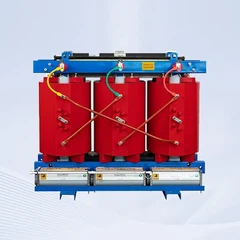
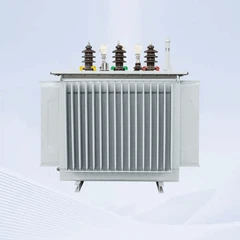
- Cooling System Design: An efficient cooling system is essential to prevent overheating. The cooling system should be designed to remove heat effectively from the transformer. Different types of cooling methods, such as oil - immersed cooling and air - cooled systems, can be used depending on the size and application of the transformer.
2. Monitoring and Maintenance
- Temperature Monitoring: Continuous temperature monitoring of the transformer is necessary. Temperature sensors can be installed at critical points in the transformer, such as the windings and oil. If the temperature exceeds the normal range, an alarm can be triggered, allowing for timely intervention.
- Oil Analysis: Regular oil analysis is an important part of transformer maintenance. The oil in the transformer acts as an insulator and coolant. By analyzing the oil, it is possible to detect the presence of contaminants, moisture, and other signs of degradation. If any issues are detected, the oil can be replaced or treated.
- Inspection and Testing: Regular visual inspections and electrical testing of the transformer should be carried out. This includes checking for signs of physical damage, loose connections, and abnormal electrical behavior. Insulation resistance testing, dielectric tests, and partial discharge tests can help identify potential problems before they lead to a fire.
3. Protection Systems
- Overcurrent Protection: Overcurrent protection relays are installed to detect excessive current flow in the transformer. When an overcurrent condition is detected, the relay can trip the circuit breaker, disconnecting the transformer from the power supply. This helps prevent overheating and damage to the transformer.
- Differential Protection: Differential protection is a sensitive protection scheme that compares the current entering and leaving the transformer. Any difference in the current indicates a fault within the transformer. When a fault is detected, the differential protection relay can quickly trip the circuit breaker to isolate the transformer.
- Fire Detection and Suppression Systems: Fire detection systems, such as smoke detectors and heat sensors, should be installed in the transformer area. These systems can detect the early signs of a fire and trigger an alarm. In addition, fire suppression systems, such as water - based or foam - based extinguishers, can be installed to quickly extinguish the fire if it occurs.
4. Staff Training
- Safety Training: All personnel involved in the operation and maintenance of substation power transformers should receive comprehensive safety training. This includes training on fire prevention, emergency response procedures, and the proper use of fire - fighting equipment.
- Regular Drills: Regular fire drills should be conducted to ensure that the staff is familiar with the emergency response procedures. These drills can help improve the response time and effectiveness of the staff in case of a fire.
Our Products and Their Fire - Prevention Features
As a supplier of substation power transformers, we offer a range of high - quality products with advanced fire - prevention features.
- Unit Substation Transformer: Our unit substation transformers are designed with high - quality insulation materials and efficient cooling systems. They are equipped with advanced protection systems, such as overcurrent and differential protection, to ensure reliable operation and prevent fire hazards.
- 1500 KVA Substation Transformer: The 1500 KVA substation transformer is a popular choice for medium - sized substations. It features a robust design and is built to withstand harsh environmental conditions. The transformer is also equipped with state - of - the - art monitoring and protection systems to enhance fire prevention.
- European Box - Type Prefabricated Substation: Our European box - type prefabricated substation is a compact and efficient solution for power distribution. It is designed with fire - resistant materials and has a well - ventilated structure to prevent overheating. The substation is also equipped with fire detection and suppression systems for added safety.
Conclusion
Fire prevention is of utmost importance in substation power transformers. By implementing the above - mentioned fire - prevention measures, we can significantly reduce the risk of transformer fires and ensure the reliable operation of the power grid.
As a leading supplier of substation power transformers, we are committed to providing high - quality products with advanced fire - prevention features.
If you are interested in our products or have any questions about fire prevention in substation power transformers, please feel free to contact us for procurement and further discussions.
References
- IEEE Standard C57.12.00 - 2010, "Standard General Requirements for Liquid - Immersed Distribution, Power, and Regulating Transformers".
- NFPA 70 - 2020, "National Electrical Code".
- IEC 60076 - 1:2011, "Power transformers - Part 1: General".
Send Inquiry