





How does the fault detection of an Amorphous Core Transformer compare to other transformers?
Apr 16, 2026
Leave a message
Fault detection is a crucial aspect in the operation and maintenance of transformers, ensuring their reliability and safety.
As a supplier of Amorphous Core Transformers, I am often asked about how the fault detection of these transformers compares to other types.
In this blog, we will delve into this topic, exploring the unique features of Amorphous Core Transformers in fault detection and how they stack up against traditional transformers.
Understanding Amorphous Core Transformers
Amorphous Core Transformers are a type of transformer that uses an amorphous alloy core. This core material has unique magnetic properties, which result in significantly lower core losses compared to traditional silicon steel cores. The Amorphous Alloy Core Transformer is designed to be more energy - efficient, making it an attractive option for many applications.

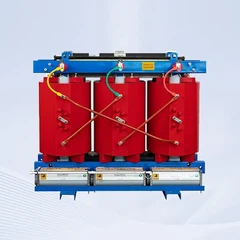
One of the key products in our portfolio is the SC(B)H15 Amorphous Alloy Dry Type Transformer. This dry - type transformer offers several advantages, including better environmental adaptability and reduced fire risks. It is widely used in various industries, such as commercial buildings, industrial plants, and renewable energy projects.
Fault Detection in Amorphous Core Transformers
Temperature Monitoring
Temperature is a critical parameter in transformer operation. In Amorphous Core Transformers, temperature monitoring is an essential part of fault detection. The amorphous alloy core has a relatively low heat generation rate due to its low core losses. However, abnormal temperature rises can still indicate potential faults, such as overloading, short - circuits, or problems with the cooling system.
We use advanced temperature sensors to continuously monitor the temperature of the transformer windings and core. These sensors can detect even small temperature changes, allowing for early detection of faults. For example, if the temperature of the windings exceeds a certain threshold, it could be a sign of a short - circuit or excessive current flow.
Dissolved Gas Analysis (DGA)
DGA is a well - established method for detecting faults in transformers. In Amorphous Core Transformers, the same principle applies. When a fault occurs, such as partial discharges or overheating, certain gases are produced in the transformer oil (in oil - filled transformers) or in the insulation materials (in dry - type transformers).
By analyzing the composition and concentration of these gases, we can identify the type and severity of the fault. For instance, the presence of hydrogen and methane may indicate partial discharges, while the presence of carbon monoxide and carbon dioxide may suggest overheating of the insulation.
Vibration Analysis
Vibration analysis is another important technique for fault detection in Amorphous Core Transformers. The normal operation of a transformer produces a certain level of vibration. However, abnormal vibrations can be a sign of mechanical problems, such as loose parts, misalignment, or bearing wear.
We use vibration sensors to measure the vibration levels of the transformer. By analyzing the frequency and amplitude of the vibrations, we can detect potential faults at an early stage. For example, a sudden increase in vibration amplitude may indicate a loose winding or a problem with the core clamping.
Comparison with Other Transformers
Traditional Silicon Steel Core Transformers
Traditional silicon steel core transformers have been widely used for many years. In terms of fault detection, they share some similarities with Amorphous Core Transformers, such as temperature monitoring and DGA. However, there are also some differences.
Silicon steel core transformers generally have higher core losses compared to Amorphous Core Transformers. This means that they generate more heat during normal operation, which can make it more difficult to detect abnormal temperature rises. Additionally, the magnetic properties of silicon steel are different from those of amorphous alloy, which may affect the performance of fault detection methods such as DGA.
Oil - Immersed Transformers
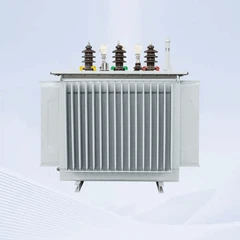
Oil - immersed transformers are commonly used in high - voltage applications. They have a large amount of insulating oil, which can act as a coolant and an insulating medium. Fault detection in oil - immersed transformers often relies heavily on DGA.
Amorphous Core Transformers, especially dry - type ones like the SC(B)H15 Amorphous Alloy Dry Type Transformer, do not use oil as an insulating medium. This eliminates the risk of oil leakage and fire associated with oil - immersed transformers. However, it also means that fault detection methods need to be adjusted accordingly.
For example, instead of relying on DGA of the oil, we focus more on temperature and vibration monitoring in dry - type Amorphous Core Transformers.


Advantages of Fault Detection in Amorphous Core Transformers
Energy - Efficiency and Early Fault Detection
The low core losses of Amorphous Core Transformers not only make them more energy - efficient but also facilitate early fault detection. Since the normal heat generation is low, any abnormal temperature rise is more easily detectable. This allows for timely maintenance and repair, reducing the risk of major failures.
Environmental Friendliness
As a supplier of Amorphous Alloy Transformers, we are committed to environmental protection. Amorphous Core Transformers, especially dry - type ones, have a lower environmental impact compared to oil - immersed transformers. Fault detection in these transformers helps to ensure their long - term operation without causing environmental pollution.
Conclusion
In conclusion, the fault detection of Amorphous Core Transformers has its own unique features and advantages compared to other transformers. Through advanced temperature monitoring, DGA, and vibration analysis, we can effectively detect faults at an early stage, ensuring the reliable operation of the transformers.
If you are interested in our Amorphous Core Transformers or have any questions about fault detection and maintenance, please feel free to contact us for procurement and further discussions. We are dedicated to providing high - quality products and professional services to meet your needs.
References
- "Transformer Engineering: Design, Technology, and Diagnostics" by G. K. Dubey
- "Power Transformer Monitoring and Diagnosis" by E. Muljadi and M. A. S. Masoum
Send Inquiry