





What is the difference between a dry - type and oil - immersed power transformer?
Apr 17, 2026
Leave a message
Hey there! As a power transformer supplier, I often get asked about the differences between dry - type and oil - immersed power transformers. So, I thought I'd break it down for you in this blog post.
Let's start with the basics. Power transformers are crucial in the electrical power system. They're used to transfer electrical energy between circuits through electromagnetic induction. And when it comes to choosing between dry - type and oil - immersed transformers, there are several factors to consider.
Construction and Cooling
First off, let's talk about how they're built and cooled.
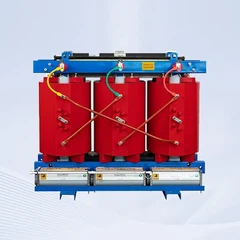
Dry - type transformers, as the name suggests, don't use any liquid for cooling. The windings are typically made of copper or aluminum and are enclosed in a sealed container. They're cooled by air, either through natural convection or forced air circulation. This makes them a great option for indoor use, especially in places where there's a risk of fire or explosion, like hospitals, schools, and commercial buildings.
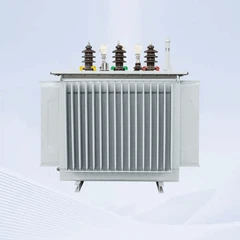
On the other hand, oil - immersed transformers use oil as a coolant and insulator. The windings are submerged in a tank filled with special insulating oil. The oil helps to transfer heat away from the windings and also provides electrical insulation. These transformers are usually used outdoors because of the potential fire hazard associated with the oil. If you're interested in oil - immersed transformers, you can check out our S11 Double - winding Fully Sealed Oil - immersed Power Transformer or 10kV Oil Immersed Power Transformers.
Safety
Safety is a big deal when it comes to power transformers.
- Dry - type transformers are generally considered safer in environments where there's a high risk of fire. Since they don't use oil, there's no risk of oil leaks or fires caused by the oil. They also produce less noise compared to oil - immersed transformers, which can be a plus in noise - sensitive areas.
- Oil - immersed transformers, however, have a higher fire risk due to the flammable oil. But modern oil - immersed transformers are designed with safety features like explosion - proof tanks and fire - suppression systems to minimize this risk.
Efficiency
Efficiency is another important factor.
- Dry - type transformers are known for their high efficiency, especially at partial loads. They have lower losses compared to oil - immersed transformers, which means they use less energy and can save you money in the long run. However, their efficiency can drop at full load.
- Oil - immersed transformers are more efficient at full load. The oil helps to dissipate heat more effectively, which allows the transformer to operate at a higher capacity without overheating. Our S11 Series 6kV - 35kV Power Transformer is a great example of an efficient oil - immersed transformer.
Cost
Cost is always a consideration when buying a power transformer.
- Dry - type transformers are generally more expensive upfront. The materials used in their construction, like the special insulation, are more costly. But they require less maintenance and have a longer lifespan, which can offset the initial cost.
- Oil - immersed transformers are cheaper to buy initially. But they require regular maintenance, including oil testing and replacement, which can add up over time.


Environmental Impact
In today's world, environmental impact is a major concern.
- Dry - type transformers are more environmentally friendly. They don't use any oil, so there's no risk of oil spills or pollution. They also have a lower carbon footprint because they're more energy - efficient.
- Oil - immersed transformers can have a negative environmental impact if the oil leaks or is not properly disposed of. However, the industry is working on developing more environmentally friendly oils and better disposal methods.
Applications
The choice between dry - type and oil - immersed transformers also depends on the application.
- Dry - type transformers are commonly used in indoor applications, such as commercial buildings, hospitals, and data centers. They're also used in areas where there's a limited space, like subway stations and high - rise buildings.
- Oil - immersed transformers are mainly used in outdoor applications, such as power substations and industrial plants. They're also suitable for high - voltage and high - power applications.
Maintenance
Maintenance is an important aspect of owning a power transformer.
- Dry - type transformers require less maintenance. You mainly need to keep them clean and check the insulation regularly. There's no need for oil changes or other complex maintenance tasks.
- Oil - immersed transformers need more maintenance. You have to test the oil regularly to check for contaminants and moisture. You also need to replace the oil every few years.
So, there you have it! The main differences between dry - type and oil - immersed power transformers. As a power transformer supplier, I can help you choose the right transformer for your needs. Whether you're looking for a dry - type transformer for an indoor application or an oil - immersed transformer for an outdoor project, we've got you covered.
If you're interested in purchasing a power transformer, feel free to reach out to us for a quote and to discuss your specific requirements. We're here to make sure you get the best transformer for your situation.
References
- Electrical Power Systems: Principles and Applications by Allan R. Hefner
- Handbook of Transformer Engineering: Design and Practice by Syed A. Nasar
Send Inquiry